Cafans Journal
Stories & FindsThe Complete CSSBuy Spreadsheet Guide for English-Speaking Buyers
The CSSBuy spreadsheet has become one of the most talked-about tools in the English-speaking replica and agent-shopping community. Whether you are a first-time agent user or a seasoned veteran of the CSSBuy shopping guide, understanding how the spreadsheet works can save you time, money, and a lot of guesswork. This guide walks you through what the CSSBuy spreadsheet is, how to use it alongside CSSBuy product links, and how to build a reliable CSSBuy spreadsheet guide workflow of your own.
What Is the CSSBuy Spreadsheet?
At its core, the CSSBuy spreadsheet is a community-maintained directory of product links organized into rows and columns. Instead of scrolling through endless chat messages or random social posts, buyers open the spreadsheet, browse categories, and click directly into CSSBuy product links that other users have already tested. Think of it as a shared wishlist with quality notes attached. The main cssbuy spreadsheet aggregates finds across footwear, outerwear, accessories, and more, and it is usually updated by contributors who add new finds, price ranges, and seller information.
Because the spreadsheet is decentralized, quality varies. Some tabs are meticulously maintained; others go stale. That is why pairing the sheet with a solid CSSBuy guide matters. The sheet tells you what exists; the guide tells you how to buy it safely through the agent.
Why Buyers Rely on the Sheet
The biggest advantage is discovery. Search algorithms on marketplaces are noisy, and finding a specific batch, colorway, or size range can take hours. The cssbuy spreadsheet guide community has done that labor for you. Additional benefits include:
- Price transparency — rows often list approximate costs so you can budget before committing.
- Seller tracking — repeated finds from the same store help you judge reliability.
- Batch notes — contributors sometimes flag known flaws or updated versions.
- Cross-referencing — you can compare the same item across multiple CSSBuy product links before ordering.
A good CSSBuy shopping guide will remind you that the spreadsheet is a starting point, not a guarantee. Always verify the live listing, check current stock, and read recent buyer feedback before you pay.
How to Read the Main CSSBuy Spreadsheet
Open the main cssbuy spreadsheet and you will typically see a tab bar at the bottom. Each tab covers a category: sneakers, hoodies, jackets, bags, jewelry, electronics accessories, and so on. Columns usually include an item name, a photo thumbnail, the price in local currency, a link, and sometimes a remarks column for sizing tips or batch notes.
When scanning rows, look for:
- Last-updated dates — newer rows are more likely to have working links.
- Duplicate entries — if the same item appears three times, it is probably popular and worth a closer look.
- Dead links — report or skip them; they clutter the sheet for everyone.
- Size charts — many contributors paste measurement notes directly into the sheet.
If you are following a CSSBuy spreadsheet guide on a forum, check whether the author references the same tabs you are viewing. Sheet structures change, and older tutorials may point to renamed or removed tabs.
Using CSSBuy Product Links Correctly
Clicking a link in the sheet opens the original marketplace listing. From there, the standard agent flow applies: copy the URL, paste it into the CSSBuy search or order box, select variant and size, and submit. This is where a practical CSSBuy shopping guide earns its keep. Key steps:
- Confirm the variant matches what the sheet described, especially color and batch.
- Check the seller's recent reviews and dispatch speed.
- Note the weight estimate so shipping quotes are not a surprise.
- Ask the agent to request QC photos if you are unsure about quality.
CSSBuy product links from the spreadsheet are convenience pointers, not endorsements. If a link breaks, search the item name manually — most sellers relist frequently.
Building Your Own CSSBuy Spreadsheet Guide Workflow
Experienced buyers rarely rely on a single sheet. They build a personal system: a shortlist tab, a QC-photo folder, and a notes column tracking order dates and shipping status. Combine that with the community cssbuy spreadsheet for fresh finds and a trusted CSSBuy guide for process rules. Over time, your personal sheet becomes more valuable than any public one because it reflects your sizes, budget, and taste.
Practical habits that help:
- Save the spreadsheet link and bookmark frequently used tabs.
- Verify links weekly if you are planning a haul.
- Cross-check prices against at least two listings.
- Keep screenshots of item pages in case listings change after ordering.
Common Mistakes to Avoid
New buyers often treat the sheet as a storefront. It is not. Prices fluctuate, sellers vanish, and batches change without notice. Another frequent error is ignoring shipping weight — a cheap item with heavy packaging can erase your savings. Finally, do not skip the agent's QC step; the CSSBuy shopping guide exists largely because pre-shipment inspection prevents disappointment.
Final Thoughts
The cssbuy spreadsheet is a powerful discovery tool when used with realistic expectations. Pair it with a reliable CSSBuy guide, verify CSSBuy product links before ordering, and follow a disciplined CSSBuy shopping guide routine. Whether you are browsing the main cssbuy spreadsheet for inspiration or refining your own CSSBuy spreadsheet guide, the formula is simple: discover in the sheet, verify on the listing, and confirm through the agent. Do that consistently and your hauls will be smoother, cheaper, and far less stressful.
Editor's selection
Popular Products
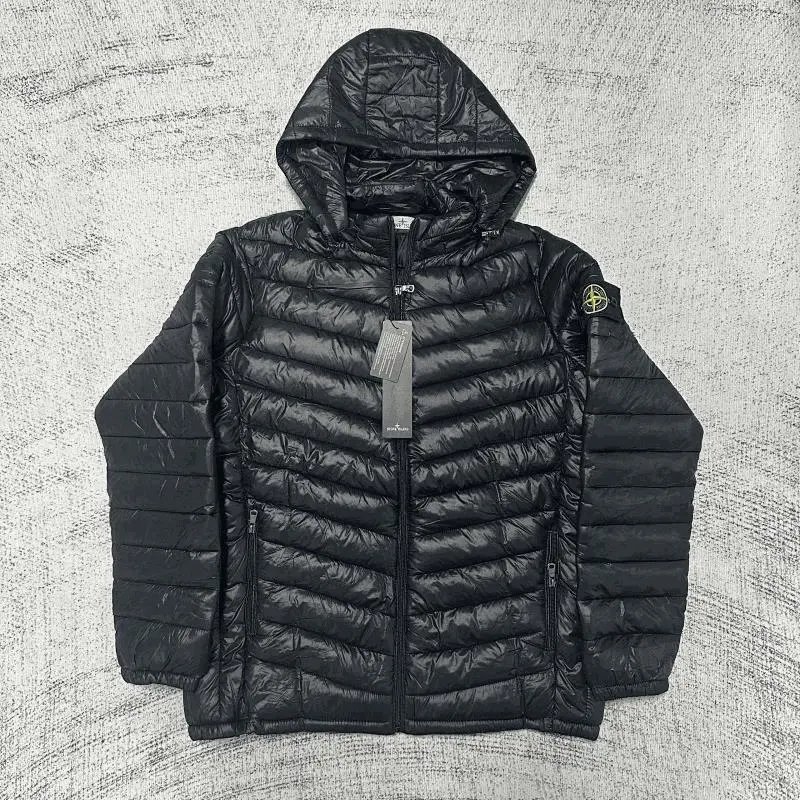
Outdoor Casual Sneakers | Hipobuy spreadsheet | OOTDBuy spreadsheet | JoyaGoo spreadsheet - 141223
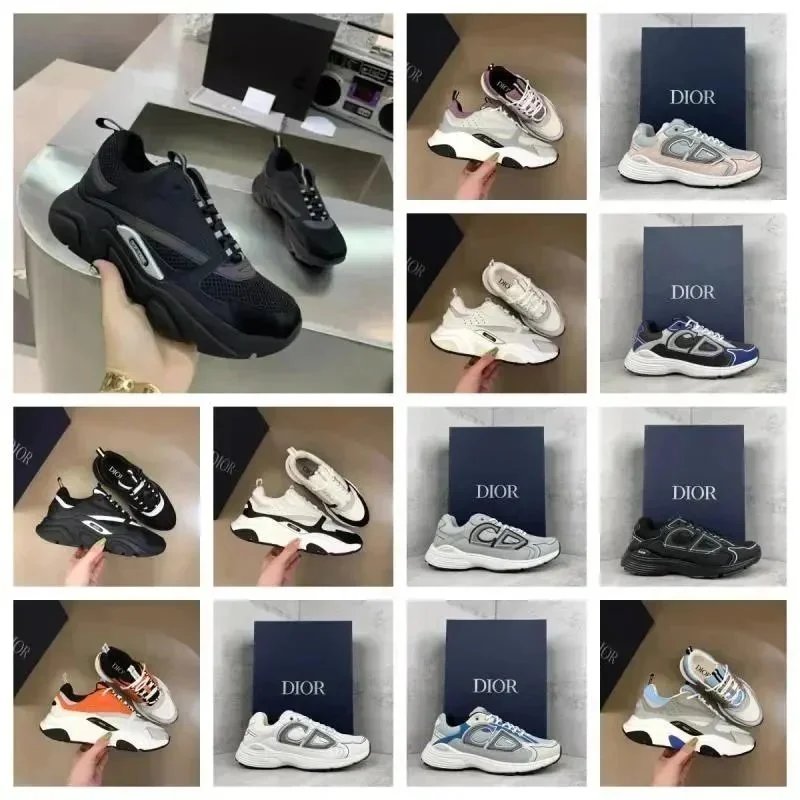
Sneakers B22 B30 Unisex Classic Sneakers | UIDBuy spreadsheet | BBDBuy spreadsheet - 135717
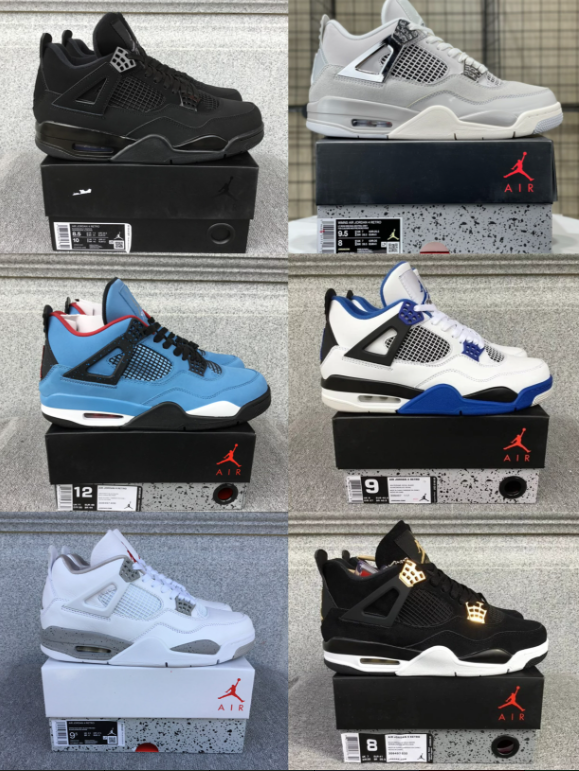
Sneakers 04 Classic Sneakers | LoongBuy spreadsheet | JoyaGoo spreadsheet | USFans spreadsheet - 135678
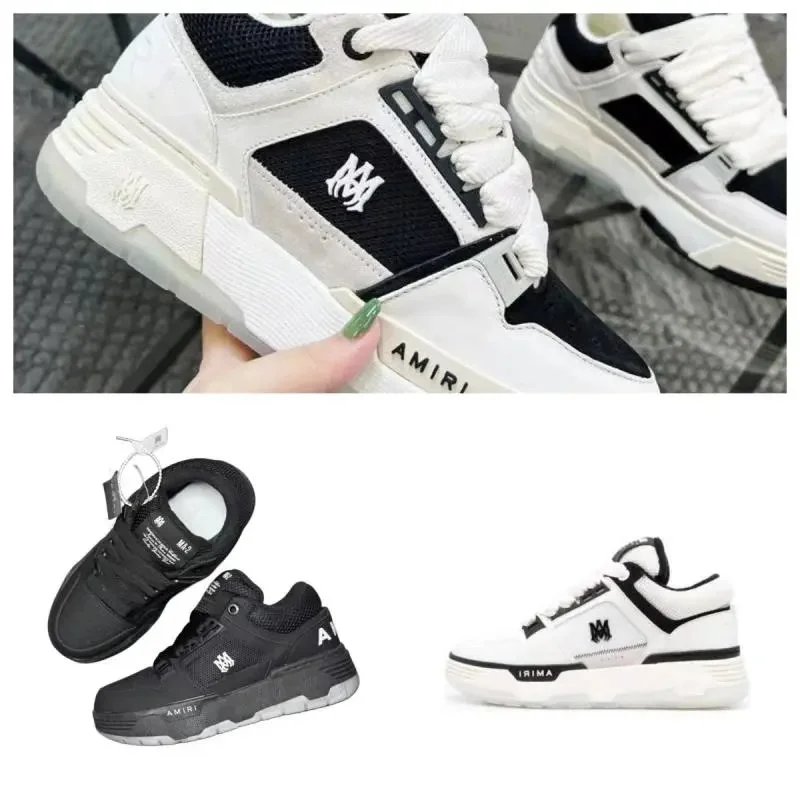
Sneakers P-0100 Unisex Sneakers | Kakobuy spreadsheet | BBDBuy spreadsheet | MyCNBox spreadsheet - 136114

Graphic Hoodies and Sweatpants Collection LH25 Unisex | Oopbuy spreadsheet | Hipobuy spreadsheet - 140989

Sneakers 2025 Skate Sneakers | MyCNBox spreadsheet | iTaoBuy spreadsheet | USFans spreadsheet - 135965
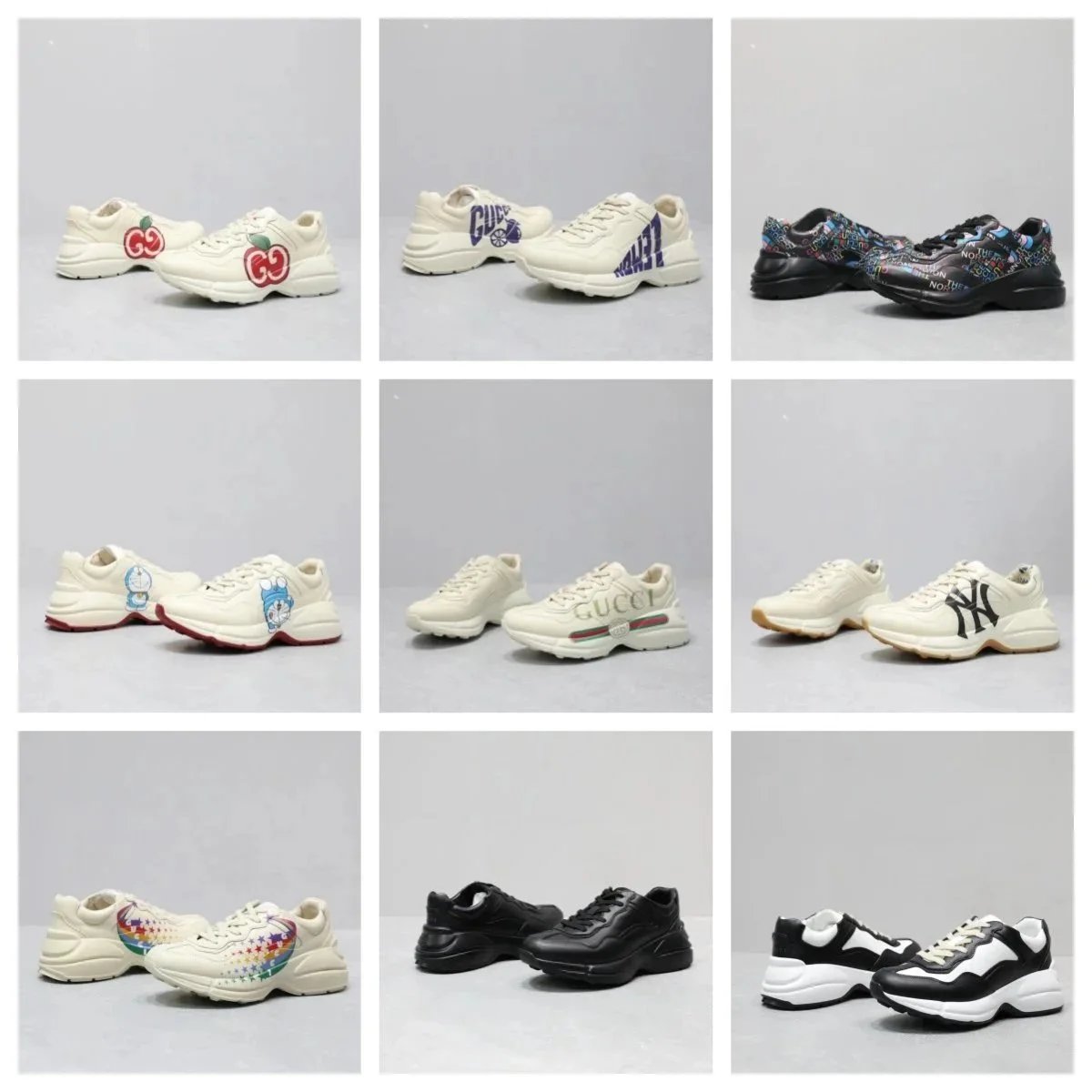
Sneakers BY03-CY Unisex Chunky Sneakers | Wheebuy spreadsheet | Lovegobuy spreadsheet - 141219