Cafans Journal
Stories & FindsThe Complete CAFANS Guide: Mastering the lovegobuy Spreadsheet for Smarter Shopping
The Complete CAFANS Guide: Mastering the lovegobuy Spreadsheet for Smarter Shopping
If you have spent any time exploring the world of overseas shopping agents, you have probably come across the term CAFANS. This guide explains what CAFANS means in practice, and shows you how to combine it with the lovegobuy spreadsheet to plan purchases, compare prices, and organize product links efficiently. Whether you are a first-time buyer or an experienced haul builder, the workflow described here will help you shop with more confidence and less guesswork.
What Is CAFANS?
CAFANS is a shorthand used by the shopping community to describe the core steps of a successful agent purchase: Collect, Assess, Filter, Assemble, Navigate, and Submit. It is not a brand or a platform; it is a practical framework. Each stage maps neatly onto tools that agents provide, and the lovegobuy spreadsheet is the natural home for the first four stages.
- Collect – gather product links from sellers, social media, and community recommendations.
- Assess – check item details, sizing charts, seller ratings, and return policies.
- Filter – remove duplicates, out-of-stock items, and listings that do not meet your budget.
- Assemble – group items into a single order or haul.
- Navigate – move through the agent's ordering interface and confirm options.
- Submit – place the order request and track progress.
This lovegobuy guide focuses on the Collect, Assess, Filter, and Assemble stages, because that is where most mistakes and wasted money occur.
Why Use a Spreadsheet at All?
A spreadsheet turns a chaotic list of bookmarks into a structured shopping plan. With the lovegobuy spreadsheet, you get columns for item name, seller, price, size, color, weight, and status. That structure helps you:
- Compare identical items from different sellers side by side.
- Estimate total weight and shipping cost before committing.
- Avoid ordering the same item twice.
- Track which lovegobuy product links have been verified and which are still pending.
Many shoppers treat the spreadsheet as a simple wish list. In reality, it is a planning document that directly affects your final shipping bill.
Setting Up Your lovegobuy Spreadsheet
Start with a clean template. A typical lovegobuy spreadsheet guide recommends the following columns:
- Item ID – a short code you assign yourself.
- Product name – copy the seller's title exactly.
- Category – shoes, hoodies, accessories, bags, and so on.
- Seller / store – helps you spot repeat sellers.
- Price – in the seller's currency.
- Size and color – record the exact variant you want.
- Estimated weight – critical for shipping estimates.
- Link status – verified, dead, or needs review.
- Notes – quality checks, seller communication, and questions.
Keep the layout consistent. A messy spreadsheet is almost as bad as no spreadsheet at all.
Collecting lovegobuy Product Links
The Collect stage is where most people overload themselves. Save lovegobuy product links as you find them, but add a status label immediately. Links that you have not opened or verified should be marked as pending. Verified links should include the price, variant, and a screenshot reference if possible. This habit prevents the common problem of returning to a spreadsheet weeks later and having no idea why a link was saved.
Assessing Items Before You Commit
Assessment is the most overlooked part of the CAFANS workflow. Before adding anything to your cart, check:
- Seller rating and transaction history.
- Real customer photos, not just listing images.
- Size charts measured in centimeters, not generic letters.
- Whether the item is in stock in your chosen variant.
- Return and exchange terms.
Record the results in the notes column. If an item fails assessment, mark it clearly rather than deleting it; you may want to revisit it later when the seller restocks.
Filtering and Assembling Your Haul
Filtering is where the lovegobuy shopping guide saves the most money. Group items by weight and category. Heavy items such as shoes and jackets should be balanced against light accessories so that your parcel does not become unnecessarily expensive. Use conditional formatting to highlight items over your budget, and sort by estimated weight to see which items are driving your shipping estimate.
When assembling, aim for a coherent haul rather than a random collection. A focused order is easier to inspect, easier to ship, and easier to review later.
Navigating the Order Interface
Once your spreadsheet is clean, the Navigate stage becomes straightforward. Open each verified lovegobuy product link, select the exact variant recorded in your sheet, and confirm the price has not changed. If a price has changed, update the spreadsheet before submitting. This small discipline prevents surprises at checkout.
Submitting and Tracking
Submit your order requests in small batches so that you can track each one. Mark the corresponding row in your spreadsheet as ordered, and record the order number. When items arrive at the warehouse, update the status to received and note the actual weight. Your spreadsheet gradually becomes a reliable record of real weights, which improves future shipping estimates.
Common Mistakes to Avoid
- Saving links without prices or variants.
- Ignoring weight estimates until the warehouse stage.
- Mixing currencies without a conversion column.
- Deleting failed items instead of archiving them.
- Submitting large orders without a final review pass.
Final Thoughts
The CAFANS framework and the lovegobuy spreadsheet work together because both are about structure. Collect deliberately, assess honestly, filter ruthlessly, assemble logically, navigate carefully, and submit in manageable batches. Follow this lovegobuy spreadsheet guide consistently, and your shopping will become faster, cheaper, and far less stressful.
Editor's selection
Popular Products
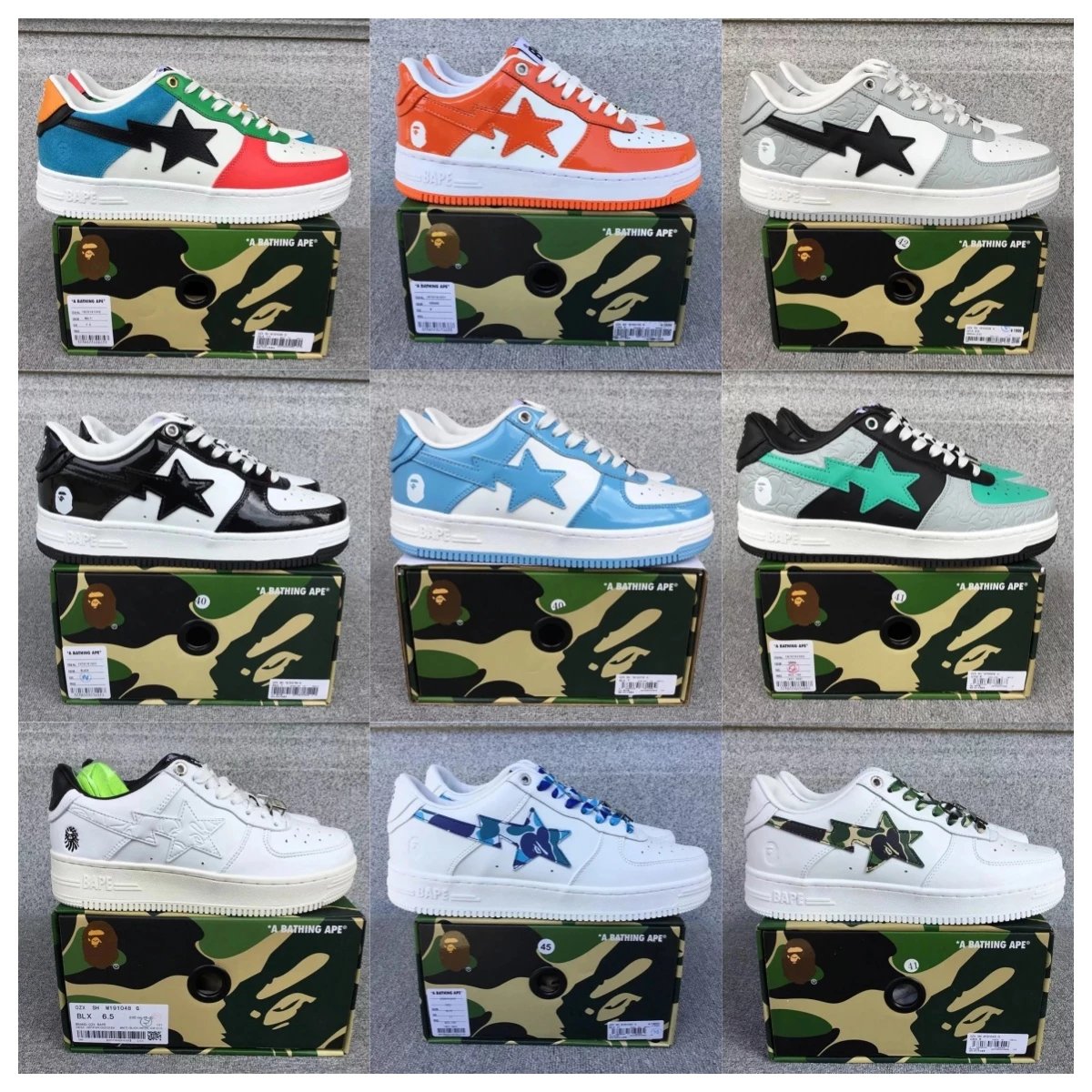
Skate Shoes SQ-002 | LoongBuy spreadsheet | Superbuy spreadsheet | Sugargoo spreadsheet - 141122
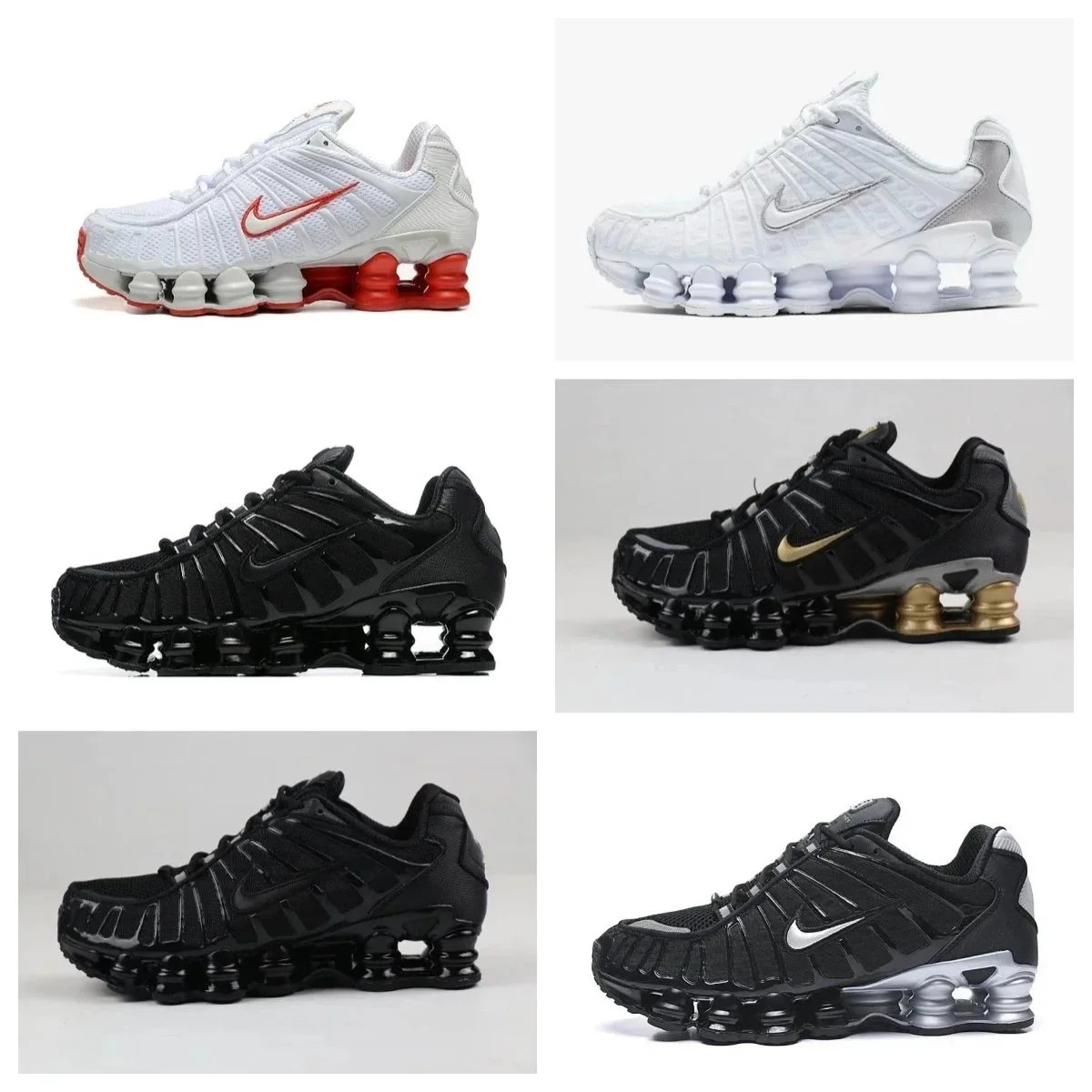
Casual Shoes | Oopbuy spreadsheet | MyCNBox spreadsheet | Sugargoo spreadsheet - 135681

Platform Casual Shoes | Hubbuycn spreadsheet | Fansbuy spreadsheet - 135441

Shoes XW21 Casual Shoes | Litbuy spreadsheet | CNShopper spreadsheet | JoyaGoo spreadsheet - 136147

Shoes Ph076 Breathable Running Shoes | CSSBuy spreadsheet | LoongBuy spreadsheet - 136150
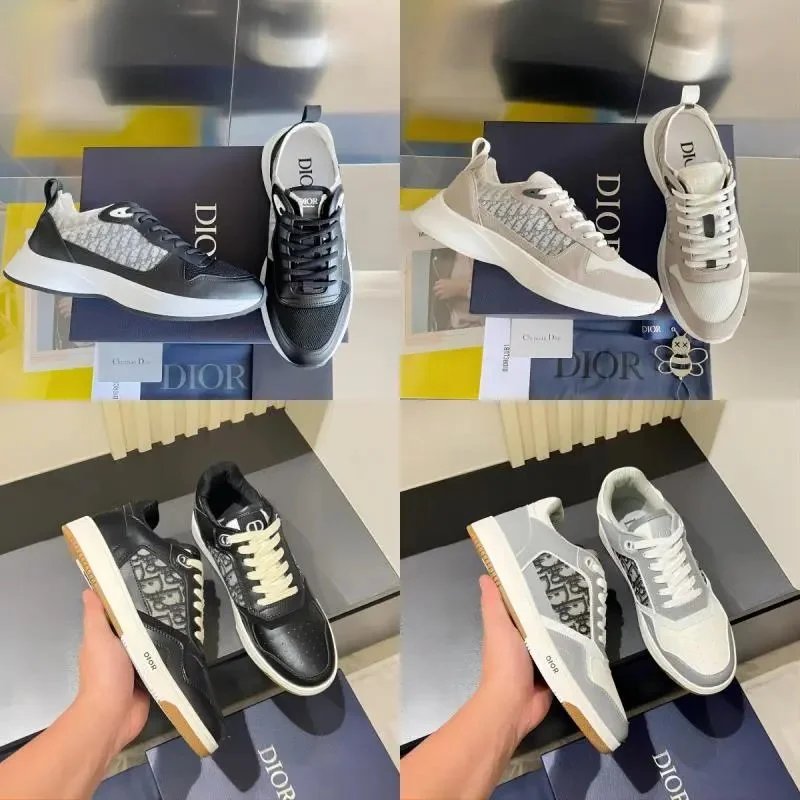
PH Running Shoes | MyCNBox spreadsheet | Hubbuycn spreadsheet - 136149
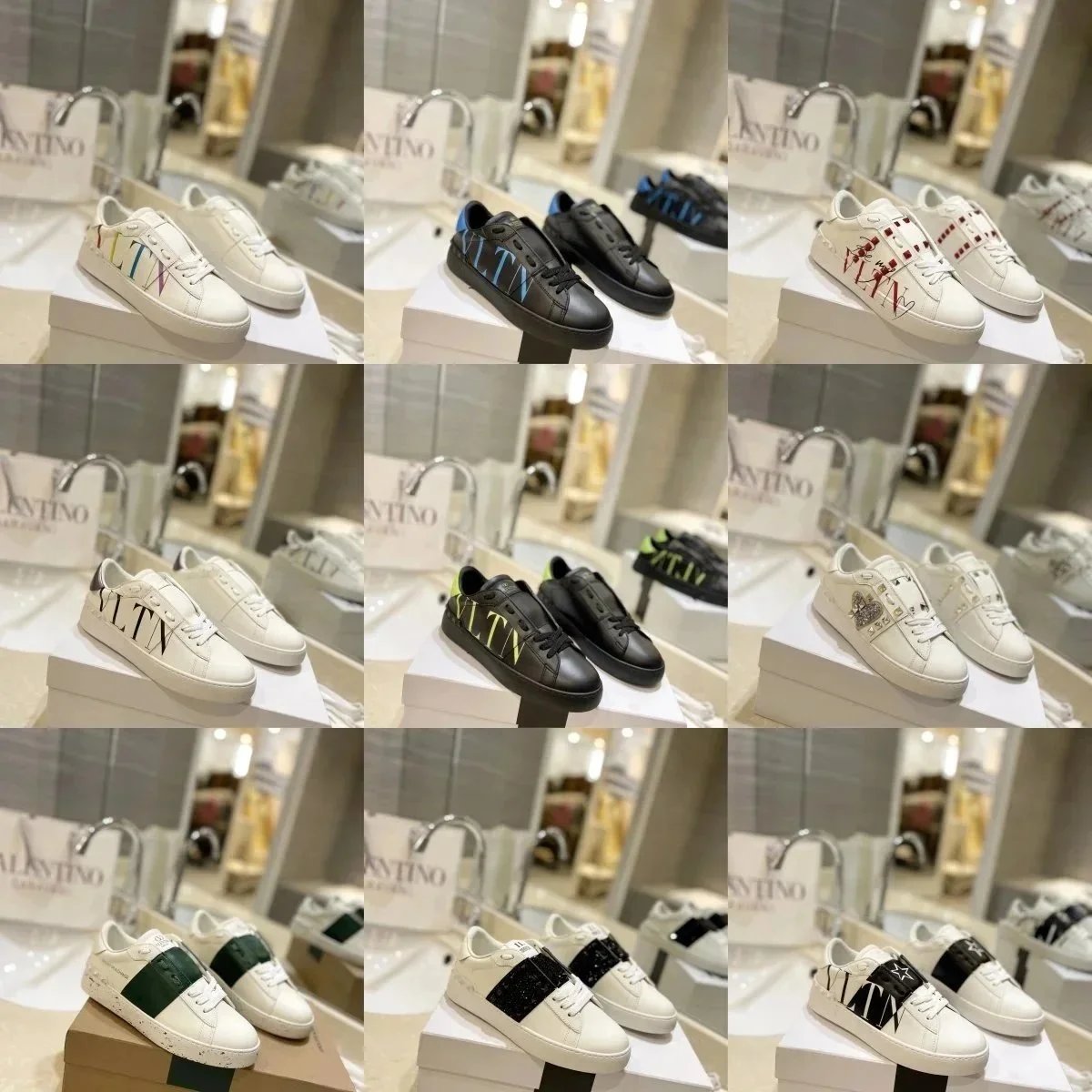
Shoes 006-RS Classic Casual Shoes | Oopbuy spreadsheet | Kakobuy spreadsheet | Lovegobuy spreadsheet - 136148
