Cafans Journal
Stories & FindsCAFANS Guide: Using the Superbuy Spreadsheet for Smarter Shopping
The CAFANS guide is a practical walkthrough for shoppers who want to get more from the superbuy spreadsheet. Whether you are new to agent-based shopping or refining an existing workflow, a well-maintained spreadsheet turns a messy list of finds into an organized, trackable shopping plan. This guide covers setup, structure, product links, QC checks, shipping decisions, and the habits that keep your sheet useful over time.
What the Superbuy Spreadsheet Actually Does
A superbuy spreadsheet is simply a structured record of everything you plan to buy, have ordered, or are storing in a warehouse. Instead of juggling browser bookmarks, chat screenshots, and notes, you keep one master file. The spreadsheet becomes your single source of truth for item names, seller details, sizes, colors, prices, order status, and shipping weight. For anyone following a superbuy guide, this is the backbone of an efficient haul.
Most users start with a simple template: columns for the item name, a superbuy product link, category, size, color, unit price, quantity, order date, order number, warehouse status, QC result, and estimated weight. You can add columns for agent notes, refund status, or shipping line preferences. The goal is not complexity — it is consistency. A sheet you actually update beats an elaborate one you abandon.
Building Your First Sheet
Follow this superbuy shopping guide sequence when setting up:
- Create one tab per haul. Name tabs by season, theme, or month so old hauls stay archived.
- Paste links as plain text. Keep the full superbuy product link in its own column so you can reopen the listing when a question arises.
- Record the seller and variant. Sizes, colors, and models are where most order errors happen.
- Log the quoted price and the actual paid price. Domestic shipping and service fees often shift the total.
- Add a status column. Use simple values like Planned, Ordered, Warehouse, Shipped, and Received.
This superbuy spreadsheet guide approach keeps the sheet readable at a glance. Color-code the status column, freeze the header row, and use filters so you can isolate items awaiting QC or waiting for consolidation.
Organizing Product Links and Categories
Product links are the most valuable data in the file. When you collect finds from social media, forums, or search, paste the link immediately and add a short descriptor. A row that says only “item 1” is useless three weeks later; a row that says “oversized hoodie — grey — size L — seller link” is actionable.
Group your rows by category so shipping estimates and QC priorities make sense. Typical categories in a superbuy spreadsheet include apparel, footwear, bags, accessories, electronics accessories, home goods, stationery, and seasonal items. Category grouping also helps when you build a parcel: you can quickly see whether a consolidation is mostly light clothing or bulky homeware.
QC Photos, Warehouse Status, and Notes
Quality control is where the spreadsheet earns its keep. When warehouse photos arrive, mark the QC result as pass, review, or return. Add a note about any flaw, measurement concern, or missing accessory. If you request an exchange, log the date and the agent response. This habit prevents duplicate orders and makes returns far easier to track.
Use a notes column for agent communication summaries. A short line like “seller confirmed shipped, tracking added” is enough. Avoid pasting long chat logs into cells; keep the sheet scannable and archive details elsewhere if needed.
Estimating Weight and Planning Shipping
A good sheet includes estimated weight per item and a running total. Even rough numbers help you decide whether to split a haul or wait for more items. Add columns for parcel number, shipping line, declared value, and tracking number once you ship. When a parcel arrives, update the status and note the actual weight versus the estimate. Over a few hauls, these notes make your future estimates noticeably more accurate.
Common Mistakes to Avoid
New users often treat the spreadsheet as a wishlist rather than a working document. Update it when you order, not just when you browse. Do not rely on memory for sizes or variants. Keep backups — export a copy monthly in case a shared file is edited by mistake. And avoid mixing active orders with long-received items; archive completed hauls so the current sheet stays focused.
Making the Sheet Work Long-Term
The best superbuy spreadsheet evolves with your habits. Start simple, add columns only when you feel a recurring need, and review the sheet before every order. Used consistently, it reduces duplicate purchases, speeds up consolidation, and gives you a clear record for budgeting. Treat the superbuy guide above as a starting framework, then adapt the fields to fit how you actually shop. With disciplined link collection, clear status tracking, and honest QC notes, your spreadsheet becomes less of a chore and more of a reliable shopping assistant.
Editor's selection
Popular Products

Ph076 Breathable Running Shoes - CSSBuy spreadsheet - 136150

Men's Casual Shoes - CSSBuy spreadsheet - 135435

Casual Shoes - Kakobuy spreadsheet - 136046
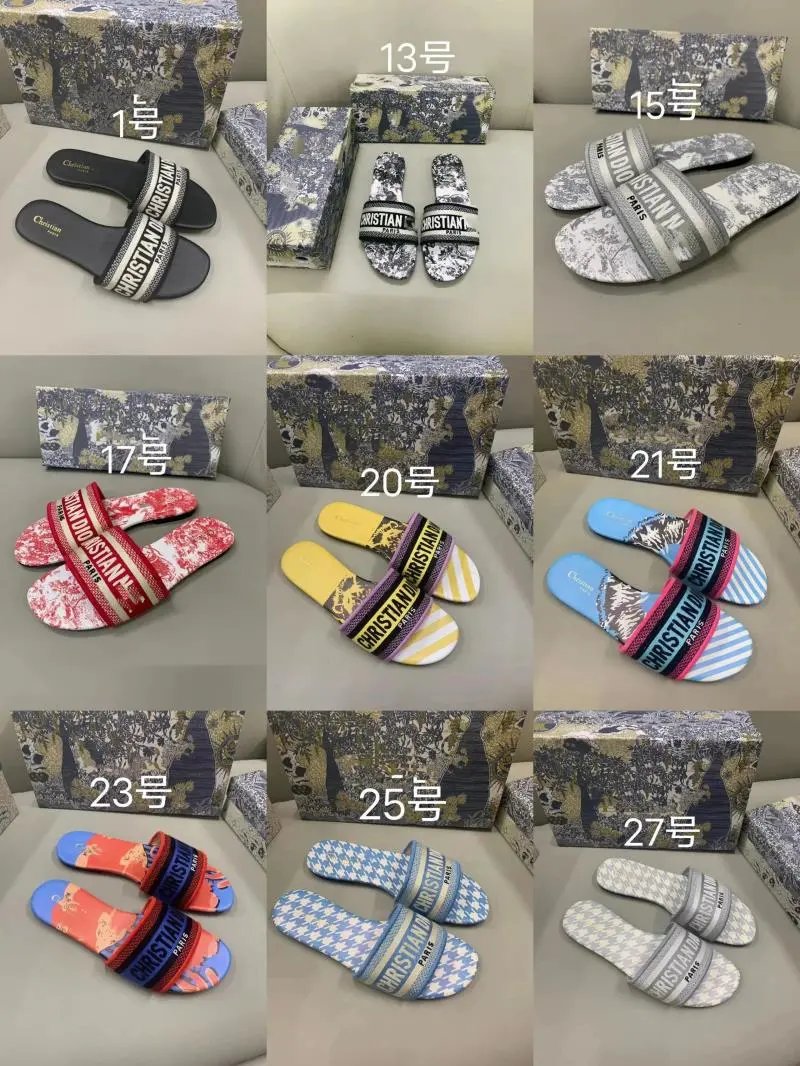
DS Slippers - Wheebuy spreadsheet - 135724

FDD Vintage Pattern Crossbody Bag Set with Large and Small Bags - Kakobuy spreadsheet - 137152

Accessories - UIDBuy spreadsheet - 140922

OMG Unisex Wallets, Passport Holders and Crossbody Bags Collection YHH36 - Lovegobuy spreadsheet - 140796
