Cafans Journal
Stories & FindsCAFANS Guide: Using the CSSBuy Spreadsheet for Smarter Shopping
What Is the CAFANS Guide and Why the CSSBuy Spreadsheet Matters
The CAFANS approach is a practical way for newcomers and experienced agents alike to organize a shopping run from start to finish. At the center of this English CAFANS guide sits one tool that saves the most time and money: the cssbuy spreadsheet. A well-maintained spreadsheet turns scattered product pages into a clean, sortable list with prices, weights, sizes, and links, so you can plan a haul before you spend a cent.
This article explains how to use the cssbuy spreadsheet, how it fits into a wider cssbuy guide, and how to combine it with cssbuy product links and a solid cssbuy shopping guide. Everything below is written for English-speaking buyers who want a repeatable process rather than guesswork.
Getting Started: The Basic CSSBuy Guide
Before you open a spreadsheet, understand the shopping flow. A standard cssbuy guide covers four stages: discovery (finding items), verification (checking the seller, size chart, and stock), ordering (submitting the product link to the agent), and shipping (choosing a freight line and consolidating parcels inside the warehouse).
The cssbuy spreadsheet supports every stage. During discovery you paste candidate items into rows. During verification you add columns for QC notes, size charts, and seller ratings. During ordering you track order numbers and payment status. During shipping you record weights and estimated freight so you can compare shipping lines before committing.
Keep the sheet simple at first. A good starter template uses columns for item name, category, product link, seller, unit price, quantity, size or color, QC status, and shipping weight. As you grow more comfortable, add helper columns for currency conversion, budget caps, and discount codes.
Building Your CSSBuy Spreadsheet: Step by Step
1. Choose Your Platform
Google Sheets, Excel, or any cloud spreadsheet works. The advantage of a cloud sheet is that you can update it from your phone while browsing. Name the file clearly, for example “Haul 2025 – Summer,” and create a tab for each shopping session so past orders stay archived.
2. Set Up Headers and Data Validation
Use frozen header rows so labels stay visible while scrolling. Add dropdown lists for categories (apparel, footwear, bags, accessories, electronics, home goods) and for QC status (pending, approved, rejected). Data validation prevents typos and makes filtering reliable.
3. Collect CSSBuy Product Links Properly
When you gather cssbuy product links, copy the full URL from the marketplace listing rather than a shortened share link. Paste it into the link column and use the hyperlink function so the item name stays readable. Add the seller name next to each link; if a seller disappears, you will know immediately which rows need a replacement source.
4. Track Prices, Weights, and Estimates
Enter the unit price in the original currency and let a formula convert it to your currency. Add a weight column with an estimated value, then update it with actual warehouse weights after the item arrives. Multiplying weight by the freight rate per kilogram gives a realistic landed cost, which is the number that actually matters for budgeting.
5. Mark QC Results and Decisions
After warehouse photos arrive, record the outcome. Use a simple approved or rejected flag and a short note about flaws. This creates a history you can review before your next order, helping you avoid sellers with recurring quality problems.
How the CSSBuy Spreadsheet Guide Improves Your Shopping
A good cssbuy spreadsheet guide is really a decision-making framework. The sheet lets you compare similar items side by side, spot duplicate purchases, and see whether a cheaper listing actually saves money once weight and shipping are included.
It also protects your budget. Set a target total in a summary cell and use conditional formatting to highlight rows that push you over the limit. Many buyers discover that removing two heavy items and one duplicate accessory cuts freight costs significantly. The spreadsheet makes that trade-off visible before checkout.
Finally, the sheet becomes a reference library. Saved links, size notes, and QC comments from past hauls turn into a personal cssbuy shopping guide that gets more useful with every order.
Practical Tips for English-Speaking Buyers
- Standardize sizes: record measurements in centimeters and keep a size-chart column so you can compare across sellers.
- Group by category: filter rows by apparel, footwear, or bags to plan consolidation and reduce parcel volume.
- Note shipping restrictions: mark items such as liquids, batteries, or magnets that may be limited on certain freight lines.
- Keep a rejected-items tab: store links to items you decided against, with a one-line reason, so you do not revisit them.
- Back up regularly: export a copy after each order in case a link or seller page changes.
Common Mistakes to Avoid
The most frequent error is treating the sheet as a wish list instead of a working document. Update it at every stage: when you submit an order, when QC photos arrive, and when the parcel ships. Another mistake is ignoring weight until the end; weight drives freight cost, so estimate it early. Finally, avoid pasting broken or redirect links. Verify that each cssbuy product link opens the exact item, size, and color you intend to buy.
Conclusion
A well-built cssbuy spreadsheet converts chaotic browsing into a clear, budget-aware plan. Use this English CAFANS guide as your checklist: set up clean columns, collect verified cssbuy product links, log QC results honestly, and review your history before each new haul. Combined with a disciplined cssbuy guide and an honest cssbuy shopping guide, the cssbuy spreadsheet guide becomes the single most valuable tool in your shopping workflow.
Editor's selection
Popular Products

Ph076 Breathable Running Shoes - CSSBuy spreadsheet - 136150

Men's Casual Shoes - CSSBuy spreadsheet - 135435

Casual Shoes - Kakobuy spreadsheet - 136046
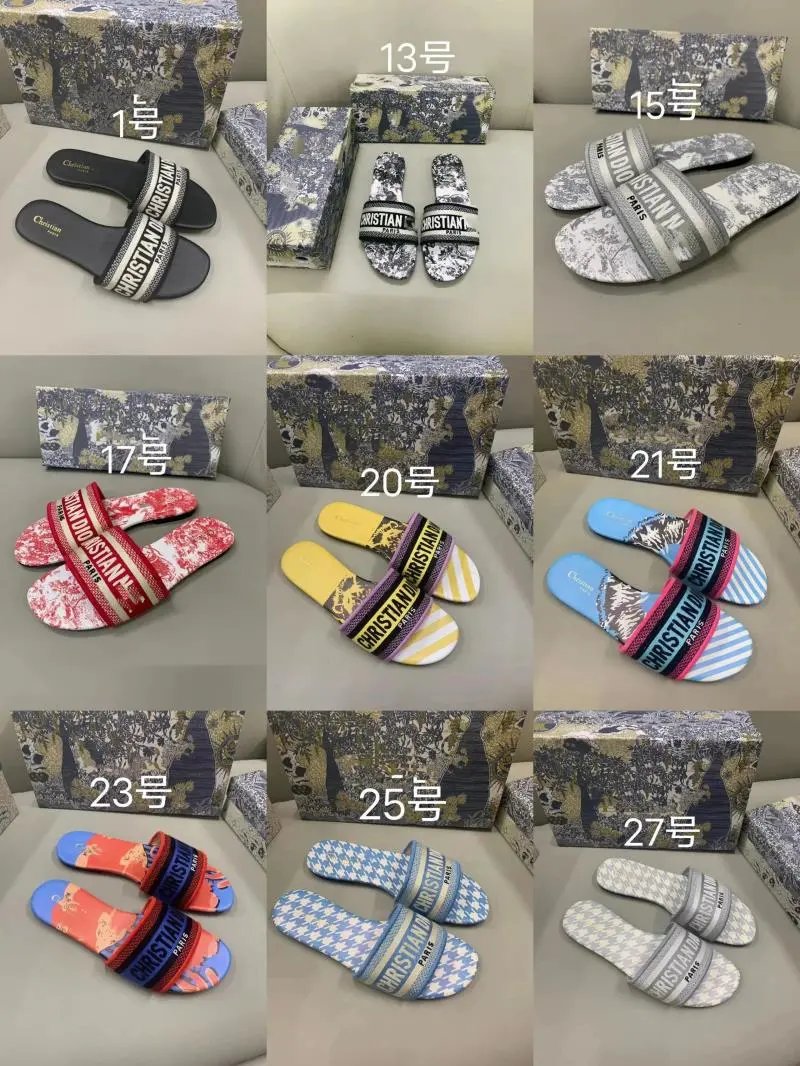
DS Slippers - Wheebuy spreadsheet - 135724

TF25 Digital Electronics - UIDBuy spreadsheet - 141140

FDD Vintage Pattern Crossbody Bag Set with Large and Small Bags - Kakobuy spreadsheet - 137152

Accessories - UIDBuy spreadsheet - 140922
