Cafans Journal
Stories & FindsThe English CAFANS Guide: Navigating LoongBuy for Smarter Shopping
If you have spent any time browsing Chinese e-commerce marketplaces, you have probably run into the term CAFANS. In the English-speaking shopping community, CAFANS is shorthand for the ecosystem of agents, spreadsheets, and community tools that help overseas buyers purchase from platforms like Taobao, Weidian, and 1688. This guide walks you through how the whole system fits together, with LoongBuy as our main reference point, and explains how to use a LoongBuy spreadsheet, a LoongBuy guide, LoongBuy product links, and a solid LoongBuy shopping guide to get the most out of every order.
What Does CAFANS Actually Mean?
CAFANS is best understood as a workflow rather than a single website. It describes the combination of a shopping agent, a product database, QC photo services, shipping consolidation, and community-maintained spreadsheets. Beginners often confuse CAFANS with one specific tool, but the reality is broader: it is the entire process of finding items, checking quality, and shipping them internationally at a reasonable cost.
The core components usually include a shopping agent, a warehouse for consolidation, a rehearsal or packing estimate, an inspection service, and a tracking system. Once you understand these building blocks, the vocabulary around CAFANS becomes much less intimidating.
Why LoongBuy Matters for English Buyers
LoongBuy has become a popular entry point because it combines a clean interface with practical features: product search, order management, warehouse consolidation, and detailed QC photos. For English-speaking users, the biggest advantage is clarity. Instead of juggling multiple translation tools, you can follow a structured LoongBuy guide and move from discovery to checkout without guesswork.
A good LoongBuy shopping guide should cover four stages: sourcing, ordering, quality control, and shipping. Sourcing means finding the right product listing. Ordering means placing the request through the agent. Quality control means reviewing inspection photos before approving shipment. Shipping means choosing a line, paying for consolidation, and tracking the parcel to your door.
How to Use a LoongBuy Spreadsheet
The LoongBuy spreadsheet is where most experienced buyers start. Community spreadsheets collect verified product links, seller ratings, size charts, and price history in one place. Instead of scrolling through endless marketplace pages, you can filter by category, budget, or seller reputation.
When reading a spreadsheet, pay attention to the batch number, the seller rating, and any notes about sizing or flaws. Cross-check the item against the original listing before ordering, because links can expire or sellers can change specifications. Treat the spreadsheet as a research tool, not a guarantee.
Finding Reliable LoongBuy Product Links
LoongBuy product links are the bridge between discovery and purchase. A link should point to the exact variant you want, including color, size, and model. If a spreadsheet lists a generic link, open it and confirm the options manually. Save the correct URL in your order notes so the agent purchases the right item.
Be cautious with shortened links or redirects. Always verify that the final destination matches the platform and seller shown in the spreadsheet. A few seconds of checking can prevent a frustrating return or exchange later.
Step-by-Step LoongBuy Guide for First Orders
- Create an account and complete your profile, including your shipping address.
- Search or paste a link for the item you want, then select the correct variant.
- Submit the order request and pay the domestic price plus the agent service fee.
- Wait for the seller to ship to the warehouse, then review the QC photos.
- Approve or request a return based on the inspection results.
- Submit a parcel, choose a shipping line, and pay for international freight.
- Track the parcel and confirm delivery.
Following this sequence makes the process predictable. Most problems arise when buyers skip the QC step or choose a shipping line without checking restrictions.
Common Terms You Will Encounter
As you explore the CAFANS ecosystem, you will see recurring vocabulary: agent, warehouse, consolidation, rehearsal, inspection, QC photos, batch, seller rating, variant, listing, order request, service fee, domestic shipping, international line, customs, declaration, tracking number, parcel, return, exchange, refund, coupon, haul, review, size chart, weight estimate, packing, and insurance. Learning these terms makes spreadsheets and community posts far easier to read.
Tips for a Smooth LoongBuy Shopping Guide Experience
First, always request QC photos for higher-value items. Second, use rehearsal packing when your haul includes bulky goods, because it gives a more accurate freight estimate. Third, compare at least two shipping lines before paying. Fourth, keep your order notes detailed. Fifth, track your spending in a simple budget sheet so service fees and freight do not surprise you.
Finally, remember that a LoongBuy guide is only as good as the habits you build around it. Verify links, read seller reviews, and ask questions in community forums before committing to a large order.
Conclusion
CAFANS is not a mystery once you break it into sourcing, ordering, inspection, and shipping. With LoongBuy as your main platform, a curated LoongBuy spreadsheet for research, verified LoongBuy product links for accuracy, and a disciplined LoongBuy shopping guide for execution, English-speaking buyers can shop Chinese marketplaces with confidence. Start small, learn the vocabulary, and scale up as your experience grows.
Editor's selection
Popular Products

Skate Shoes SQ-002 - LoongBuy spreadsheet - 141122
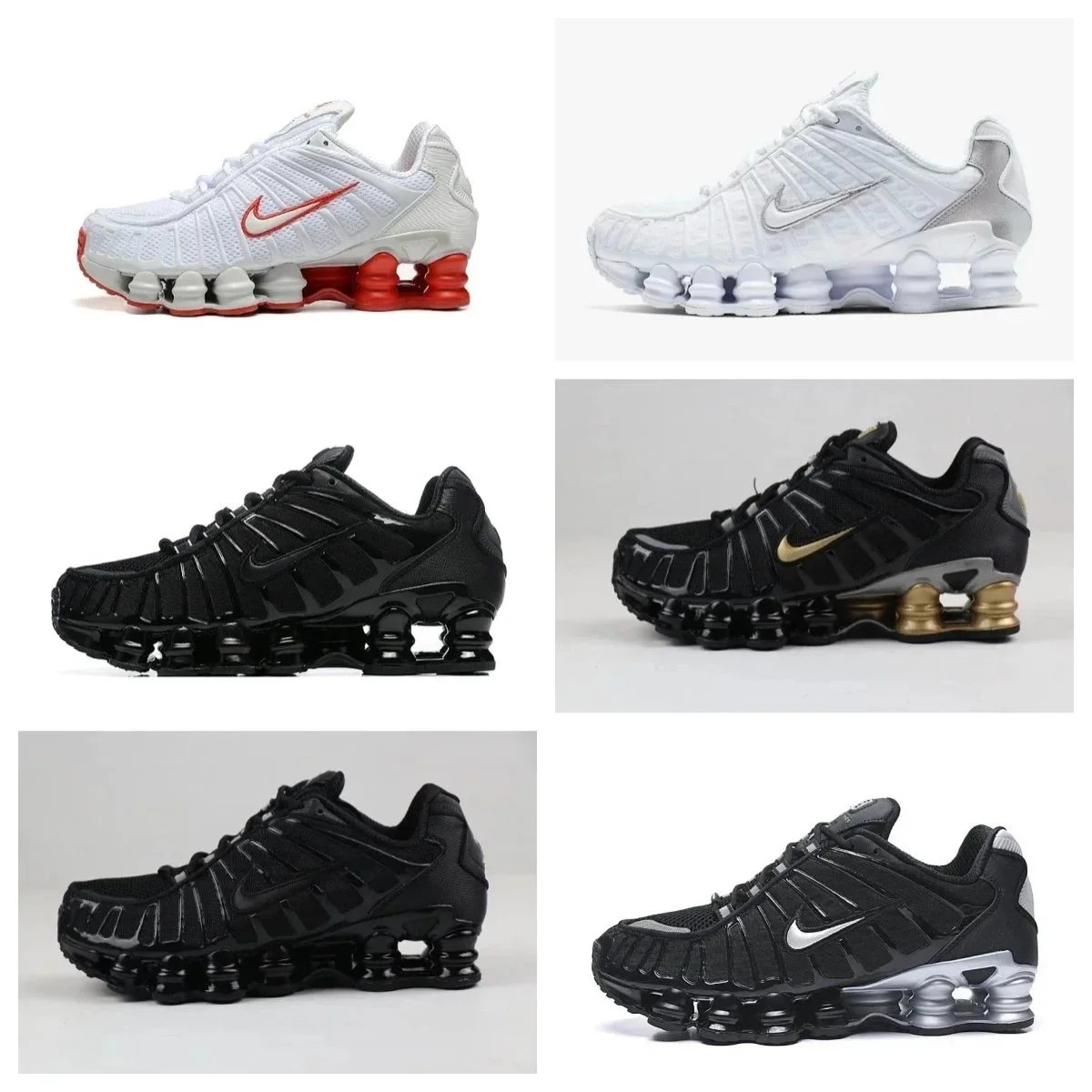
Casual Shoes - Oopbuy spreadsheet - 135681

Platform Casual Shoes - Hubbuycn spreadsheet - 135441

XW21 Casual Shoes - Litbuy spreadsheet - 136147

Ph076 Breathable Running Shoes - CSSBuy spreadsheet - 136150

PH Running Shoes - MyCNBox spreadsheet - 136149

006-RS Classic Casual Shoes - Oopbuy spreadsheet - 136148