Cafans Journal
Stories & FindsEnglish CAFANS Guide: Your 1,000-Word GTBuy Shopping Companion
English CAFANS Guide: Navigating GTBuy with Confidence
Welcome to the English CAFANS guide — a practical, no-nonsense walkthrough for shoppers who want to get the most out of GTBuy. Whether you're a first-time buyer or a seasoned agent user, this guide covers the tools, terminology, and habits that make the experience smoother. Along the way, we'll touch on the GTBuy spreadsheet, the GTBuy guide ecosystem, reliable GTBuy product links, and a solid GTBuy shopping guide mindset.
What Is GTBuy?
GTBuy is an agent and forwarding platform that lets international shoppers purchase from Chinese marketplaces. You browse a catalog, submit a product link or item code, and the platform handles purchasing, warehousing, quality inspection, and international shipping. The appeal is simple: access to a huge range of goods, combined with consolidation — meaning multiple orders are packed into one parcel to reduce shipping costs.
Before you dive in, understand the basic vocabulary. "Agent" means the intermediary service. "Warehouse" is where your items land before export. "Consolidation" is combining parcels. "Rehearsal packing" is a paid preview of final weight and dimensions. "QC" (quality control) photos show your item as received. "Domestic shipping" is the cost from seller to warehouse. "Service fee" is the agent's commission. "Declared value" affects customs. Knowing these terms saves time and prevents surprises.
Start with the GTBuy Spreadsheet
The GTBuy spreadsheet is arguably the most valuable community resource. It's a shared database of item links, prices, seller ratings, QC notes, and sizing feedback. Because agents don't curate everything, the spreadsheet fills the gap with real user experience.
How to use it well: filter by category, sort by price, and always read the notes column for warnings about sizing, defects, or slow sellers. Cross-check links against the live catalog — a spreadsheet entry can go stale. Save a personal copy so your edits aren't overwritten. Treat the spreadsheet as research, not gospel; verify before you buy.
Reading GTBuy Product Links
GTBuy product links come in a few forms: marketplace URLs, item IDs, and agent-specific short links. When you paste a link into the agent's search bar, confirm the item title, color, size, and seller match what you expect. Watch for variant traps — a link may default to the cheapest option, which is often a sample or accessory rather than the main product.
Bookmark reliable links, keep a wishlist document, and note the date you saved each link. Prices and availability change quickly. If a link fails, search the item ID directly rather than assuming the product is gone.
The GTBuy Guide to Ordering
A good GTBuy guide boils down to a repeatable process:
- Research: Use the spreadsheet and community forums to shortlist items.
- Verify: Check seller rating, order history, and return policy.
- Order: Submit the link, choose variant, and confirm the service fee.
- Inspect: Review QC photos carefully; request extra photos if uncertain.
- Consolidate: Combine items, choose a shipping line, and decide on insurance.
- Declare: Set a reasonable declared value and understand your local customs rules.
- Track: Monitor the parcel and keep records until delivery.
Shopping Guide: Budget and Shipping
This GTBuy shopping guide section focuses on money. Always calculate the true landed cost: item price + domestic shipping + service fee + international shipping + possible customs duty. A cheap item with high domestic shipping can cost more than a slightly pricier alternative.
Shipping lines differ in speed, price, weight limits, and restricted items. Compare at least two options before paying. Consolidation is usually cheaper per kilogram, but heavier parcels attract more scrutiny. Rehearsal packing is worth it for bulky or irregular items. Buy insurance for high-value orders, and photograph unboxing for disputes.
Quality Control and Disputes
QC photos are your safety net. Check stitching, labels, measurements, and color accuracy. If something looks wrong, request additional angles before the warehouse ships. Keep screenshots of the listing, chat logs, and QC images. If a dispute arises, be polite, specific, and evidence-driven. Most agents respond faster to clear documentation than to emotional complaints.
Common Mistakes to Avoid
- Ignoring variant selection and receiving the wrong size.
- Under-declaring value and risking customs issues.
- Skipping QC review, then discovering defects after export.
- Using stale spreadsheet links without verification.
- Forgetting that service fees and domestic shipping add up.
- Consolidating restricted items with general goods.
- Not reading the shipping line's prohibited items list.
Final Checklist
Before you confirm payment: verify the seller, confirm the variant, check QC photos, compare shipping lines, estimate landed cost, set a sensible declared value, and save your order records. After delivery: inspect promptly, leave feedback, and update your spreadsheet notes so the community benefits.
With this English CAFANS guide, the GTBuy spreadsheet, careful use of product links, and a disciplined shopping guide approach, you can shop confidently and avoid the most common pitfalls. Happy shopping — and always verify before you buy.
Editor's selection
Popular Products

Skate Shoes SQ-002 | LoongBuy spreadsheet | Superbuy spreadsheet | Sugargoo spreadsheet - 141122
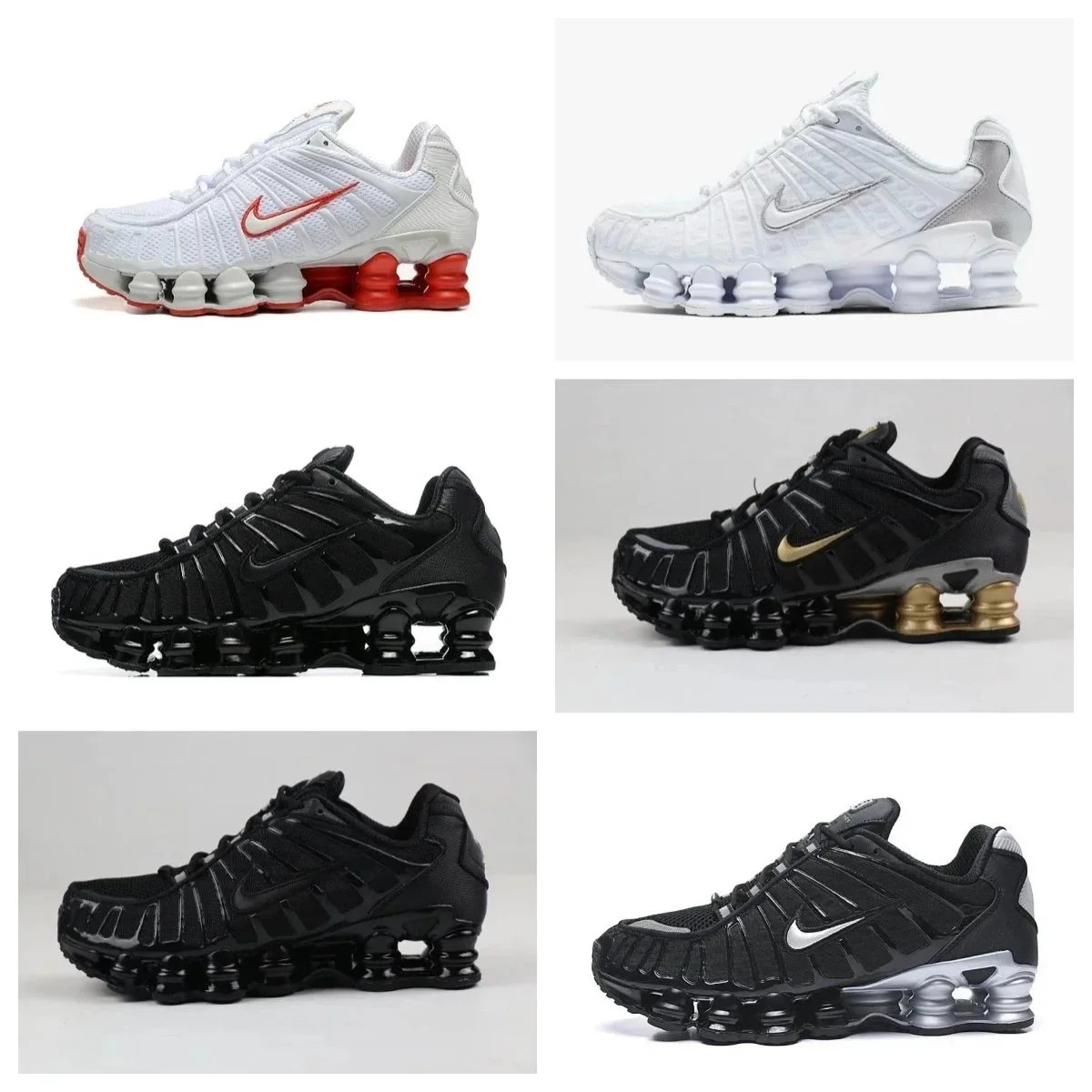
Casual Shoes | Oopbuy spreadsheet | MyCNBox spreadsheet | Sugargoo spreadsheet - 135681

Platform Casual Shoes | Hubbuycn spreadsheet | Fansbuy spreadsheet - 135441

Shoes XW21 Casual Shoes | Litbuy spreadsheet | CNShopper spreadsheet | JoyaGoo spreadsheet - 136147

Shoes Ph076 Breathable Running Shoes | CSSBuy spreadsheet | LoongBuy spreadsheet - 136150

PH Running Shoes | MyCNBox spreadsheet | Hubbuycn spreadsheet - 136149

Shoes 006-RS Classic Casual Shoes | Oopbuy spreadsheet | Kakobuy spreadsheet | Lovegobuy spreadsheet - 136148