Cafans Journal
Stories & FindsCAFANS Guide: How to Use the Sugargoo Spreadsheet for Smarter Shopping
The Sugargoo spreadsheet has become one of the most talked-about tools among international shoppers who buy from Chinese marketplaces. Whether you are new to the platform or already familiar with the Sugargoo guide basics, understanding how a CAFANS-style spreadsheet works can save you time, money, and a lot of guesswork. This CAFANS guide walks you through the essentials of the Sugargoo spreadsheet, how to read it, and how to turn it into a practical Sugargoo shopping guide for your own haul.
What Is the Sugargoo Spreadsheet?
A Sugargoo spreadsheet is a shared or curated list of product links, often organized by category, seller, or theme. Instead of searching dozens of marketplace pages one by one, shoppers use the spreadsheet to jump straight to items that other buyers have already found. It acts as a shortcut between discovery and checkout, and it is especially useful for people who want a structured Sugargoo shopping guide rather than random browsing.
The term CAFANS refers to the community-driven style of these lists: a spreadsheet maintained with care, updated regularly, and aimed at helping buyers compare options. A good Sugargoo spreadsheet guide should always remind you that the spreadsheet is a starting point, not a guarantee. Prices, stock, and seller ratings change, so verification is part of the process.
Why Shoppers Use a Sugargoo Spreadsheet Guide
There are several reasons the Sugargoo spreadsheet format is so popular:
- Efficiency: Product links are collected in one place, so you spend less time hunting.
- Curation: A reliable Sugargoo guide filters out broken or low-quality listings.
- Comparison: You can view multiple Sugargoo product links side by side before deciding.
- Community insight: Spreadsheets often include notes, sizes, or QC feedback.
- Organization: You can build your own haul list and track budgets.
Used well, the Sugargoo spreadsheet becomes a planning tool, not just a link dump.
How to Read the Sugargoo Spreadsheet
Most versions of the Sugargoo spreadsheet follow a similar structure. Typical columns include the item name, category, seller name, Sugargoo product links, price range, available sizes, and sometimes a QC rating or weight estimate. A strong Sugargoo spreadsheet guide will explain each column so beginners do not misinterpret the data.
Start by checking the category tab. If you are shopping for sneakers, jackets, or accessories, find the matching sheet first. Then open each product link and confirm the listing is still live. Pay attention to seller ratings and return policies. The spreadsheet is a map, but you still need to read the signs on the road.
Building Your Own Spreadsheet Workflow
One of the best habits from any Sugargoo guide is to create a personal copy of the spreadsheet. Duplicate the shared sheet, then add your own columns: desired size, color, budget, and priority. This turns a generic Sugargoo spreadsheet into a personalized shopping plan. When you paste Sugargoo product links into your copy, add a short note about why you saved it.
Keep a separate tab for price tracking. Marketplace prices fluctuate, and a Sugargoo spreadsheet guide that ignores timing misses a key point. If an item is out of stock, mark it and revisit later rather than deleting it.
Using Sugargoo Product Links Safely
Sugargoo product links are the core of the spreadsheet, but they require caution. Always open links through the official platform interface and avoid shortened URLs from unknown sources. A trustworthy Sugargoo shopping guide will tell you to verify the seller's history, read recent reviews, and check the return window before ordering.
Also be careful with personal data. Never share account credentials in spreadsheet comments or group chats. The best Sugargoo spreadsheet communities focus on product discovery, not account access.
Common Mistakes to Avoid
Even with a solid Sugargoo spreadsheet guide, shoppers make predictable errors. Here are the most common:
- Assuming every link is current.
- Ignoring size charts and relying on labels.
- Forgetting to factor in shipping weight.
- Buying from unrated sellers because the item looks good.
- Overloading a haul and losing track of costs.
Treat every row in the Sugargoo spreadsheet as a lead to investigate, not a finished purchase.
Getting the Most From the Sugargoo Shopping Guide
The Sugargoo shopping guide mindset is about process. Use the spreadsheet to shortlist, then verify on the platform. Compare at least two sellers for any expensive item. Track your spending in a separate column. When a haul arrives, note quality and fit in your personal sheet so future decisions improve.
Finally, keep your spreadsheet organized. Archive old tabs, update links, and share only verified findings with your group. A clean Sugargoo spreadsheet guide is easier to trust and easier to use.
Final Thoughts
The CAFANS approach to the Sugargoo spreadsheet is simple: curate carefully, verify constantly, and plan before you buy. Used alongside a practical Sugargoo guide, the spreadsheet saves time and reduces costly mistakes. Whether you are building a first haul or refining a seasoned workflow, the Sugargoo spreadsheet remains one of the most useful tools in the community shopping toolkit.
Editor's selection
Popular Products

Outdoor Casual Sneakers | Hipobuy spreadsheet | OOTDBuy spreadsheet | JoyaGoo spreadsheet - 141223

Sneakers B22 B30 Unisex Classic Sneakers | UIDBuy spreadsheet | BBDBuy spreadsheet - 135717

Sneakers 04 Classic Sneakers | LoongBuy spreadsheet | JoyaGoo spreadsheet | USFans spreadsheet - 135678

Sneakers P-0100 Unisex Sneakers | Kakobuy spreadsheet | BBDBuy spreadsheet | MyCNBox spreadsheet - 136114

Sneakers 2025 Skate Sneakers | MyCNBox spreadsheet | iTaoBuy spreadsheet | USFans spreadsheet - 135965

Sneakers BY03-CY Unisex Chunky Sneakers | Wheebuy spreadsheet | Lovegobuy spreadsheet - 141219
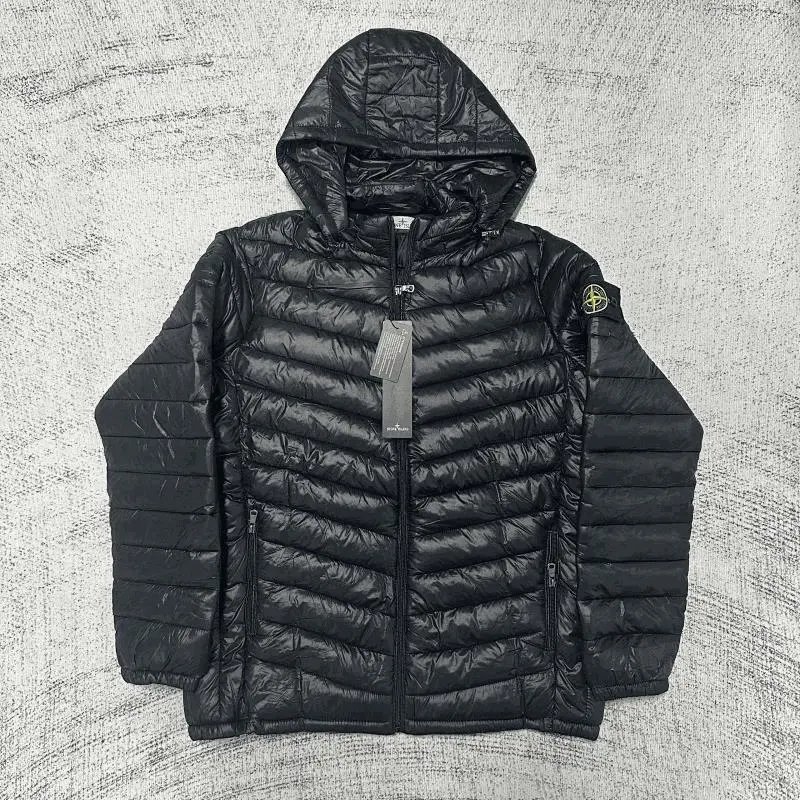
Winter Loose Down Jackets, Sweatshirts and Sweaters 003 | Sugargoo spreadsheet | CSSBuy spreadsheet - 141091