Cafans Journal
Stories & FindsThe CAFANS Guide to Spreadsheets: Organizing Shopping, Comparing Products, and Working with Agent Shopping Spreadsheets
What Is CAFANS and Why Does a Spreadsheet Matter?
CAFANS is a practical framework for running a disciplined shopping workflow, and the spreadsheet sits at its center. Whether you are buying one pair of shoes or coordinating a household's monthly restock, a well-built spreadsheet turns scattered notes, browser tabs, and chat messages into a single source of truth. This spreadsheet guide walks through the core ideas: how to build a shopping spreadsheet, how to run a product comparison spreadsheet, and how an agent shopping spreadsheet changes the game when someone else is sourcing goods on your behalf.
Build the Foundation: Your First Shopping Spreadsheet
A shopping spreadsheet is not just a list. It is a decision tool. Start with columns that answer five questions: What am I buying? Why do I need it? How much should it cost? Where am I buying it? When do I need it? Add a unique item ID, category, subcategory, unit price, quantity, shipping fee, tax, and a running total. Use data validation to create dropdowns for priority (high, medium, low) and status (researching, shortlisted, ordered, delivered, returned). Conditional formatting can highlight overdue items and flag anything above a budget threshold.
Keep one tab as a dashboard and separate tabs as data sources. A common structure is: Dashboard, Wishlist, Vendors, Comparison, Orders, Returns, and Notes. Freeze the header row, add filters, and use a named range for your budget so formulas stay readable. If you share the file, lock formula cells and leave input columns editable. This one habit—separating inputs from calculations—prevents most spreadsheet chaos.
Product Comparison Spreadsheet: Turning Specs into Decisions
The product comparison spreadsheet is where CAFANS earns its keep. Line up candidates as rows and attributes as columns: model, material, dimensions, weight, warranty, energy rating, compatibility, and review score. Normalize the data so numbers are comparable—convert everything to the same unit, the same currency, and the same warranty length. Then compute a weighted score: assign each criterion a weight that sums to 100%, rate each product from 1 to 5, and multiply. A simple SUMPRODUCT formula gives you a ranked shortlist instantly.
Keep the raw data on a data tab and the scoring on a comparison tab that references it. That way you can swap a candidate without breaking formulas. Add a price-history column so you can see whether a discount is genuine or just a raised list price. Use a comment column for subjective notes—feel, smell, build quality—because spec sheets never tell the whole story. When you are ready, link the winning row to your shopping spreadsheet by item ID and let the order tab pull the details automatically with VLOOKUP or INDEX/MATCH.
Agent Shopping Spreadsheet: Coordinating When Someone Else Buys
An agent shopping spreadsheet is a communication and control layer. If a purchasing agent, personal shopper, or overseas buyer is sourcing for you, the spreadsheet becomes the contract: what was requested, what was quoted, what was approved, and what shipped. Include columns for request date, agent name, vendor, quoted price, approved price, currency, exchange rate, commission, deposit, balance due, tracking number, and expected arrival.
Add a status pipeline (requested → quoted → approved → purchased → in transit → received → inspected) and a discrepancy log for items that arrived damaged, late, or different from the spec. A photo-reference column (hyperlink only, not embedded images) keeps files light. Share the sheet read-only with the agent and editable only in the columns they own. That single rule reduces miscommunication more than any messaging thread.
The Spreadsheet Guide: Rules That Keep CAFANS Working
Follow these principles in every tab. First, one row per item and one column per attribute—never merge cells in data tables. Second, keep a changelog tab with date, editor, and what changed. Third, back up weekly to a dated copy, and export a CSV snapshot before big edits. Fourth, name ranges clearly (Budget_Total, Status_List, Vendor_ID) and document formulas in a notes column. Fifth, use pivot tables instead of manual summaries; they refresh and never drift. Sixth, set a review cadence—weekly for active orders, monthly for budget reconciliation.
Common pitfalls: hard-coding numbers inside formulas, mixing currencies without an exchange-rate column, sorting only part of a table, and using text where numbers belong. If a total looks wrong, check for numbers stored as text and for hidden rows. A clean spreadsheet is boring in the best way—predictable, auditable, and fast.
Putting It All Together
The CAFANS workflow is a loop: capture needs in the shopping spreadsheet, evaluate options in the product comparison spreadsheet, execute through the agent shopping spreadsheet, and record outcomes so the next cycle is smarter. The spreadsheet is not paperwork—it is the memory of your purchasing decisions. Build it once, maintain it lightly, and every future purchase gets faster, cheaper, and less stressful.
Editor's selection
Popular Products

Shoes Ph076 Breathable Running Shoes | CSSBuy spreadsheet | LoongBuy spreadsheet - 136150

Men's Casual Shoes | CSSBuy spreadsheet | Kakobuy spreadsheet | Rizzitgo spreadsheet - 135435

Casual Shoes | Kakobuy spreadsheet | Hubbuycn spreadsheet | CNShopper spreadsheet - 136046
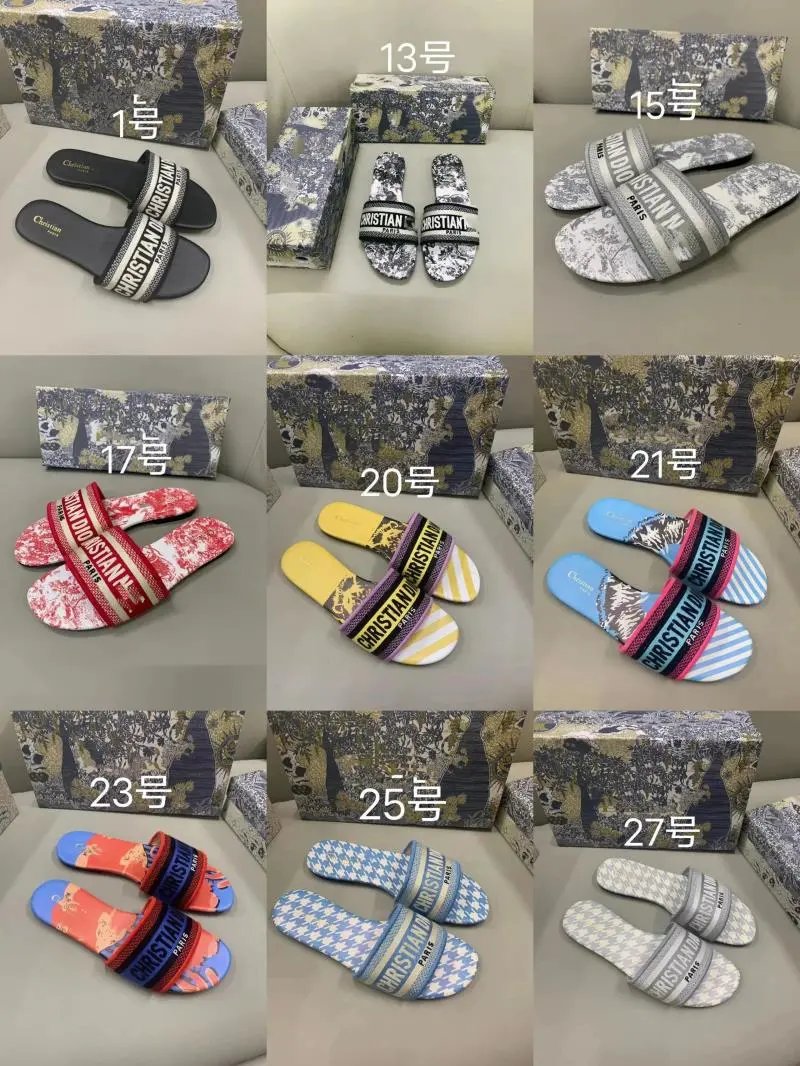
DS Slippers | Wheebuy spreadsheet | LoongBuy spreadsheet | Lovegobuy spreadsheet - 135724

Catalog Item TF25 Digital Electronics | UIDBuy spreadsheet | Fishgoo spreadsheet - 141140

Catalog Item LL55 Digital Electronics | Superbuy spreadsheet | Fishgoo spreadsheet - 138885

Headphones XB22 Headphones and Electronics Selection | LoongBuy spreadsheet | Hubbuycn spreadsheet - 136779