Cafans Journal
Stories & FindsParcel Up: The Complete English CAFANS Guide to Smarter Parcel Shopping
What Is Parcel Up and Why It Matters
Parcel Up is a parcel consolidation and forwarding service that helps online shoppers combine multiple purchases into a single shipment. For anyone buying from overseas marketplaces, the appeal is simple: fewer boxes, lower international shipping costs, and one tracking number instead of five. This CAFANS guide walks you through how Parcel Up works, how to build a Parcel Up spreadsheet, where to find reliable Parcel Up product links, and how to use a Parcel Up shopping guide to avoid common mistakes.
The service is popular with buyers who shop across several stores in one country. Instead of paying for separate international shipments, you ship each item to a consolidation warehouse, request a merge, and receive one parcel. Warehousing, inspection, repacking, and shipping options are the core features you should understand before your first order.
How Parcel Up Works Step by Step
1. Create an account and get your warehouse address
After registration, you receive a unique warehouse address and a member ID. Use this address at checkout on every store. Always include your member ID in the address fields so the warehouse can match incoming parcels to your account.
2. Shop and ship to the warehouse
Buy from local marketplaces, independent shops, or resale platforms. Each seller ships domestically to the warehouse. Keep every tracking number; this is where a Parcel Up spreadsheet becomes essential.
3. Submit parcels for consolidation
When items arrive, the warehouse logs them as received. You then select which parcels to merge. Repacking removes unnecessary boxes and filler, which reduces volumetric weight. Ask for photos or an inspection if the item is fragile or expensive.
4. Choose a shipping line and pay
Compare carriers by cost, speed, weight limits, and customs handling. Declare values honestly. Pay the international freight, and the consolidated parcel is dispatched.
5. Track and receive
Use the consolidated tracking number. Expect customs processing time in your destination country; keep invoices and order screenshots ready if inspection is required.
Build a Parcel Up Spreadsheet
A Parcel Up spreadsheet is the single most useful habit for consolidation shoppers. Create columns for: order date, store or seller, product name, variant, quantity, domestic tracking number, warehouse status (ordered, shipped, received, stored), declared value, weight, and notes. Add a second tab for the final consolidated shipment with carrier, tracking number, and freight cost.
Why bother? Because parcels arrive on different days, sellers split orders, and some items go out of stock. A spreadsheet lets you spot missing parcels before you pay for consolidation. It also gives you a cost-per-item figure, so you can decide whether a low-value item is worth shipping internationally. Update the sheet the moment you order, not later.
Finding Reliable Parcel Up Product Links
Parcel Up product links are the URLs of items you plan to buy and route to the warehouse. Save each link in your spreadsheet next to the order row. When browsing, copy the full product link, not a shortened share link, and record the variant (size, color, model). Product pages change or disappear, so also save a screenshot of the listing, price, and specifications.
Beware of links from social media posts with no seller history. Check reviews, return policy, and whether the seller ships within the expected time. For electronics, confirm voltage and plug type for your country. For clothing, check the size chart in centimeters rather than assuming local sizing.
Using a Parcel Up Shopping Guide
A good Parcel Up shopping guide covers four areas. First, restrictions: batteries, liquids, powders, magnets, and branded goods may be prohibited or limited on certain lines. Second, weights: compare actual versus volumetric weight, since bulky light items are charged by volume. Third, insurance: decide whether to add coverage for high-value goods. Fourth, timing: avoid shipping right before major holidays when warehouses and customs are congested.
Also plan for returns. Returning an item to a domestic seller from a consolidation warehouse is often cheaper than an international return, but it must happen before consolidation. Note return windows in your spreadsheet.
Common Mistakes to Avoid
- Forgetting the member ID in the warehouse address
- Mixing up domestic tracking numbers across sellers
- Consolidating too early and leaving late parcels behind
- Under-declaring value and risking customs delays
- Ignoring prohibited-item lists for the chosen shipping line
- Skipping repacking for bulky items
Cost-Saving Tips
Combine light and heavy items to balance weight. Remove shoe boxes and excess packaging. Compare at least three shipping lines. Buy in batches from the same seller to reduce domestic freight. Track price drops but keep an eye on storage deadlines; most warehouses charge after a free storage period.
Final Checklist
Before you consolidate: verify every parcel is marked received, confirm contents and quantities, approve repacking, check the final weight, review the declared value, and choose a carrier with tracking. After dispatch: save the tracking number, monitor customs status, and keep all invoices. With a Parcel Up spreadsheet, verified Parcel Up product links, and a disciplined Parcel Up shopping guide, Parcel Up turns a pile of small orders into one manageable, cost-effective shipment.
Editor's selection
Popular Products
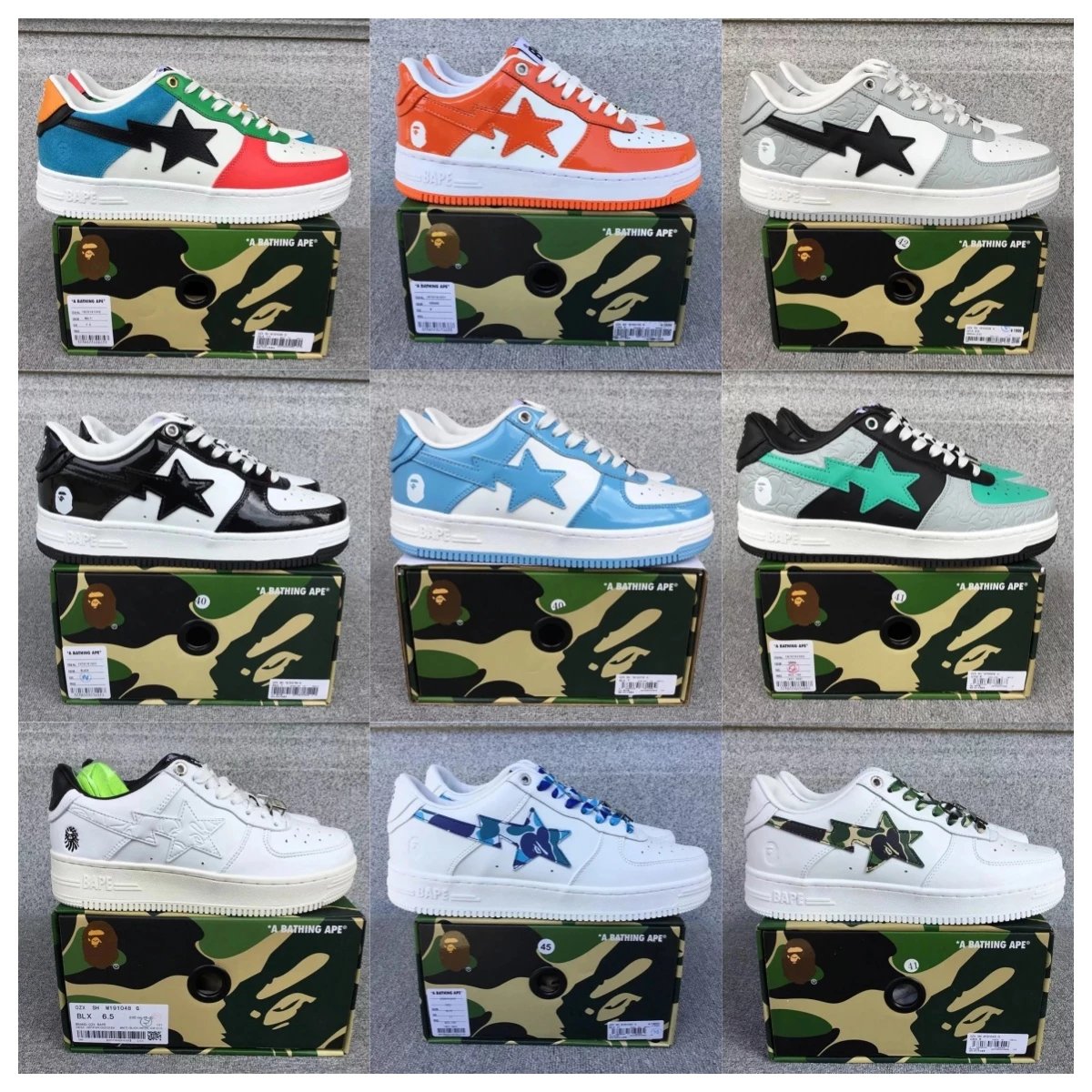
Skate Shoes SQ-002 | LoongBuy spreadsheet | Superbuy spreadsheet | Sugargoo spreadsheet - 141122
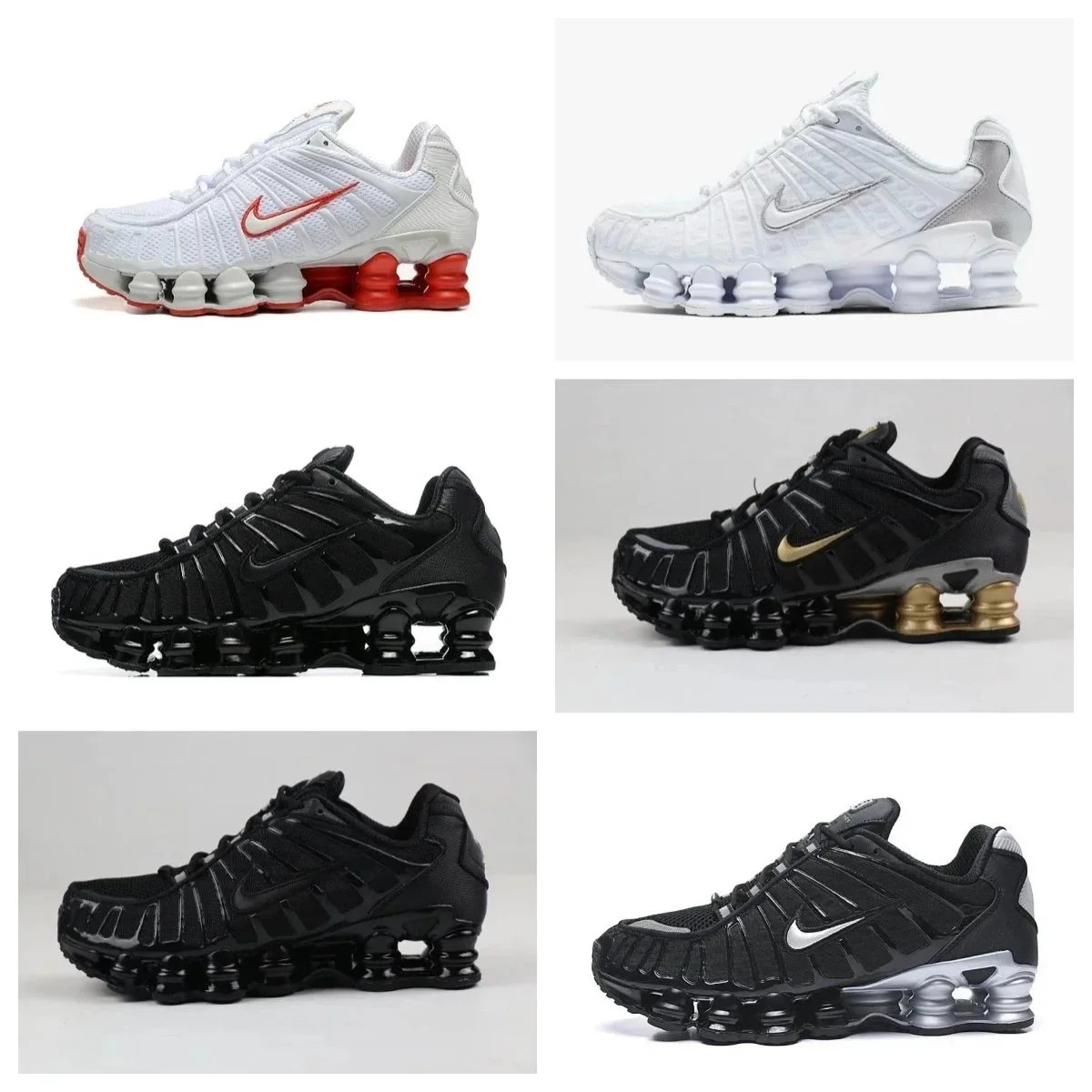
Casual Shoes | Oopbuy spreadsheet | MyCNBox spreadsheet | Sugargoo spreadsheet - 135681

Platform Casual Shoes | Hubbuycn spreadsheet | Fansbuy spreadsheet - 135441

Shoes Ph076 Breathable Running Shoes | CSSBuy spreadsheet | LoongBuy spreadsheet - 136150

Shoes XW21 Casual Shoes | Litbuy spreadsheet | CNShopper spreadsheet | JoyaGoo spreadsheet - 136147
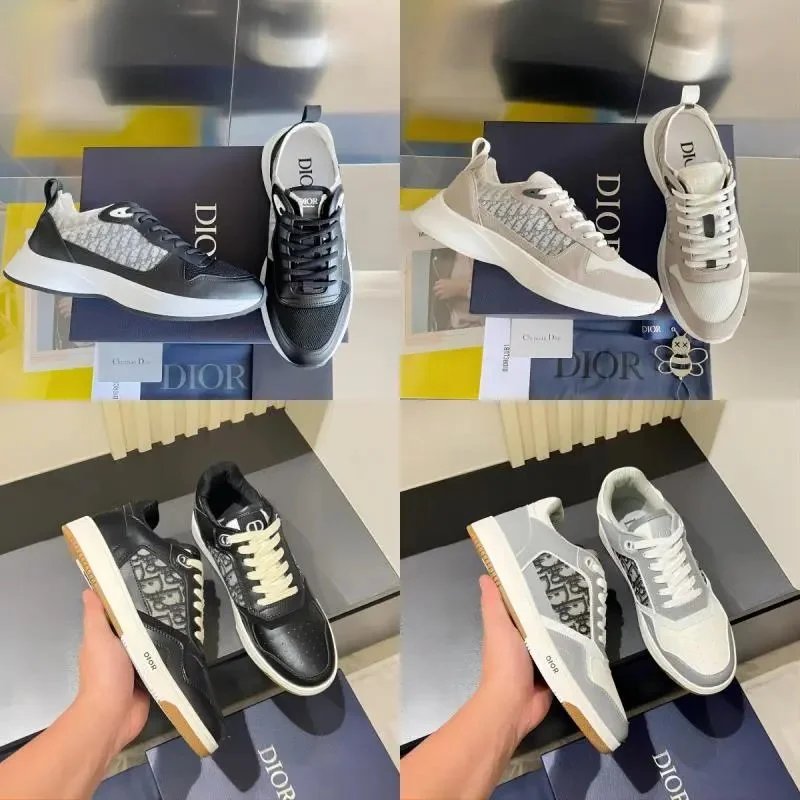
PH Running Shoes | MyCNBox spreadsheet | Hubbuycn spreadsheet - 136149

Shoes 006-RS Classic Casual Shoes | Oopbuy spreadsheet | Kakobuy spreadsheet | Lovegobuy spreadsheet - 136148