Cafans Journal
Stories & FindsCAFANS English Guide: How to Use OrientDig for Smarter Shopping
What Is CAFANS and Why OrientDig Matters
CAFANS is the shorthand many English-speaking shoppers use for community-agent fashion sourcing networks: platforms that connect buyers with sellers, warehouse agents, and shipping lines. If you have been searching for a practical English CAFANS guide, this walkthrough focuses on OrientDig, one of the more structured tools in that space. OrientDig helps you organize product research, track links, compare sellers, and plan international shipping without drowning in scattered bookmarks.
The core idea is simple: you use an agent platform to buy from markets that do not ship directly to you, consolidate parcels in a warehouse, and choose a shipping line. OrientDig adds a layer of organization on top of that workflow. Below you will find how to set up, how to use an OrientDig spreadsheet, how an OrientDig guide fits into daily buying, and how to handle OrientDig product links and an OrientDig shopping guide efficiently.
Getting Started with OrientDig
There are several OrientDig alternatives, so start by understanding what you need: product discovery, quality-check photos, consolidation, or all three. Create your account, verify your email, and complete your profile with a shipping address. Most agents require a phone number and a valid address before you can submit an order.
Next, install the browser extension if one is offered. Extensions let you paste product URLs from marketplaces and convert them into agent order forms. If you prefer manual entry, the order page accepts links, size, color, and remarks. Always add clear remarks: "no logo," "double-box," or "inspect stitching" save time later.
A first small order is the best test. Buy one inexpensive item, watch the warehouse photos, and evaluate response time. Once you trust the flow, scale up. This is the single most important tip in any OrientDig guide: do not send a large haul before you have tested communication and quality control.
Using an OrientDig Spreadsheet
An OrientDig spreadsheet is where serious buyers keep their haul organized. A good spreadsheet has columns for item name, seller, price in original currency, converted price, size, color, weight estimate, order status, warehouse status, and QC result. Add a column for the original URL and one for notes.
Why bother? Because a haul of twenty items quickly becomes impossible to track by memory. With a spreadsheet you can see total cost before shipping, spot duplicate purchases, and calculate volumetric weight. Weight matters: shipping lines charge by actual or volumetric weight, whichever is greater. Enter dimensions in centimeters and divide by 6000 for most express lines to estimate volumetric kilograms.
Keep a separate tab for shipping quotes. Record the destination country, line name, estimated days, price per kilogram, and restrictions. When you compare lines later, you will have real data instead of vague impressions. Back up the file monthly. Buyers who rely on an OrientDig spreadsheet consistently report fewer lost orders and lower shipping surprises.
Reading an OrientDig Guide Without Wasting Time
Not every OrientDig guide is equal. Look for guides that explain the full pipeline: order submission, seller shipping to warehouse, QC inspection, consolidation, international shipping, and customs. A good guide names common pitfalls: wrong sizes, sellers who ship late, battery restrictions, and counterfeit risk.
Treat guides as checklists. Before you order, confirm the seller's return policy, the processing time, and whether the item can be shipped by air. Before you consolidate, confirm packaging upgrades and remove unnecessary shoeboxes to cut weight. After you ship, keep tracking numbers and order screenshots together in one folder.
Managing OrientDig Product Links
OrientDig product links are the currency of the whole workflow. Save every link with the same numbering system you use in your spreadsheet. A link alone is fragile: sellers remove listings, change variants, or update prices. A link plus a screenshot plus a saved title is durable.
When a link dies, your screenshot helps an agent find the same item from another seller. Use descriptive labels such as "jacket-01-black-L" rather than random strings. Group links by category: outerwear, footwear, accessories, home goods, electronics. If you share finds with friends, send the spreadsheet row rather than a bare URL, so they inherit the context.
An OrientDig Shopping Guide for Real Hauls
An OrientDig shopping guide should cover timing and budget, not just links. Here is a workable routine:
- Research week: collect OrientDig product links, screenshot listings, and fill rows in your OrientDig spreadsheet.
- Order week: submit orders in batches, pay attention to seller processing times, and note expected warehouse arrival dates.
- QC week: review warehouse photos, request extra angles when needed, and approve or return.
- Shipping week: compare lines, choose insurance if available, and consolidate.
Budget for the hidden costs: domestic shipping within the source country, consolidation fees, packaging upgrades, and customs duties. A realistic OrientDig guide warns that the sticker price is never the final price. Build a 20 to 30 percent buffer.
Related Terms Worth Knowing
These terms appear constantly in CAFANS and agent communities: agent, warehouse, consolidation, QC photos, haul, spreadsheet, find, batch, seller rating, shipping line, volumetric weight, actual weight, customs declaration, declared value, rehearsal packing, insurance, tracking number, parcel, carton, repack, removal request, refund, dispute, exchange rate, service fee, domestic shipping, international shipping, delivery time, and restricted item. Learning them makes every OrientDig guide easier to follow and every OrientDig spreadsheet more useful.
Final Advice
Use OrientDig as an organizer, not a shortcut. Verify sellers, test with small orders, keep your OrientDig spreadsheet current, archive OrientDig product links with screenshots, and follow a repeatable OrientDig shopping guide. With discipline, the platform becomes a reliable part of your buying routine rather than another tab you forget to check.
Editor's selection
Popular Products

Shoes Ph076 Breathable Running Shoes | CSSBuy spreadsheet | LoongBuy spreadsheet - 136150
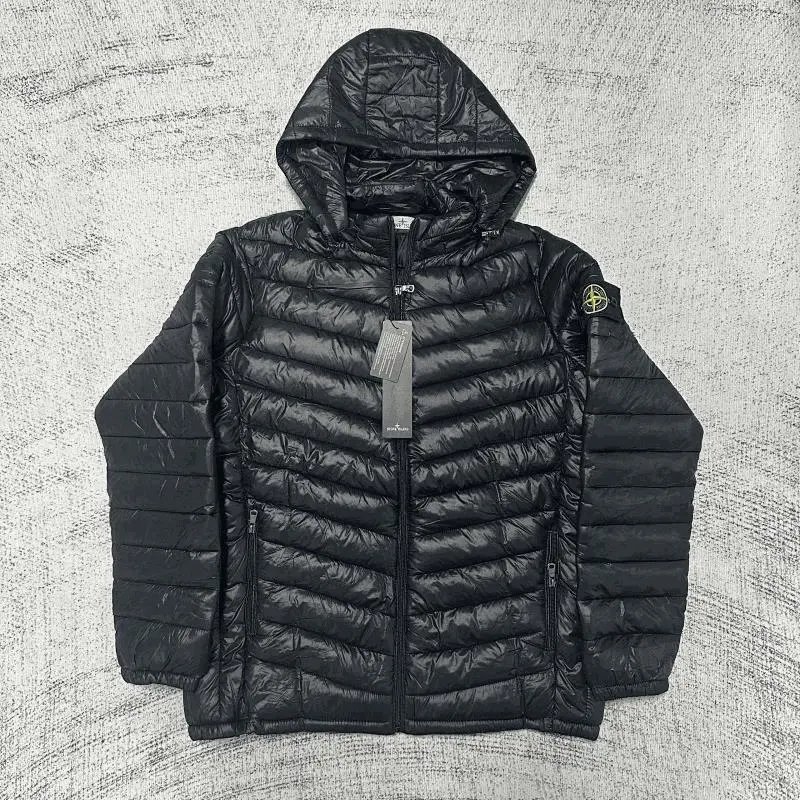
Winter Loose Down Jackets, Sweatshirts and Sweaters 003 | Sugargoo spreadsheet | CSSBuy spreadsheet - 141091

CC979-CP Down Jackets, Jackets and Pants Collection | Hipobuy spreadsheet | Oopbuy spreadsheet - 141085

Puffer Jacket 17W-G Down Jackets and Sweaters | USFans spreadsheet | Wheebuy spreadsheet - 141045

Thick Down and Padded Jackets and Vests Collection | USFans spreadsheet | Fansbuy spreadsheet - 136689
DBD CP Down Jackets, Jackets and Pants Collection | GTBuy spreadsheet | Fishgoo spreadsheet - 138755

Men's Casual Shoes | CSSBuy spreadsheet | Kakobuy spreadsheet | Rizzitgo spreadsheet - 135435