Cafans Journal
Stories & FindsThe English CAFANS Guide: Rizzitgo Spreadsheet, Product Links, and Shopping Strategy
If you have spent any time browsing social shopping communities, you have probably run into the acronym CAFANS. It stands for Clothing, Accessories, Footwear, Accessories, Novelties, and Supplies, and it describes the broad mix of items that buyers hunt for when they want affordable, trend-driven goods. This Rizzitgo guide explains how to use the platform efficiently, why a Rizzitgo spreadsheet is the single most useful tool in your workflow, and how to evaluate Rizzitgo product links before you commit your money. Whether you are a first-time buyer or a seasoned haul builder, the following Rizzitgo shopping guide will help you plan, compare, and purchase with confidence.
What Is Rizzitgo?
Rizzitgo is a shopping discovery platform and community hub where users share listings, compare prices, and track new arrivals across a wide catalog. Think of it as a curated marketplace with an active social layer: sellers upload product pages, buyers post finds, and moderators keep reviews honest. The catalog leans heavily toward clothing, sneakers, bags, jewelry, phone cases, home gadgets, and seasonal novelties, which is exactly the CAFANS mix described above. Because inventory changes quickly, the platform rewards shoppers who organize their research instead of impulse-buying.
A typical session involves three steps: browse the feed, save candidate items, and verify each listing through reviews, size charts, and return policies. The Rizzitgo guide approach below turns those three steps into a repeatable routine.
Why the Rizzitgo Spreadsheet Matters
The Rizzitgo spreadsheet is a community-maintained document that lists products with columns for item name, category, price, seller rating, shipping estimate, size range, and a direct link. Instead of scrolling endless feeds, you filter and sort. Popular versions include:
- Master sheet – all verified listings, updated weekly
- Category tabs – separate views for hoodies, sneakers, bags, accessories, and home goods
- Price tracker – historical lows and typical sale windows
- QC notes – buyer-submitted photos and quality-control comments
Using the spreadsheet changes your shopping behavior in three ways. First, it reduces decision fatigue because you compare structured rows rather than scattered screenshots. Second, it surfaces duplicates, so you do not buy the same basic tee three times from three sellers. Third, it preserves your research: when a listing disappears or a price spikes, you still have the original data.
How to Read Rizzitgo Product Links
Every item in the sheet points to a Rizzitgo product link, and reading those links carefully prevents most beginner mistakes. Check the following before adding anything to your cart:
- Seller history – account age, order volume, and review sentiment.
- Listing detail – real photos versus stock images, material composition, and measurement tables.
- Variant accuracy – confirm color, size, and model; many links default to the cheapest variant, which is rarely what you want.
- Shipping and returns – delivery windows, tracking availability, and refund conditions.
- Price context – cross-check against the spreadsheet's price tracker before assuming a discount is real.
A good habit is to open the link in a fresh tab, screenshot the price and variant, and paste the screenshot into your own tracking sheet. That way, if a dispute arises, you have evidence of what you ordered.
Building a Smart Shopping Workflow
The strongest Rizzitgo shopping guide advice is to separate discovery from purchasing. Discovery is fast and visual; purchasing should be slow and deliberate. Try this weekly routine:
- Monday: scan the feed and the master spreadsheet for new arrivals in your saved categories.
- Wednesday: shortlist five to ten items and read QC notes for each.
- Friday: compare prices, check coupons, and confirm sizes against measurement charts.
- Weekend: place one consolidated order to reduce shipping costs and simplify tracking.
Consolidating orders also makes returns easier to manage, since a single shipment means a single resolution thread if something goes wrong.
Common Mistakes to Avoid
New buyers tend to trust the first listing they see, ignore size charts, and chase flashy discounts without checking seller ratings. Others overload their cart during sales and then abandon half the items, which wastes time and sometimes triggers account flags. Avoid these traps by setting a budget before you browse, filtering by seller rating above a minimum threshold, and never buying apparel without comparing your measurements to the chart. Finally, treat community reviews as a starting point, not a verdict: read the negative reviews first, because they reveal recurring problems such as inconsistent sizing or slow dispatch.
Final Thoughts
Rizzitgo works best when you treat it as a research platform rather than a slot machine. Lean on the Rizzitgo spreadsheet for structure, verify every Rizzitgo product link before checkout, and follow the routines in this Rizzitgo guide to keep your budget intact. Used this way, the platform becomes a reliable source for CAFANS-style shopping: clothing, accessories, footwear, novelties, and everyday supplies at prices that make sense. Bookmark the sheet, set a weekly review, and let the data—not the algorithm—drive your next haul.
Editor's selection
Popular Products
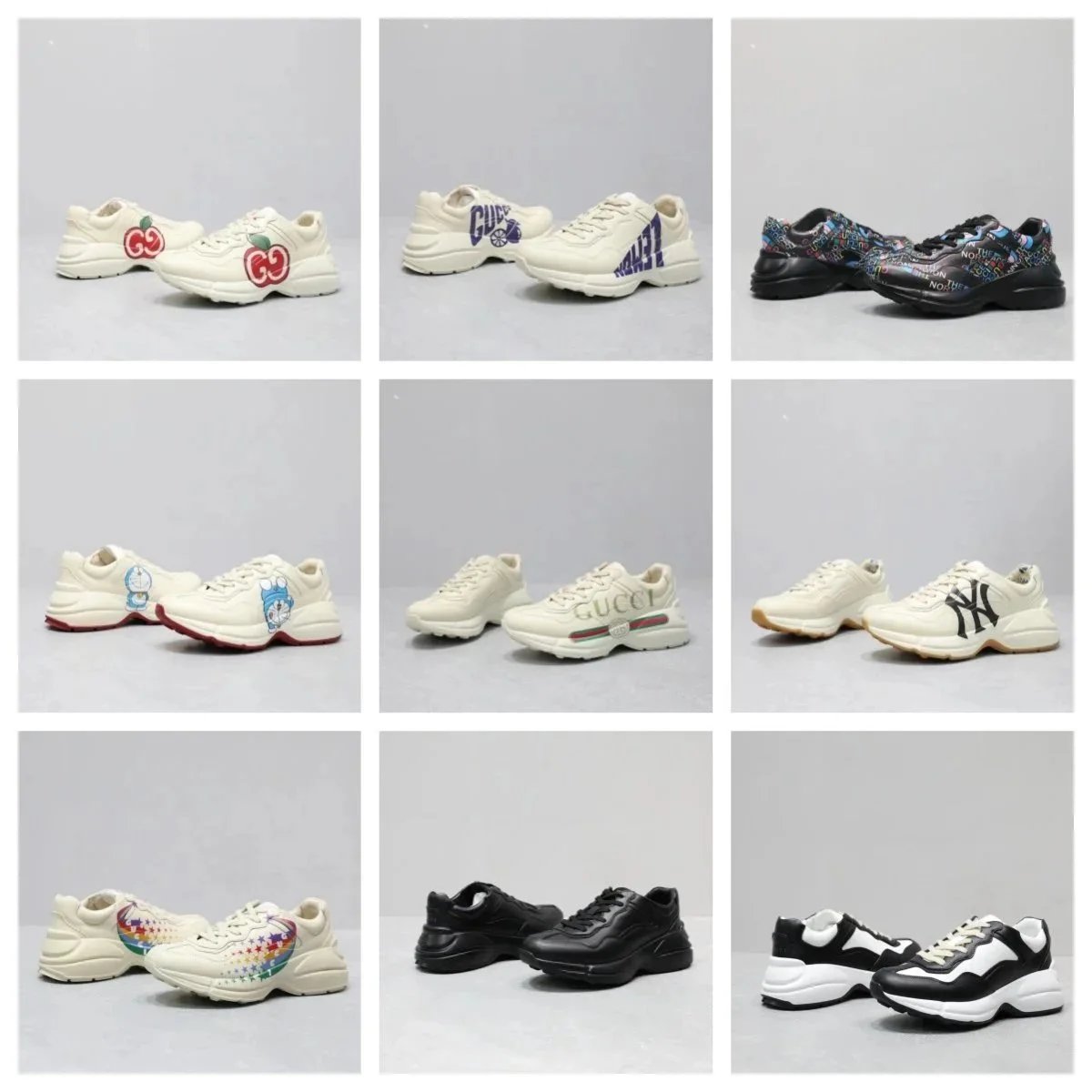
Outdoor Casual Sneakers | Hipobuy spreadsheet | OOTDBuy spreadsheet | JoyaGoo spreadsheet - 141223
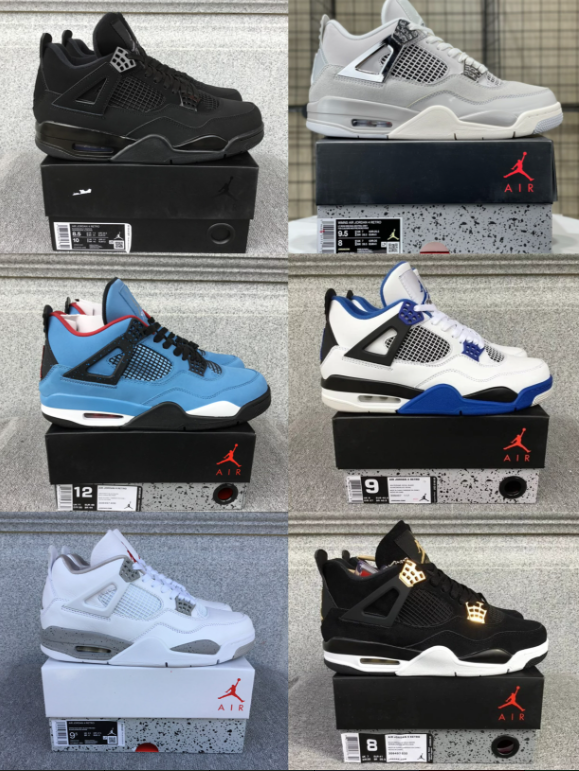
Sneakers B22 B30 Unisex Classic Sneakers | UIDBuy spreadsheet | BBDBuy spreadsheet - 135717
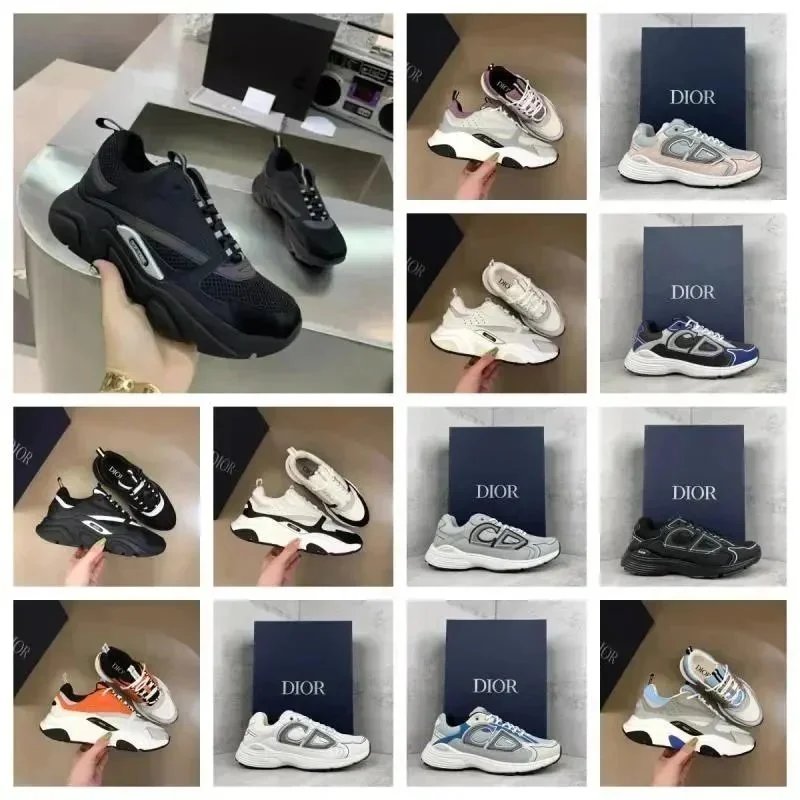
Sneakers 04 Classic Sneakers | LoongBuy spreadsheet | JoyaGoo spreadsheet | USFans spreadsheet - 135678
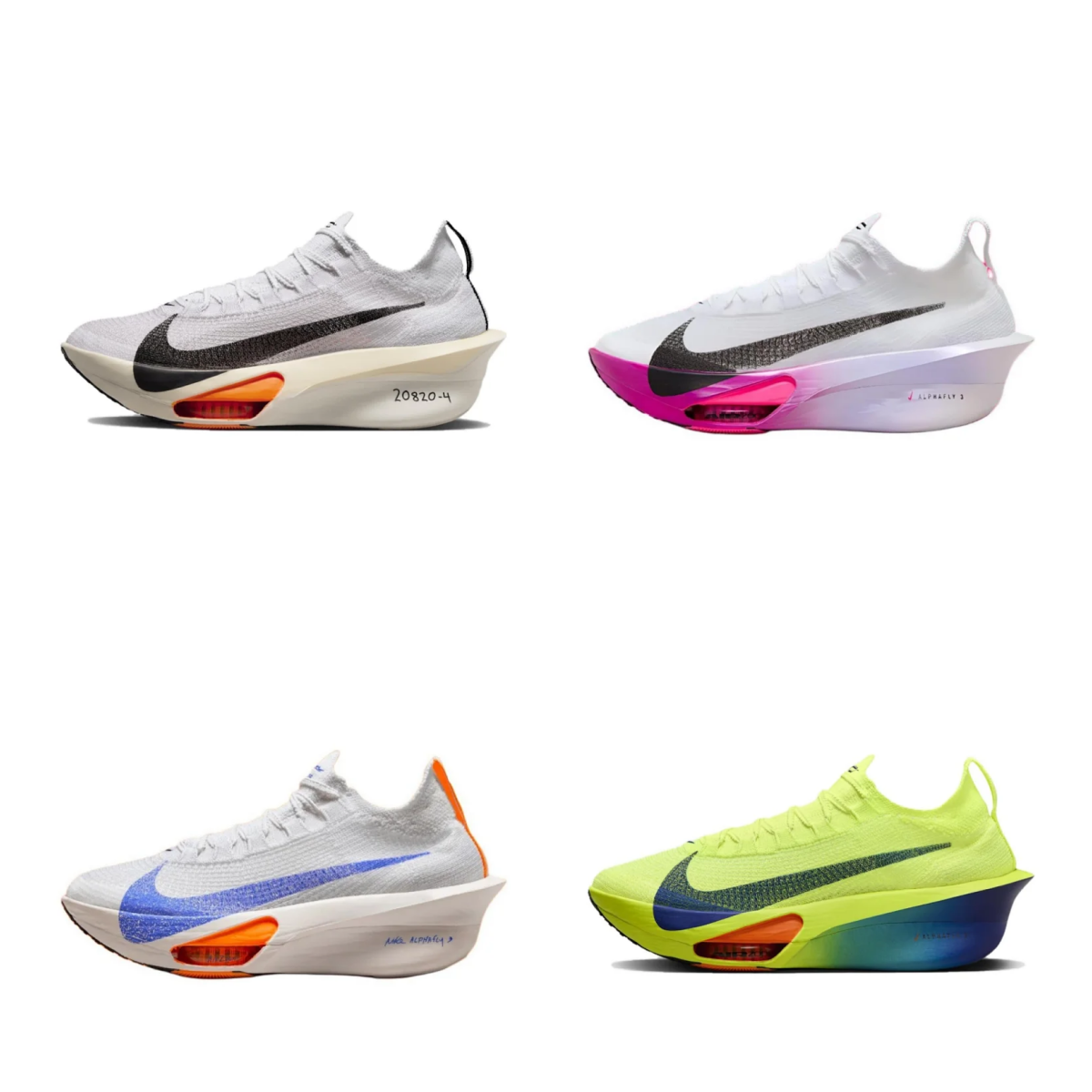
Shoes Ph076 Breathable Running Shoes | CSSBuy spreadsheet | LoongBuy spreadsheet - 136150
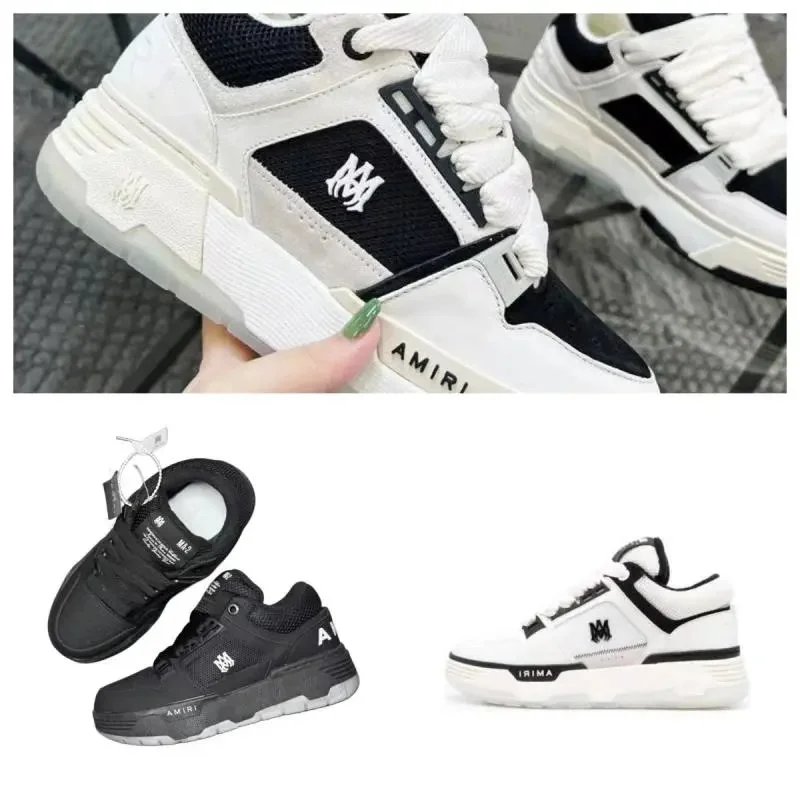
Sneakers P-0100 Unisex Sneakers | Kakobuy spreadsheet | BBDBuy spreadsheet | MyCNBox spreadsheet - 136114

Graphic Hoodies and Sweatpants Collection LH25 Unisex | Oopbuy spreadsheet | Hipobuy spreadsheet - 140989

Sneakers 2025 Skate Sneakers | MyCNBox spreadsheet | iTaoBuy spreadsheet | USFans spreadsheet - 135965