Cafans Journal
Stories & FindsCAFANS English Guide: Using the usfans Spreadsheet for Smarter Shopping
If you have been searching for a clear, English-language guide to the CAFANS community and its tools, this article is for you. The centerpiece of the experience is the usfans spreadsheet, a shared document that helps shoppers compare items, track prices, and plan orders. Around it you will find the usfans guide, curated usfans product links, a practical usfans shopping guide, and a dedicated usfans spreadsheet guide. Together these resources form a complete workflow for anyone who wants to buy fashion and lifestyle goods with more confidence.
What Is the usfans Spreadsheet?
The usfans spreadsheet is a community-maintained catalog. Each row typically lists an item category, a product name, available sizes, color options, estimated weight, reference price, and a link to the seller listing. Instead of jumping between dozens of tabs, you open one document and scan it like a menu. Because entries are grouped by category, you can filter quickly, for example to view only hoodies, only sneakers, or only accessories.
The spreadsheet is not a store. It is a planning aid. It does not process payments and it does not guarantee stock, quality, or shipping times. Always confirm details on the seller page before committing money.
How the usfans Guide Fits In
The usfans guide explains the vocabulary used in the sheet: agent, warehouse, QC photos, rehearsal, consolidation, volumetric weight, declared value, and customs. Beginners often get lost in abbreviations, so the guide translates them into plain English. Reading it once saves hours of confusion later.
The usfans shopping guide then turns that vocabulary into a sequence: choose a category, open the product link, verify sizing charts, add the item to your agent cart, request quality-check photos, approve or exchange, then consolidate the parcel. Following that order reduces mistakes such as ordering the wrong size or missing a return window.
Using usfans Product Links Safely
usfans product links are the bridge between the spreadsheet and the seller. A good link points directly to the item variant, not just the store homepage. When you click through, check three things: the current price (spreadsheets go stale), the size chart in centimeters, and the seller's recent reviews with photos. If the listing has changed since the spreadsheet was updated, note the new details in your own tracker.
Do not share personal order numbers or payment screenshots in public comment threads. Keep communication inside the agent platform so you retain a record if a dispute arises.
The usfans Spreadsheet Guide: Step by Step
The usfans spreadsheet guide is the practical manual for the document itself. A typical routine looks like this:
- Make a copy. Save your own version so your notes do not disturb the shared file.
- Filter by category. Use the header filters to isolate jackets, pants, bags, or footwear.
- Shortlist rows. Mark candidates with a color or a separate column.
- Verify links. Open each listing and confirm the variant still exists.
- Estimate weight. Add the estimated grams to predict shipping cost.
- Budget. Multiply item price by quantity, add domestic shipping, international freight, and a service fee.
- Order and request QC. Ask for detailed photos of stitching, labels, and measurements.
- Consolidate. Combine multiple items into one parcel to reduce per-kilogram cost.
Categories You Will See
Most rows fall into a handful of familiar groups: outerwear such as jackets and coats; tops including T-shirts, hoodies, and knitwear; bottoms such as jeans, cargo pants, and shorts; footwear including sneakers, boots, and sandals; bags and backpacks; accessories like belts, caps, scarves, and jewelry; and small lifestyle items such as phone cases, socks, and sunglasses. The spreadsheet may also list home goods, stationery, and fitness accessories. Treat these as generic categories, not brand recommendations.
Pricing, Weight, and Shipping Realities
Two numbers decide your final bill: volumetric weight and actual weight. Carriers charge whichever is greater. Bulky items such as puffer jackets are light but large, so volumetric weight often wins. Shoes are heavy and dense, so actual weight dominates. Use the spreadsheet's weight column only as a rough estimate, then confirm after the items reach the warehouse.
Consolidation saves money, but only up to a point. Combining ten small items into one parcel is usually cheaper than ten separate parcels. However, very large parcels may trigger size surcharges or restricted shipping lines. Ask your agent which line accepts your total weight and dimensions.
Quality Control Tips
Request QC photos against a plain background in good light. Check symmetry on logos, alignment of stitching, sole glue lines, zipper smoothness, and label spelling. Compare measurements with the size chart. If something looks off, ask for an exchange before the warehouse deadline. Keep screenshots of every approval.
Common Mistakes to Avoid
- Trusting an outdated price without reopening the link.
- Ignoring size charts and guessing from local sizing.
- Forgetting domestic shipping inside the origin country.
- Declaring an unrealistically low value and risking customs issues.
- Ordering fragile items without protective packaging.
- Skipping QC and discovering defects after international shipping.
Final Thoughts
The usfans spreadsheet works best when paired with the usfans guide, verified usfans product links, a disciplined usfans shopping guide routine, and the detailed usfans spreadsheet guide. Start small with one or two items, learn the workflow, then scale up. Verify every listing, budget for freight, and keep records. Used this way, the spreadsheet becomes a genuinely useful planning tool rather than a source of surprises.
Editor's selection
Popular Products
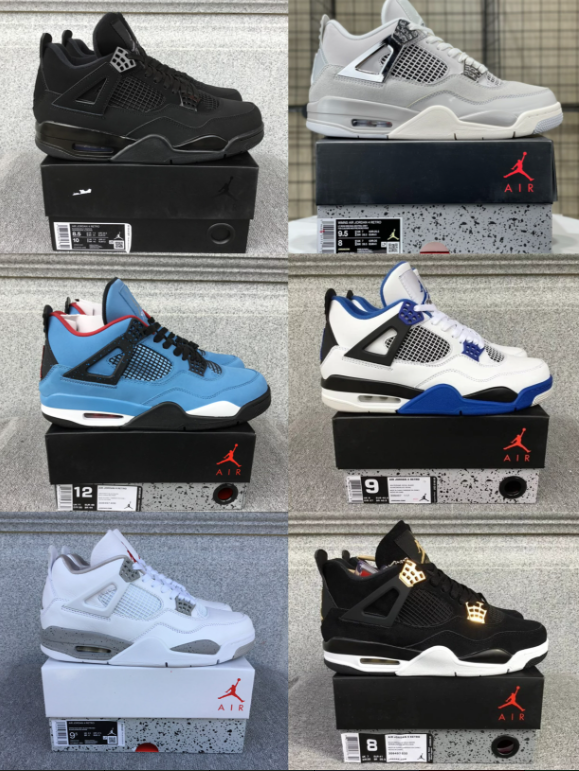
Outdoor Casual Sneakers | Hipobuy spreadsheet | OOTDBuy spreadsheet | JoyaGoo spreadsheet - 141223
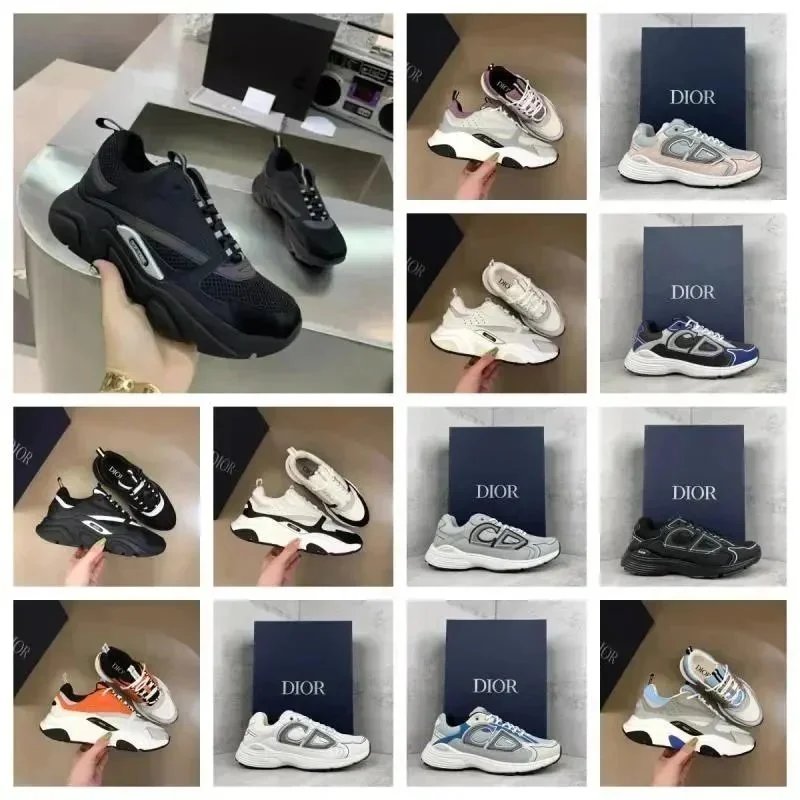
Sneakers B22 B30 Unisex Classic Sneakers | UIDBuy spreadsheet | BBDBuy spreadsheet - 135717
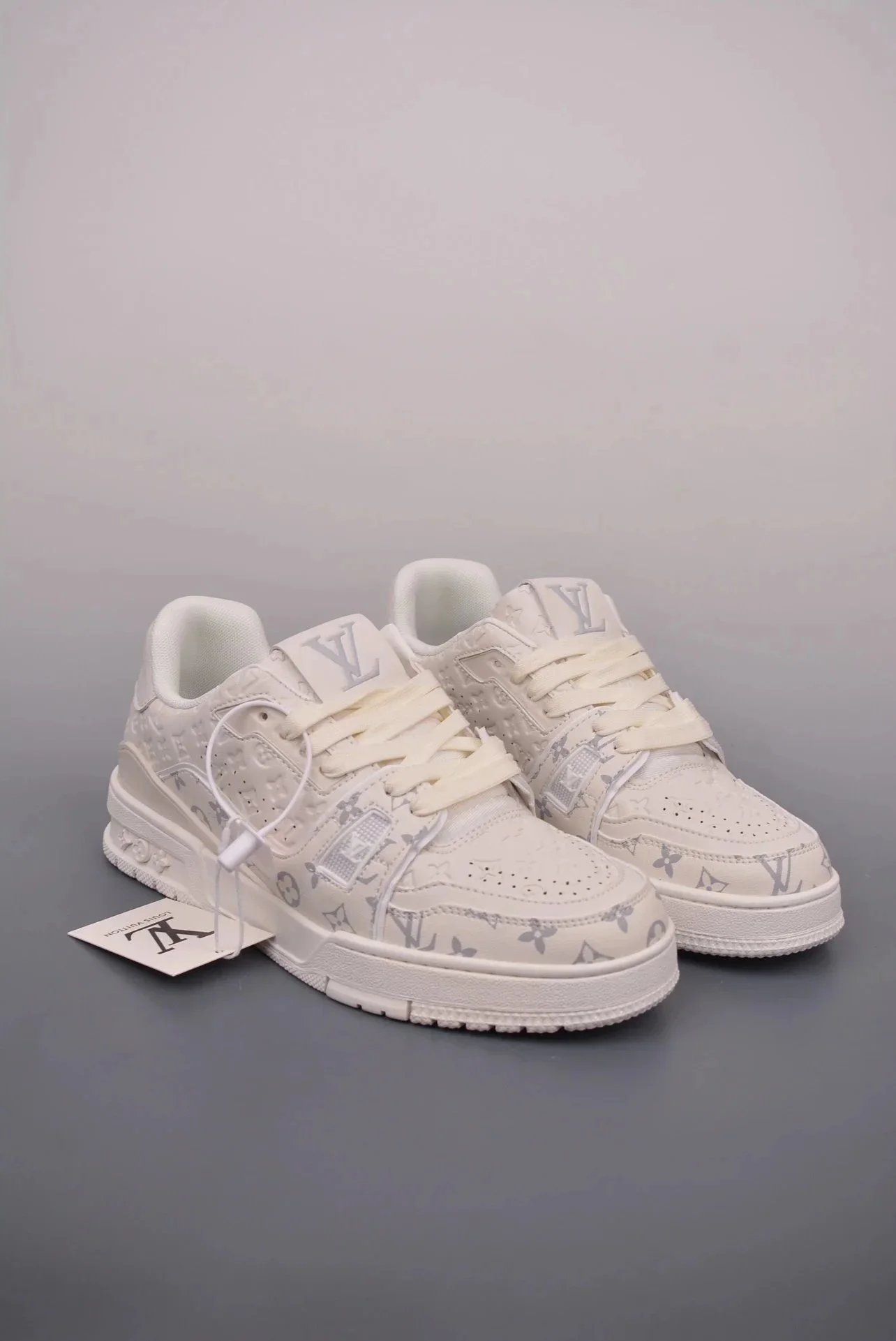
Sneakers 04 Classic Sneakers | LoongBuy spreadsheet | JoyaGoo spreadsheet | USFans spreadsheet - 135678
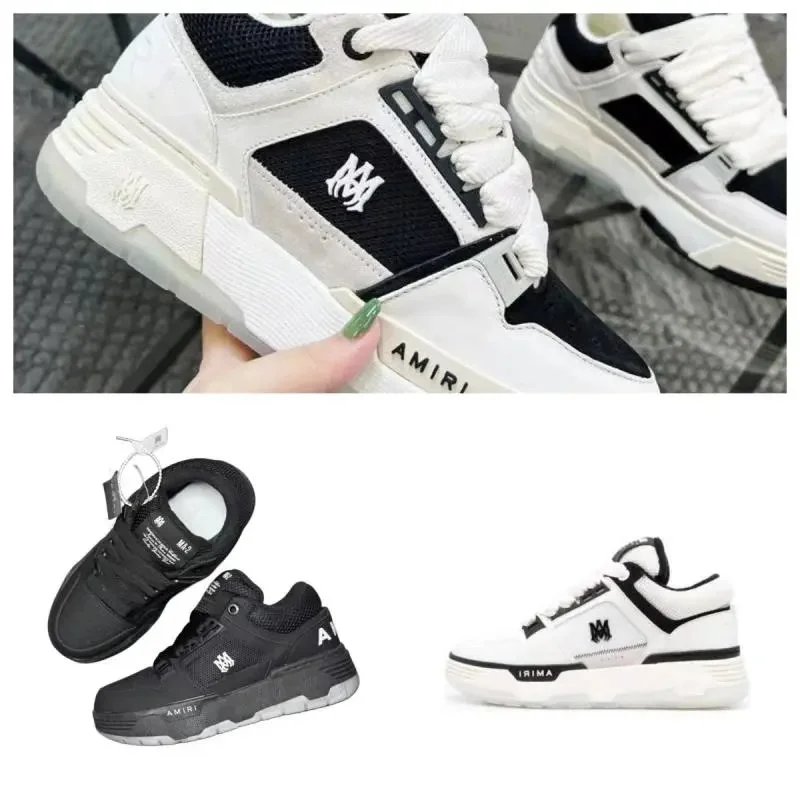
Sneakers P-0100 Unisex Sneakers | Kakobuy spreadsheet | BBDBuy spreadsheet | MyCNBox spreadsheet - 136114

Graphic Hoodies and Sweatpants Collection LH25 Unisex | Oopbuy spreadsheet | Hipobuy spreadsheet - 140989

Sneakers 2025 Skate Sneakers | MyCNBox spreadsheet | iTaoBuy spreadsheet | USFans spreadsheet - 135965
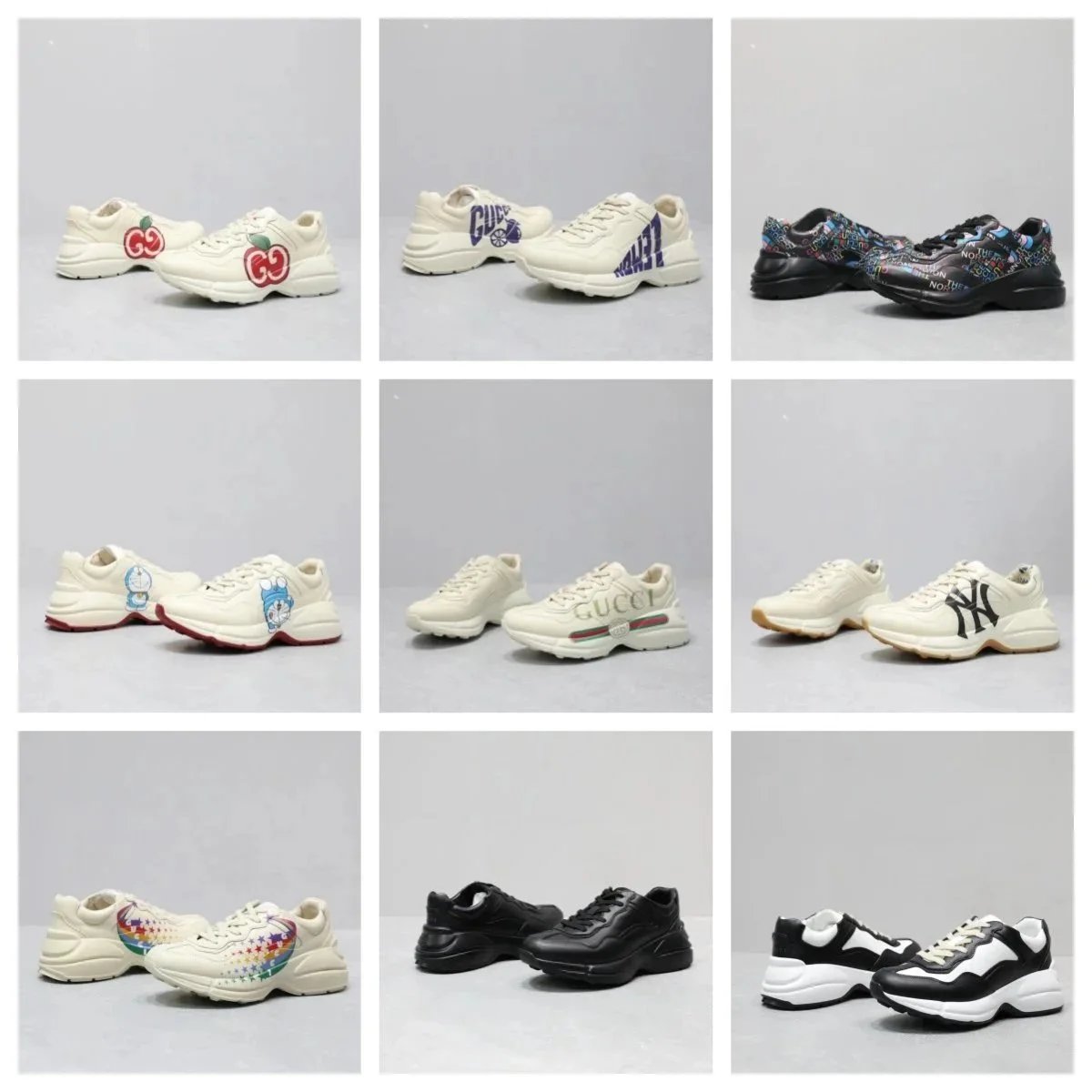
Sneakers BY03-CY Unisex Chunky Sneakers | Wheebuy spreadsheet | Lovegobuy spreadsheet - 141219
