Cafans Journal
Stories & FindsCAFANS Shopping Guide: Mastering the Litbuy Spreadsheet for Smarter Buys
If you have spent any time browsing the CAFANS community, you have probably noticed that successful shoppers rarely rely on guesswork. They rely on a litbuy spreadsheet. This guide walks you through what that spreadsheet is, why it matters, and how to use it alongside the wider litbuy guide ecosystem to make better purchasing decisions. Whether you are a first-time buyer or a seasoned haul builder, the tips below will help you navigate the process with confidence.
What Is the Litbuy Spreadsheet?
At its core, a litbuy spreadsheet is a curated, community-maintained document that collects product information in one place. Instead of scrolling through dozens of storefronts, you open a single sheet and compare options side by side. A typical sheet includes item names, category tags, approximate weights, size charts, seller notes, and QC photo references. The best versions also include updated litbuy product links so you can jump straight to the listing without searching.
The spreadsheet is not a store itself. Think of it as an index, a research tool, and a shared notebook all at once. Because it is maintained by experienced buyers, it often surfaces items that are hard to find through normal search.
Why Shoppers Use a Litbuy Spreadsheet Guide
A good litbuy spreadsheet guide explains not just what is in the sheet but how to read it. Columns may look simple, but each one carries meaning. Weight estimates affect shipping cost. Size notes prevent returns. Seller ratings hint at consistency. When you understand the structure, you can filter quickly and avoid common mistakes.
Using a sheet also saves time. Rather than comparing ten tabs manually, you sort by price, weight, or category. For people building large hauls, that efficiency adds up fast. It also reduces the risk of impulse buys, because you can plan a budget before checkout.
How to Read a Litbuy Guide Effectively
The broader litbuy guide content available in the CAFANS community usually covers ordering flow, agent selection, shipping lines, and QC expectations. Combine that knowledge with the spreadsheet for the best results. Here is a simple workflow:
- Start with categories. Open the sheet and identify the tabs or sections relevant to your needs.
- Check the notes column. Sellers and community members often flag sizing quirks or batch differences here.
- Verify links. Use the provided litbuy product links to confirm the item is still available.
- Compare weights. Estimate shipping before you commit, especially for bulky items.
- Review QC references. Past photos help you set realistic expectations.
Following a repeatable process turns a chaotic browsing session into a focused shopping trip.
Building a Litbuy Shopping Guide Routine
A litbuy shopping guide is more than a list of tips; it is a routine. The most effective shoppers revisit the sheet weekly, track price changes, and note which sellers respond quickly. They also keep a personal shortlist and move items into a cart only after confirming size and weight.
Another habit worth adopting is cross-referencing. If an item appears in the spreadsheet but has no recent QC photos, treat it as unverified. Ask in community threads, check the seller's history, and look for alternate listings. Patience here saves money later.
Common Mistakes to Avoid
Even with a solid litbuy spreadsheet, beginners stumble in predictable ways. Avoid these pitfalls:
- Ignoring weight. A cheap item with heavy packaging can cost more to ship than it is worth.
- Trusting stale links. Listings disappear; always confirm before ordering.
- Skipping size charts. Measurements vary widely between sellers.
- Overloading a single haul. Split orders to reduce risk and simplify customs handling.
- Not saving evidence. Keep screenshots of product pages and QC photos for reference.
Each of these mistakes is easy to fix once you know they exist.
Categories Commonly Found in the Sheet
While every sheet differs, most cover similar ground. You will typically see apparel such as hoodies, tees, jackets, and pants; footwear including sneakers and boots; bags and backpacks; accessories like belts, hats, and jewelry; and lifestyle items such as phone cases, desk accessories, and small electronics. Seasonal categories appear too, especially during colder months when outerwear and knitwear dominate.
Because the sheet is organized by category, you can browse efficiently even if you only need one type of item. Use filters and search functions to narrow results, then read the notes before adding anything to your list.
Staying Updated and Contributing
Spreadsheets thrive on community input. If you find a corrected link, a better size note, or a helpful QC observation, share it. Many sheets include a submission form or a dedicated thread for updates. Contributing keeps the resource accurate and helps other shoppers avoid the same problems you encountered.
Follow the changelog if one is available. Version notes tell you what changed and when, which is useful when an item suddenly looks different from a previous batch.
Final Thoughts
The litbuy spreadsheet is a powerful companion to any litbuy guide, and when paired with reliable litbuy product links, it becomes a complete litbuy shopping guide in practice. Treat the litbuy spreadsheet guide as your starting point, build a consistent routine, and verify details before checkout. With a little discipline, you will shop smarter, ship more efficiently, and avoid the common traps that catch first-time buyers.
Bookmark the sheet, join the conversation, and keep your notes organized. The CAFANS community is built on shared knowledge, and the spreadsheet is one of its most useful tools.
Editor's selection
Popular Products
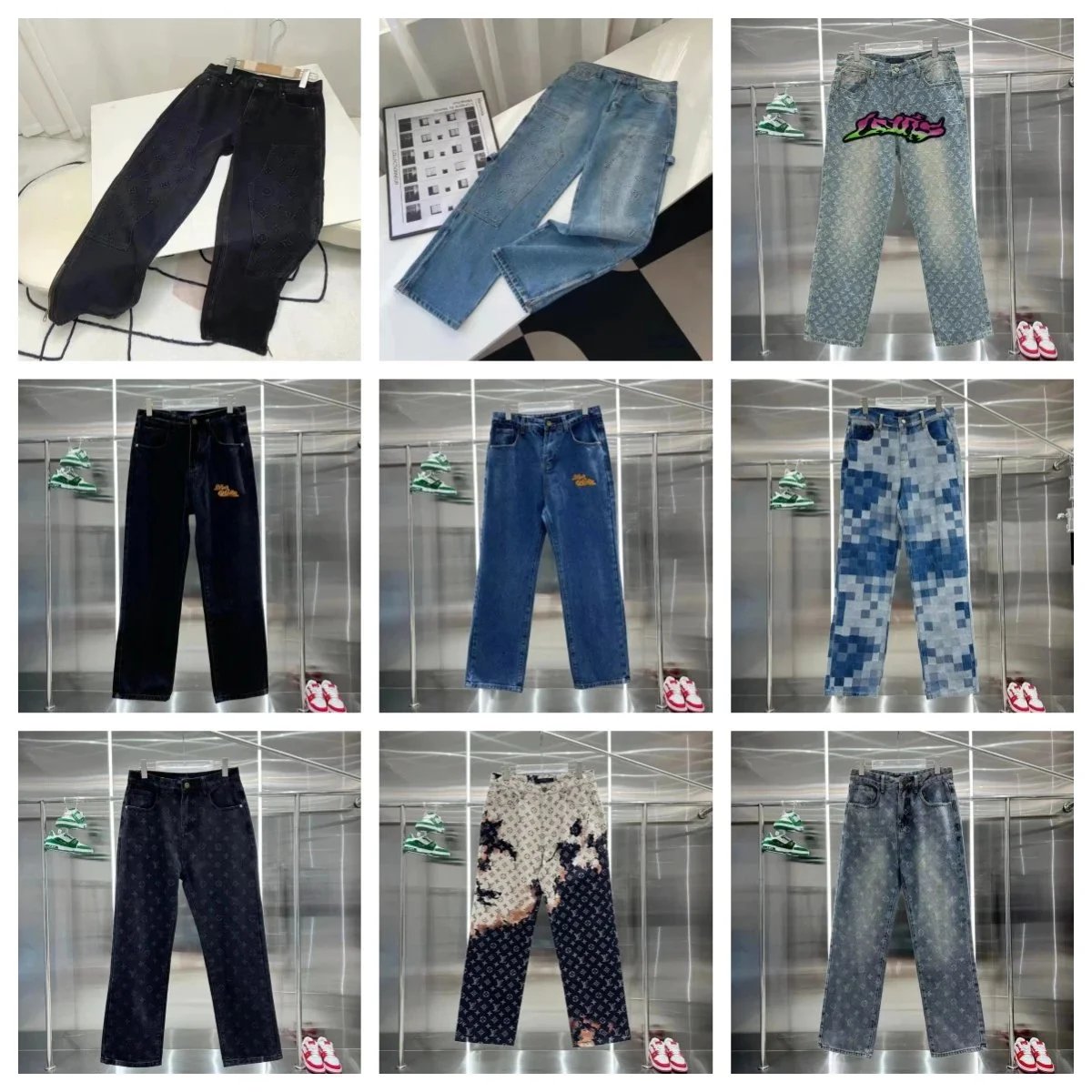
Pants Pants 001 | iTaoBuy spreadsheet | Wheebuy spreadsheet | Oopbuy spreadsheet - 141036
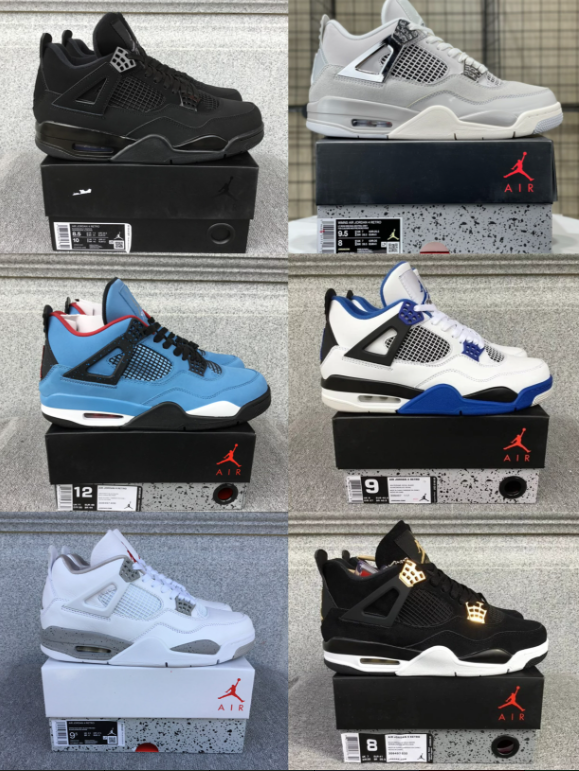
Outdoor Casual Sneakers | Hipobuy spreadsheet | OOTDBuy spreadsheet | JoyaGoo spreadsheet - 141223
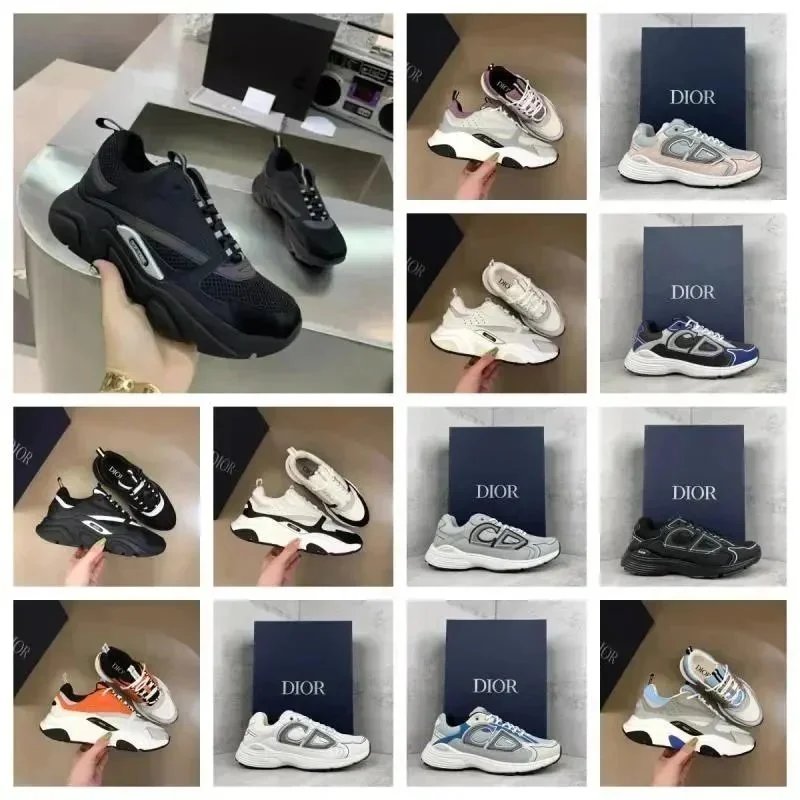
Sneakers B22 B30 Unisex Classic Sneakers | UIDBuy spreadsheet | BBDBuy spreadsheet - 135717
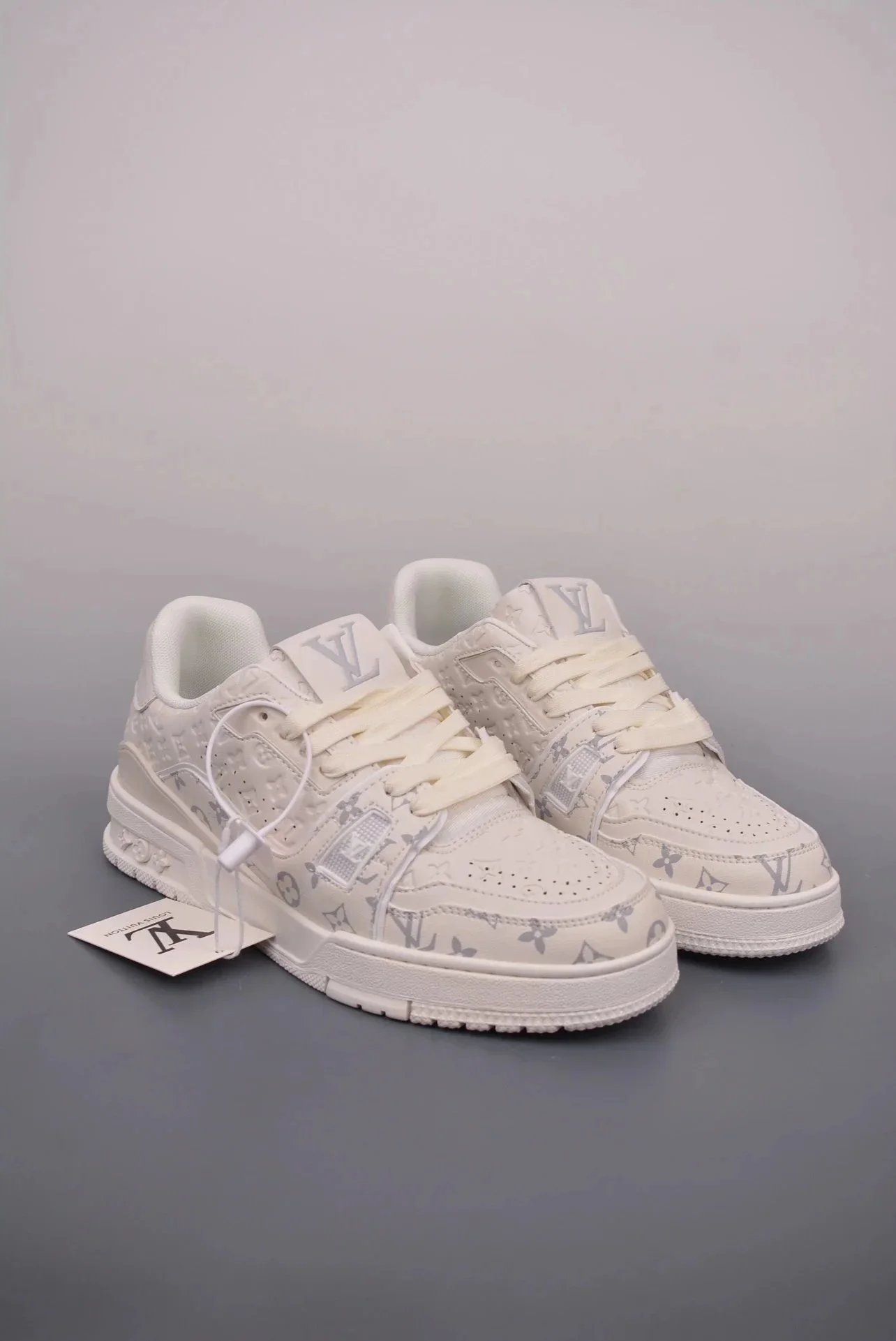
Sneakers 04 Classic Sneakers | LoongBuy spreadsheet | JoyaGoo spreadsheet | USFans spreadsheet - 135678
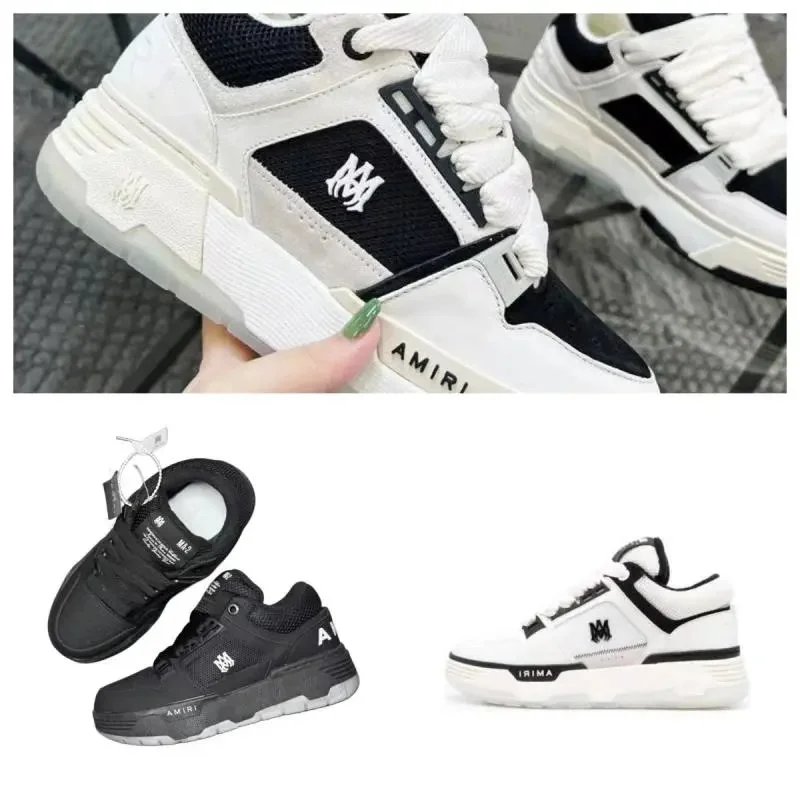
Sneakers P-0100 Unisex Sneakers | Kakobuy spreadsheet | BBDBuy spreadsheet | MyCNBox spreadsheet - 136114

Graphic Hoodies and Sweatpants Collection LH25 Unisex | Oopbuy spreadsheet | Hipobuy spreadsheet - 140989

Sneakers 2025 Skate Sneakers | MyCNBox spreadsheet | iTaoBuy spreadsheet | USFans spreadsheet - 135965
