Cafans Journal
Stories & FindsThe English CAFANS Guide: Your Complete ZentBuy Shopping Tutorial
If you have spent any time browsing Chinese shopping agents, you have probably run into the term CAFANS. It is a shorthand used across the community for a specific style of buying, browsing, and shipping from Chinese platforms, and it has become especially popular among international shoppers who use ZentBuy as their agent. This English CAFANS guide walks you through what the term means, how it fits into the ZentBuy workflow, and how to use the ZentBuy spreadsheet, the ZentBuy guide, ZentBuy product links, and the ZentBuy shopping guide to get the most out of every order.
What Is CAFANS?
CAFANS is best understood as a community label for a buying approach rather than an official platform feature. In practice, it refers to the habit of collecting finds through shared spreadsheets, verifying them with product links, and then submitting them to an agent like ZentBuy for purchase and consolidation. The letters are often used loosely in forum posts, Discord servers, and Telegram groups to signal that a list or haul follows this curated, link-driven method. Because the term is informal, the exact meaning can vary by community, but the core idea is consistent: organized discovery followed by agent-assisted checkout.
For English-speaking shoppers, the appeal is simple. Instead of hunting through unfamiliar Chinese marketplaces alone, you rely on shared lists, translated guides, and a single agent dashboard. ZentBuy sits at the center of that workflow, handling purchasing, quality checks, storage, and international shipping.
Why ZentBuy Fits the CAFANS Workflow
ZentBuy is a shopping agent that lets you order from multiple Chinese platforms and combine everything into one parcel. That consolidation step is what makes the CAFANS approach practical. You can gather dozens of small items, request QC photos, approve or return them, and then ship them together to reduce shipping costs.
Key features that matter for this method include:
- Agent purchasing for items that do not ship internationally on their own.
- Warehouse storage so you can wait for all your finds to arrive before consolidating.
- Quality control images and inspection before items leave the warehouse.
- Parcel consolidation with multiple shipping lines and tracking.
- Currency conversion and clear service fees.
These are the building blocks you will see referenced in almost every ZentBuy review and ZentBuy tutorial.
Using the ZentBuy Spreadsheet
The ZentBuy spreadsheet is the heart of the community side of CAFANS. These spreadsheets are curated lists of finds, usually organized by category, with columns for the item name, a product link, the price in CNY, available sizes or colors, and sometimes seller notes or QC references. They save you from scrolling endlessly and help you compare options at a glance.
When you open a spreadsheet, treat it as a starting point rather than gospel. Verify each product link before ordering, because listings can change, sell out, or be replaced. Check the seller's ratings and reviews, and confirm the size chart in the original listing. If a link is dead, search the item name or use the image search feature in the marketplace.
Good spreadsheet habits include:
- Copying links into your ZentBuy cart rather than buying directly.
- Noting the exact variant (size, color, version) in the order remarks.
- Keeping a personal column for QC notes and return deadlines.
- Avoiding duplicate entries and outdated rows.
Following the ZentBuy Guide
A reliable ZentBuy guide should cover account setup, wallet top-ups, submitting an order, communicating with the agent, and shipping. Start by creating your account and completing any verification steps. Then fund your balance using a supported payment method. Most agents let you pay per order or preload credit.
When you paste a product link, the agent system usually auto-fills the item details. Always double-check the price, variant, and quantity. Add clear remarks for anything the seller needs to know. If an item requires a presale deposit or has a long handling time, note it so you can plan your consolidation.
After the item reaches the warehouse, review the QC photos carefully. Look for defects, wrong sizes, or missing accessories. If something is wrong, request a return or exchange within the allowed window. Once everything is approved, submit a parcel request, choose a shipping line, declare the value honestly, and pay for shipping.
Working with ZentBuy Product Links
ZentBuy product links are simply the marketplace URLs you submit for purchase. They can come from spreadsheets, social media posts, or your own browsing. The trick is knowing how to use them well. Paste the full link, confirm the variant, and check whether the listing is for a single item or a bundle. If a seller offers multiple versions, be explicit in the remarks.
It also helps to save links in a notes app or a personal sheet before you order. Group them by category, add the price, and mark which ones you have already submitted. This keeps your haul organized and makes it easier to spot duplicates or items you decided to skip.
The ZentBuy Shopping Guide for Beginners
A practical ZentBuy shopping guide should focus on decisions that affect cost and risk. First, understand the fee structure: item price, domestic shipping, service fee, and international shipping. Second, know your customs responsibilities and declare accurately. Third, choose a shipping line that matches your budget and timeline; cheaper lines are slower, and expedited lines cost more.
Common categories people buy through this workflow include clothing, shoes, accessories, bags, phone cases, home goods, stationery, and small electronics. Always check sizing, material, and compatibility before ordering, and keep expectations realistic about quality at different price points.
Practical Tips and Common Mistakes
New buyers often make the same few mistakes. They order without checking the size chart, they forget to review QC photos, or they consolidate too early and pay more for shipping. Others ignore return windows or fail to read the seller's handling time.
To avoid these issues, set a routine: verify links, confirm variants, review QC, and consolidate only when everything has arrived. Use the ZentBuy spreadsheet to plan, the ZentBuy guide to learn the dashboard, and the ZentBuy shopping guide to control costs. Keep records of order numbers, tracking, and refunds.
Finally, remember that CAFANS is a community term, not a guarantee. Results depend on the seller, the item, and the shipping line. Use the term as a starting point for discovery, then rely on verification and good agent habits. With ZentBuy, a clear spreadsheet, and a disciplined shopping guide, you can turn scattered finds into a smooth, cost-effective haul.
Editor's selection
Popular Products

Skate Shoes SQ-002 | LoongBuy spreadsheet | Superbuy spreadsheet | Sugargoo spreadsheet - 141122
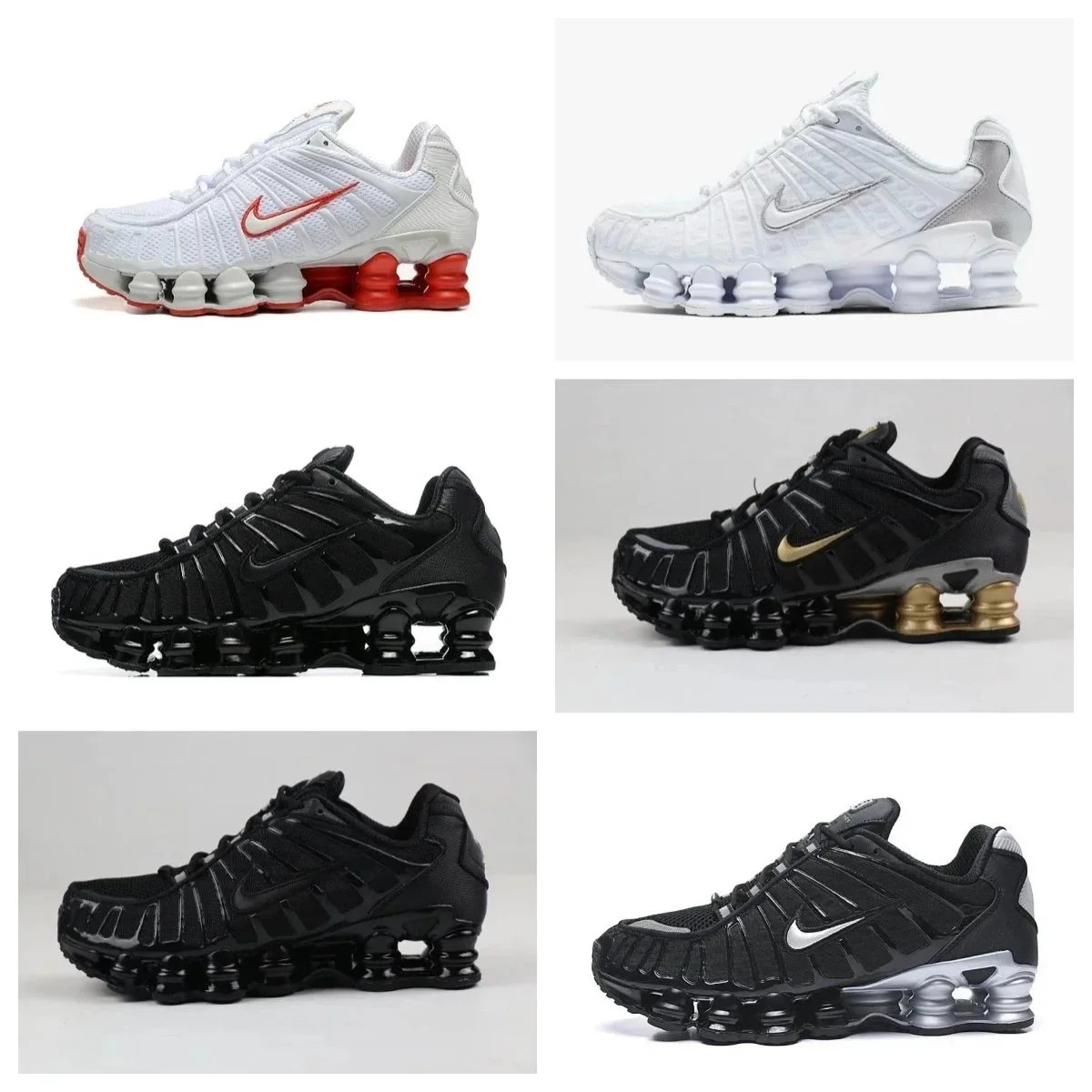
Casual Shoes | Oopbuy spreadsheet | MyCNBox spreadsheet | Sugargoo spreadsheet - 135681

Platform Casual Shoes | Hubbuycn spreadsheet | Fansbuy spreadsheet - 135441

Shoes XW21 Casual Shoes | Litbuy spreadsheet | CNShopper spreadsheet | JoyaGoo spreadsheet - 136147

Shoes Ph076 Breathable Running Shoes | CSSBuy spreadsheet | LoongBuy spreadsheet - 136150

PH Running Shoes | MyCNBox spreadsheet | Hubbuycn spreadsheet - 136149

Shoes 006-RS Classic Casual Shoes | Oopbuy spreadsheet | Kakobuy spreadsheet | Lovegobuy spreadsheet - 136148