Cafans Journal
Stories & FindsPinguBuy Guide: The Complete English CAFANS Handbook for Smart Shoppers
PinguBuy Guide: The Complete English CAFANS Handbook
If you have been searching for a reliable way to buy from Chinese marketplaces, this PinguBuy guide breaks down everything you need to know. PinguBuy is a shopping agent that helps international buyers purchase items from platforms like Taobao, Weidian, 1688, and JD.com, then consolidates them into a single parcel and ships worldwide. This CAFANS-style handbook walks you through the workflow, the tools, and the terms you will encounter along the way.
What Is PinguBuy?
PinguBuy acts as a middleman between you and Chinese sellers. You paste a product link, the agent purchases the item on your behalf, stores it in a warehouse, inspects it on request, and forwards it to your address. The service removes language barriers, payment obstacles, and shipping headaches. Beginners often start with a PinguBuy spreadsheet, a community-maintained list of verified product links organized by category, so they can browse curated finds without hunting through Chinese search pages.
Getting Started Step by Step
The first step is registration. Create an account, verify your email, and set up your shipping address. Next, deposit funds or connect a payment method such as a card or PayPal. Then paste a product URL into the search bar. PinguBuy automatically parses the item name, price, size, color, and seller information. Confirm the variant, add a remark if you need the seller to include extras, and pay. The agent buys the item and updates your order status.
When the parcel reaches the warehouse, you can request a quality check (QC) with photos. This is where a good PinguBuy shopping guide saves time: inspect the QC images, verify measurements against the size chart, and decide whether to keep, exchange, or return the item. Once everything is in the warehouse, select the items you want to ship, choose a logistics line, declare the value, and pay for international freight. Tracking updates appear in your dashboard until delivery.
Why Product Links Matter
Reliable PinguBuy product links are the backbone of a smooth order. A valid link points to the exact SKU, includes the correct batch or version, and matches the seller's current listing. Broken or outdated links cause failed purchases and refund delays. Always copy the link from the product page itself, not from a screenshot or an old forum post, and double-check the variant options before checkout.
The Spreadsheet Advantage
A PinguBuy spreadsheet typically lists item names, prices, seller ratings, batch notes, and QC references. Spreadsheets are popular because they let you compare batches, spot price drops, and share finds with a community. Use filters to sort by category, price range, or seller score. Bookmark rows you like, but verify the link still works before ordering, since sellers change listings frequently.
Essential Terms You Will Meet
Understanding agent jargon makes the process easier. Here are thirty related terms explained naturally throughout this handbook:
- Agent — the service that buys and ships for you.
- Warehouse — the storage facility holding your items.
- Consolidation — combining multiple orders into one parcel.
- Rehearsal — a pre-shipment packing estimate.
- QC photos — inspection images taken at the warehouse.
- Batch — a production run of a specific item version.
- Seller rating — a score reflecting seller reliability.
- Variants — size, color, and model options.
- Declared value — the amount written on customs forms.
- Customs — the authority checking imported goods.
- Tariff — a tax on imported items.
- Volumetric weight — shipping weight based on parcel size.
- Freight — the international shipping cost.
- Tracking number — the code used to follow your parcel.
- Insurance — optional coverage against loss or damage.
- Refund — money returned for failed or returned orders.
- Exchange — swapping an item for another variant.
- Return window — the deadline for sending items back.
- Service fee — the agent's commission per order.
- Domestic shipping — delivery from seller to warehouse.
- Coupon — a discount code applied at checkout.
- Deposit — prepaid balance in your account.
- Withdrawal — moving unused balance back to you.
- Line — a specific logistics route or carrier.
- Restricted items — goods banned from international shipping.
- Fragile handling — extra protection for delicate items.
- Order remark — notes sent to the seller or warehouse.
- QC album — the collection of inspection images.
- Stock status — whether an item is available.
- After-sales — support for problems after purchase.
Choosing a Shipping Line
Logistics lines differ in speed, price, and restriction lists. Economy lines suit heavy, low-value goods; express lines suit urgent parcels. Check the restricted items list before buying batteries, liquids, or branded goods. Compare volumetric weight against actual weight, because bulky items are charged by size. Adding insurance is wise for expensive orders, and a clear declared value reduces customs risk.
Common Mistakes to Avoid
New buyers often forget to check QC photos, ignore the return window, or order from low-rated sellers to save a few dollars. Others underestimate freight and end up paying more than expected. Use the PinguBuy guide workflow: verify links, read seller ratings, request QC, consolidate smartly, and track every parcel. Keep your spreadsheet updated and confirm stock status before paying.
Final Thoughts
PinguBuy makes overseas shopping accessible, but success depends on preparation. Rely on a trusted spreadsheet, valid product links, and a disciplined shopping guide routine. Master the thirty terms above, compare batches carefully, and plan shipping costs in advance. With this CAFANS handbook, your PinguBuy orders should arrive smoothly, affordably, and exactly as expected.
Editor's selection
Popular Products
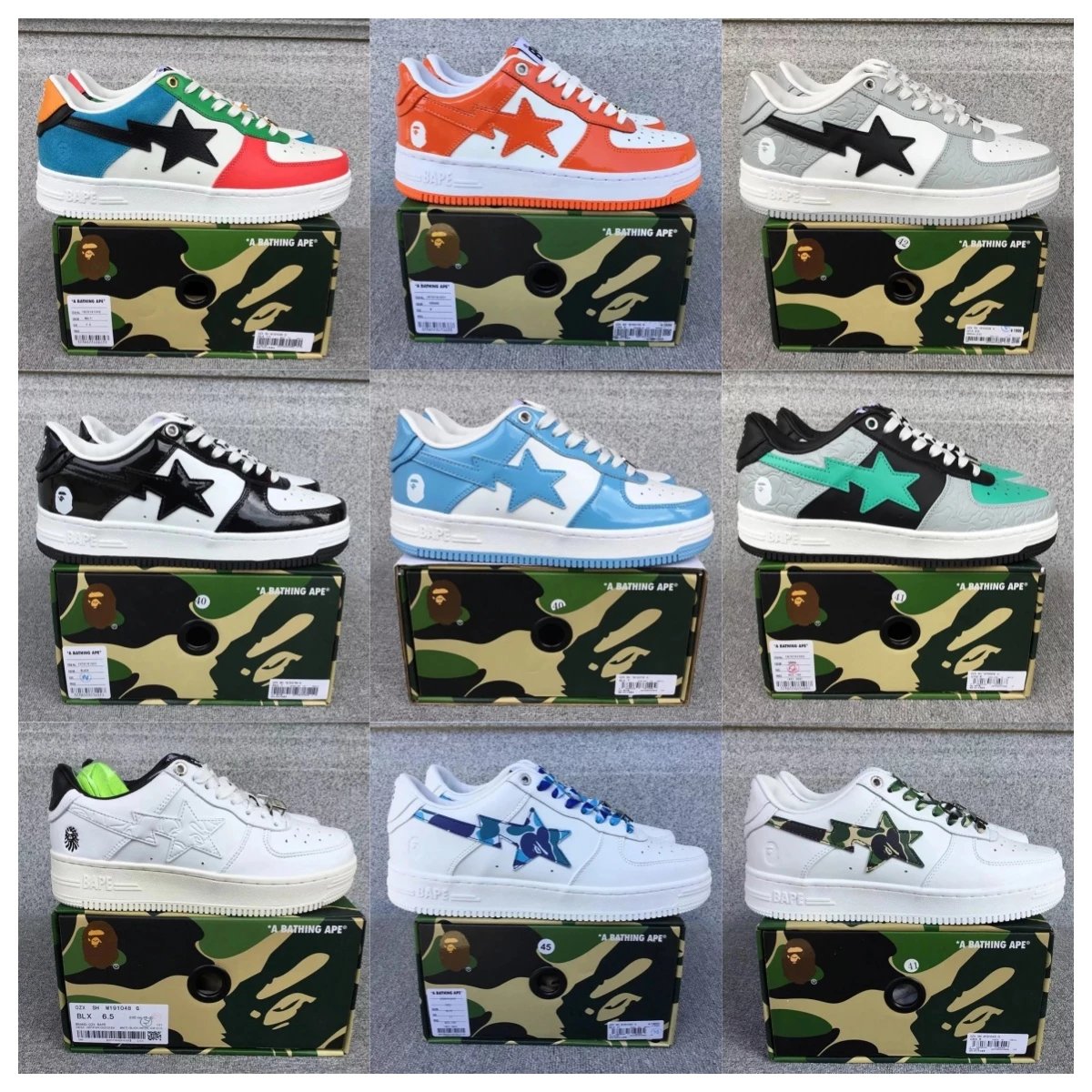
Skate Shoes SQ-002 | LoongBuy spreadsheet | Superbuy spreadsheet | Sugargoo spreadsheet - 141122
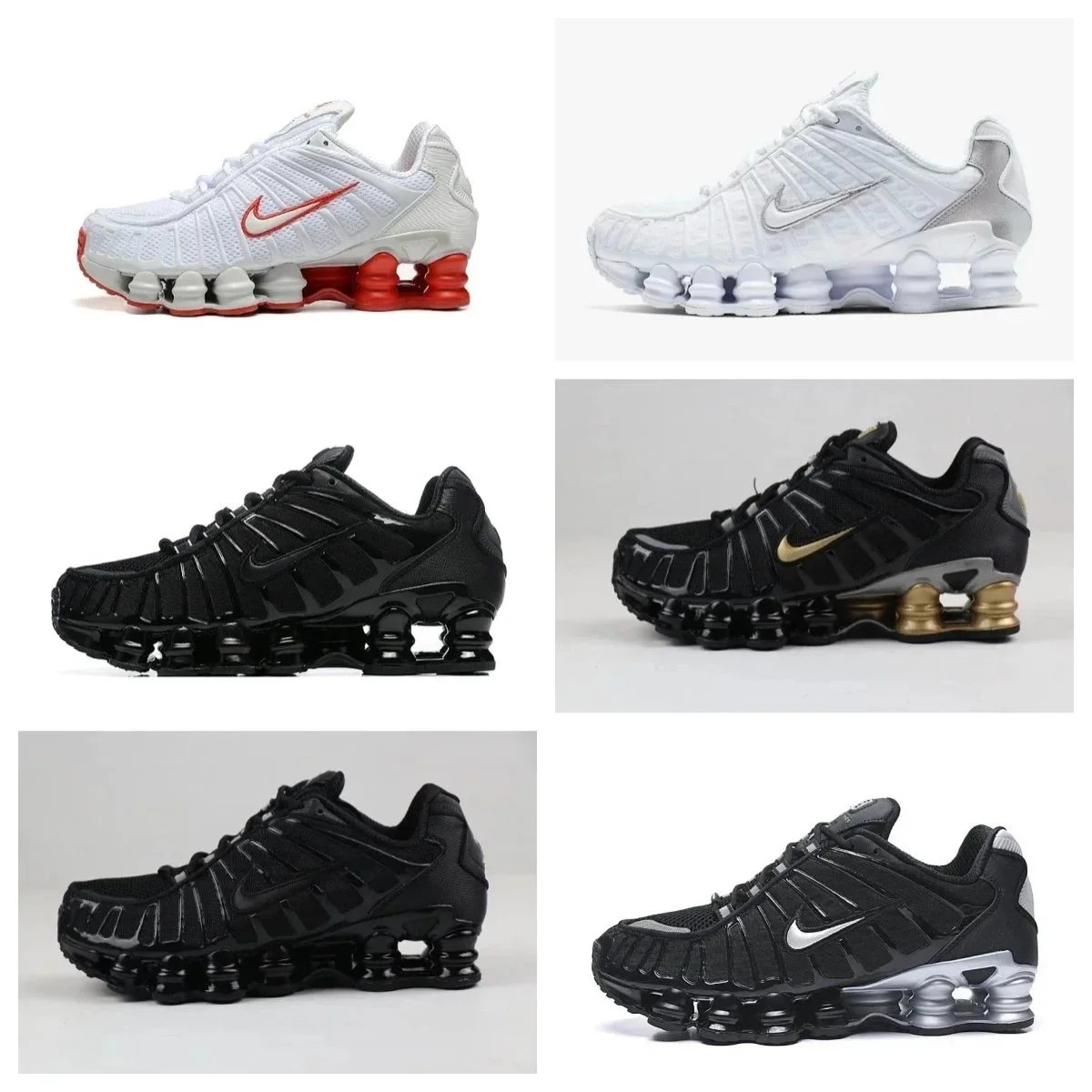
Casual Shoes | Oopbuy spreadsheet | MyCNBox spreadsheet | Sugargoo spreadsheet - 135681

Platform Casual Shoes | Hubbuycn spreadsheet | Fansbuy spreadsheet - 135441

Shoes XW21 Casual Shoes | Litbuy spreadsheet | CNShopper spreadsheet | JoyaGoo spreadsheet - 136147

Shoes Ph076 Breathable Running Shoes | CSSBuy spreadsheet | LoongBuy spreadsheet - 136150
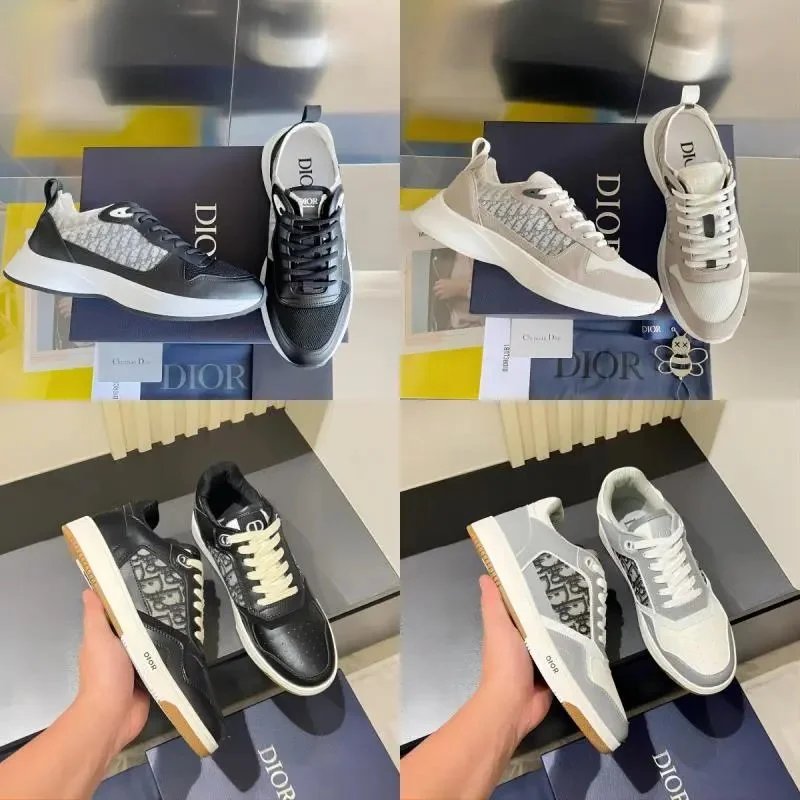
PH Running Shoes | MyCNBox spreadsheet | Hubbuycn spreadsheet - 136149

Shoes 006-RS Classic Casual Shoes | Oopbuy spreadsheet | Kakobuy spreadsheet | Lovegobuy spreadsheet - 136148