Cafans Journal
Stories & FindsParcel Up: The Complete CAFANS Guide to Smarter Parcel Management
What Is Parcel Up?
Parcel Up is a parcel management approach that helps shoppers, resellers, and small businesses organize shipments, track deliveries, and plan purchases in one place. In the CAFANS framework, Parcel Up sits at the center of your logistics workflow: it connects your orders, your forwarding address, and your final destination so nothing gets lost between checkout and doorstep.
This Parcel Up guide explains how to set up the system, how to use a Parcel Up spreadsheet, and how to get more value from Parcel Up product links and your day-to-day Parcel Up shopping guide routine.
Why Parcel Up Matters
Online shopping is easy; managing what happens after checkout is not. Parcels arrive from different stores, at different times, with different carriers. Without a system, you face missed deliveries, duplicate orders, unexpected customs fees, and storage charges. Parcel Up solves this by giving you a single source of truth for every shipment.
The benefits are practical:
- Visibility: every tracking number, carrier, and status sits in one dashboard.
- Cost control: you see shipping weight, consolidation savings, and storage deadlines before they cost you money.
- Better planning: you know what is in transit, what has arrived at the warehouse, and what still needs to be ordered.
- Fewer errors: a written record prevents duplicate purchases and wrong addresses.
Getting Started: A Step-by-Step Parcel Up Guide
Step 1 — Set Up Your Account and Address
Start by registering with your chosen parcel forwarding or consolidation service and noting your unique warehouse address and customer ID. Store these details in your Parcel Up spreadsheet immediately. The customer ID is the single most important field: without it, the warehouse cannot match a parcel to you.
Step 2 — Build Your Parcel Up Spreadsheet
A Parcel Up spreadsheet is the engine of the whole system. Create columns for: order date, store name, product description, order number, tracking number, carrier, declared value, weight, expected arrival date, warehouse status, consolidation batch, and final shipment date. Add a status column with simple values such as Ordered, In Transit, Received, Consolidated, and Shipped.
Use conditional formatting to highlight parcels that have been in transit too long or that are approaching a free storage deadline. Sort by expected arrival date so you always know what lands next.
Step 3 — Collect Parcel Up Product Links
When you browse stores, save Parcel Up product links in a dedicated tab. Include the URL, product name, size or variant, price at the time of viewing, and the store. Product links are useful for three reasons: they let you re-order exactly the right item, they document what you bought if a parcel arrives damaged, and they help you compare prices later.
Keep the link, the order confirmation, and the tracking number together. If a dispute arises, this trio is your evidence.
Step 4 — Track Every Shipment
Update tracking status at least twice a week. Most carriers offer notifications; enable them and forward the alerts into your records. Mark parcels as Received only after the warehouse confirms the weight and contents.
Step 5 — Consolidate and Ship
Consolidation is where Parcel Up saves real money. Group parcels that arrive close together, compare the cost of one combined shipment against several separate ones, and check volumetric weight. Repackaging to remove unnecessary boxes often reduces both weight and volume.
The Parcel Up Shopping Guide: Practical Habits
A Parcel Up shopping guide is only useful if it changes behavior. Adopt these habits:
- Plan orders in batches. Group purchases so they arrive within the same storage window.
- Check declared value rules. Know the customs threshold for your destination before you buy.
- Record weights. Compare the store's stated weight with the warehouse's measured weight to catch errors early.
- Avoid restricted items. Batteries, liquids, and aerosols often cannot be shipped by air; check before ordering.
- Set storage reminders. Free storage periods are generous but not endless.
- Review monthly. At month end, reconcile your spreadsheet against carrier records and bank statements.
Common Parcel Up Mistakes to Avoid
New users make predictable errors. The most common is forgetting the customer ID on the shipping label, which delays parcel matching by days. The second is over-insuring low-value goods while under-insuring expensive ones. The third is ordering the same item twice because the order was never logged in the Parcel Up spreadsheet. The fourth is ignoring dimensional weight, which can double the shipping cost of light but bulky items.
Another frequent issue is a mismatched address format. Always copy the warehouse address exactly as provided, including the phone number and postal code.
Scaling Up: Parcel Up for Resellers and Small Teams
If you buy in volume, add columns for supplier, cost per unit, and target resale price. Share the Parcel Up spreadsheet with your team using view-only permissions for most members and edit rights for one owner. This prevents conflicting updates and keeps your Parcel Up guide consistent.
Split large sheets into tabs: Orders, Tracking, Inventory, and Costs. Link them with formulas so a single status change updates all views. For heavier workloads, export the sheet to CSV regularly as a backup.
Final Checklist
- Account and warehouse address saved
- Parcel Up spreadsheet created with status tracking
- Parcel Up product links archived with order numbers
- Carrier notifications enabled
- Consolidation and storage deadlines diarized
- Monthly reconciliation scheduled
Parcel Up works because it turns scattered parcels into a managed pipeline. Follow this Parcel Up guide, keep your Parcel Up spreadsheet current, archive Parcel Up product links, and apply the Parcel Up shopping guide habits — and you will spend less, lose less, and always know where your parcels are.
Editor's selection
Popular Products
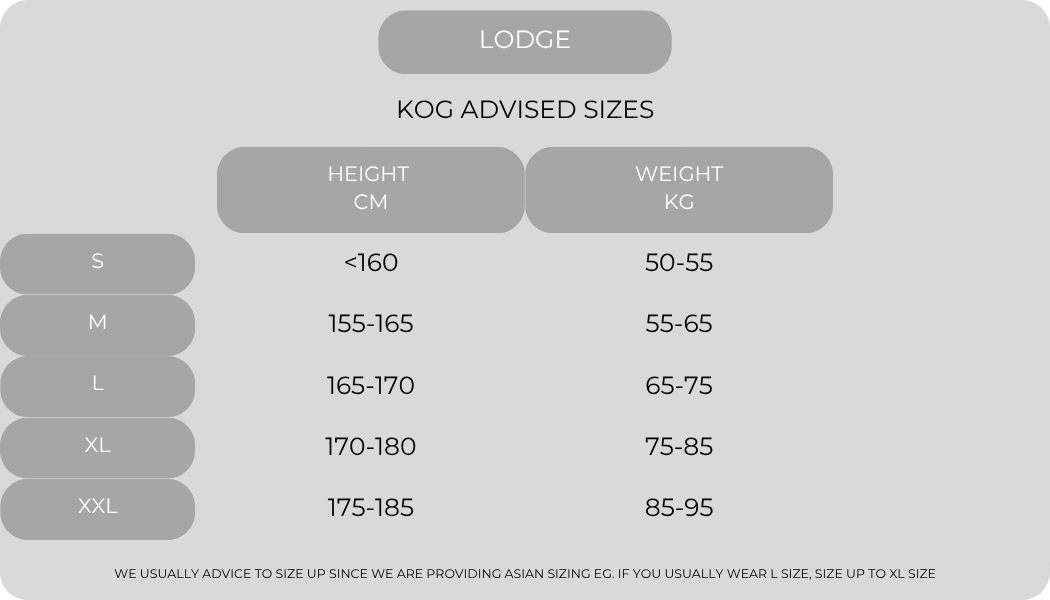
Catalog Item LODGE1200 Apparel | Litbuy spreadsheet | Hubbuycn spreadsheet | LoongBuy spreadsheet - 152120

Corteiz Apparel - Down Jacket | Litbuy spreadsheet | USFans spreadsheet - 156934
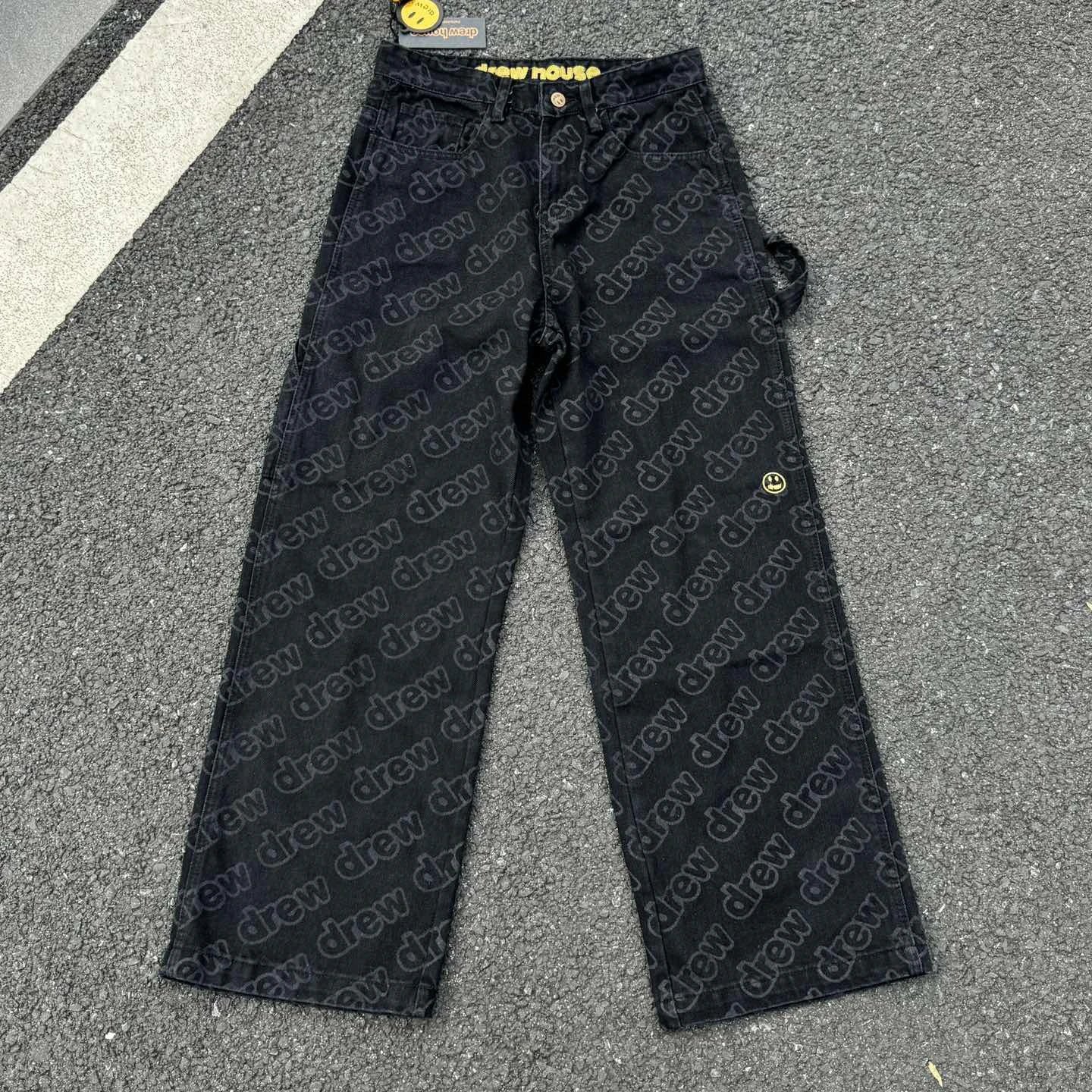
Drew Apparel - Denim Jeans | BBDBuy spreadsheet | MyCNBox spreadsheet | CSSBuy spreadsheet - 157460

Corteiz Apparel - Pants | Fansbuy spreadsheet | Sugargoo spreadsheet | BBDBuy spreadsheet - 157474

Chrome Hearts Apparel - Pants | LoongBuy spreadsheet | BBDBuy spreadsheet | CNShopper spreadsheet - 157475

Corteiz Apparel - Denim Jeans | Wheebuy spreadsheet | MyCNBox spreadsheet | Sugargoo spreadsheet - 157476

C.P. Company Apparel - Pants | Rizzitgo spreadsheet | Fansbuy spreadsheet | UIDBuy spreadsheet - 157478
