Cafans Journal
Stories & FindsCAFANS Guide: Using the Hipobuy Spreadsheet for Smarter Shopping
What the CAFANS Guide Covers
This CAFANS guide is written for shoppers who want a practical, repeatable method for navigating agent-style marketplaces. The centerpiece is the hipobuy spreadsheet, a shared catalog that collects product links, prices, sizing notes, and quality feedback in one place. If you have ever opened a marketplace and felt lost among hundreds of listings, the spreadsheet is designed to solve exactly that problem. It turns scattered hipobuy product links into an organized shortlist you can compare and verify before spending money.
Before going further, one clarification: this is an independent informational resource. It is not an official storefront, and it does not process orders. Think of it as a hipobuy guide that explains how to read the catalog, interpret community notes, and make better purchasing decisions.
Why a Spreadsheet Beats Endless Scrolling
Marketplace search results are noisy. Titles are inflated, photos are reused, and duplicate listings are common. A well-maintained hipobuy spreadsheet guide solves three problems at once:
- Comparison: products sit side by side, so you can compare price, batch, and seller reputation.
- Traceability: each row keeps its original link, so you can verify the listing is still live.
- Community signal: notes, QC comments, and update dates show what other buyers actually received.
Used properly, the spreadsheet becomes a hipobuy shopping guide in itself, because the structure teaches you what to look for.
Anatomy of the Hipobuy Spreadsheet
Most versions of the sheet follow a similar layout. Columns typically include:
- Category and subcategory — clothing, footwear, accessories, bags, home goods, electronics accessories.
- Product name and description — a plain-language summary rather than marketing copy.
- Product link — the original marketplace URL.
- Price range — listed in the local currency with an approximate conversion.
- Size and fit notes — measurements, fit comments, and known quirks.
- Batch or version — relevant when multiple production runs exist.
- QC notes and ratings — buyer feedback on materials, stitching, color accuracy.
- Last updated — a freshness timestamp you should always check.
Understanding these columns is the core of any serious hipobuy spreadsheet guide. A row without a date is a row you should treat with caution.
Step-by-Step: A Practical Hipobuy Guide
1. Start with categories, not keywords
Open the sheet and go straight to the category tab that matches your need. Browsing by category reduces impulse clicks and keeps your shortlist focused.
2. Verify every hipobuy product link
Click through before you commit. Listings expire, prices change, and options sell out. A link that worked last month may now redirect. Confirming each URL is the single most important habit in this hipobuy shopping guide.
3. Read the fit and QC notes twice
Size charts from sellers are often optimistic. Community measurements in the sheet are usually more reliable. Pay attention to words like “runs small,” “slim cut,” or “color slightly darker than photos.”
4. Compare across rows, not across tabs
Shortlist two or three candidates for the same item, then compare them in a single view. Price difference often reflects batch quality rather than seller markup.
5. Build your own copy
Duplicate the sheet or create a personal tab. Add columns for your budget, preferred seller, and order status. Treat the public sheet as a starting point and your private copy as the working document.
6. Re-check before checkout
Prices, shipping weights, and available colors change. A final verification pass takes two minutes and prevents most disappointments.
Reading Community Notes Without Being Misled
Community feedback is valuable but imperfect. A few habits keep you grounded:
- Prefer notes with photos and dates.
- Discount single extreme reviews in either direction.
- Look for patterns across multiple rows for the same seller.
- Remember that a positive QC note reflects one unit, not a guarantee.
A good hipobuy guide should tell you what the data cannot: that fit, fabric feel, and color are personal judgments.
Common Mistakes to Avoid
- Trusting stale rows. Always check the last-updated column.
- Ignoring shipping weight. A cheap item with heavy packaging can cost more overall.
- Buying from a single positive note. Cross-reference at least two sources.
- Skipping link verification. Dead links waste time and cause confusion.
- Overloading your first order. Start with a small test order to learn the process.
Adapting the Sheet to Your Own Budget
The hipobuy spreadsheet is most powerful when personalized. Add a budget column, a priority ranking, and a simple status tracker (shortlisted, verified, ordered, received). Over a few months, this turns a public catalog into a record of what actually worked for you. That personal layer is what separates a casual browser from an efficient shopper.
Final Thoughts
The CAFANS approach is simple: use the spreadsheet as a structured starting point, verify every link, read the notes critically, and keep your own record. Whether you call it a hipobuy spreadsheet guide, a shopping checklist, or a research notebook, the principle is the same — organized information leads to better decisions. Use this hipobuy guide as a framework, adapt it to your needs, and let the catalog do the heavy lifting so your budget goes further.
Editor's selection
Popular Products

Shoes Ph076 Breathable Running Shoes | CSSBuy spreadsheet | LoongBuy spreadsheet - 136150

Ni Vests, T-Shirt and Clothing Sets 1000 | JoyaGoo spreadsheet | Sugargoo spreadsheet - 141084
Outfit Set FL01-005ph Spring and Autumn Casual Clothing | Sugargoo spreadsheet | GTBuy spreadsheet - 136271
Clothing Set 1 | Oopbuy spreadsheet | BBDBuy spreadsheet | CSSBuy spreadsheet - 136873
Outfit Set MX16 Clothing Set | Hipobuy spreadsheet | Fishgoo spreadsheet - 137693

D All-Over Print Clothing Set | UIDBuy spreadsheet | Kakobuy spreadsheet | Hipobuy spreadsheet - 136221
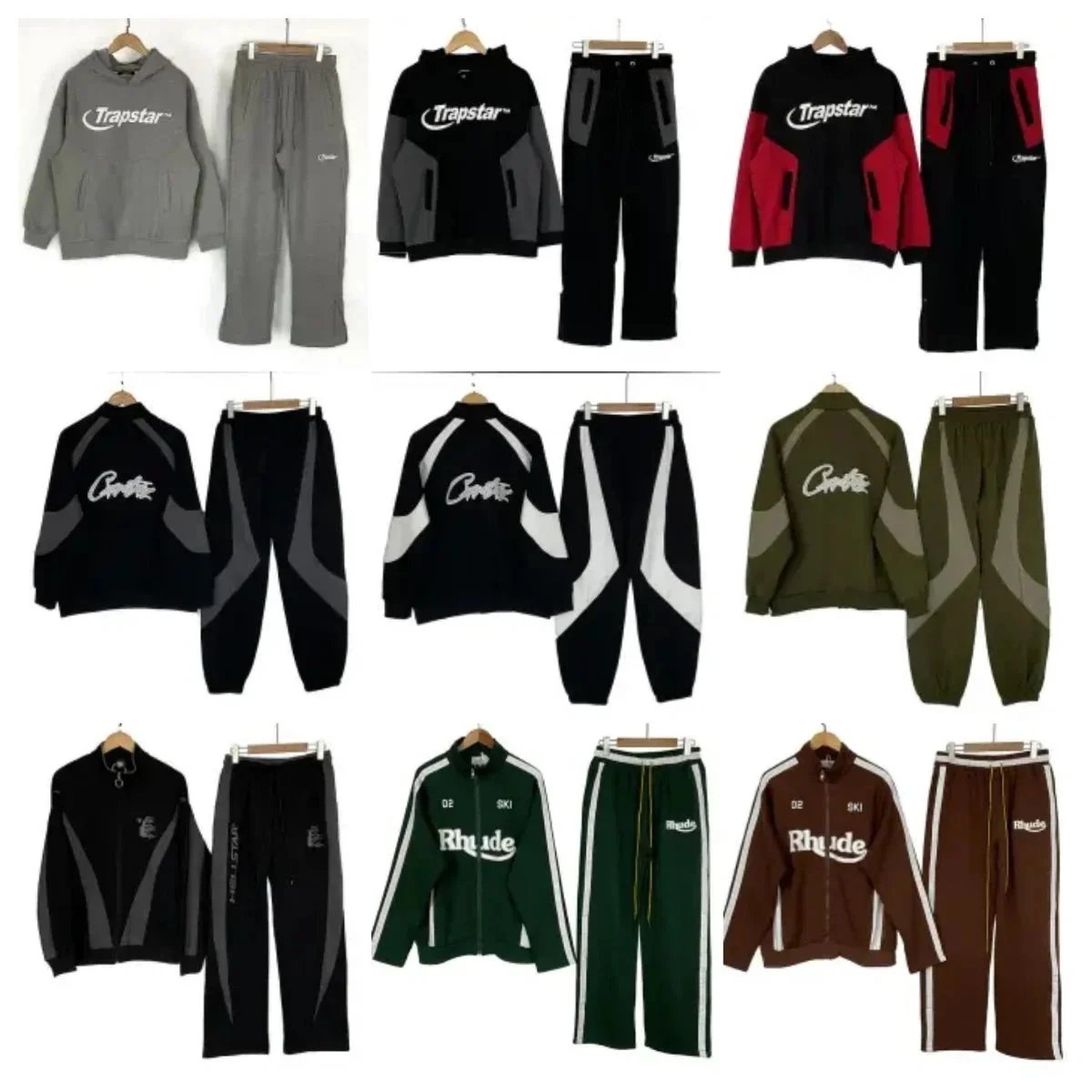
Outfit Set L-001 Casual Hip-Hop Clothing Set | GTBuy spreadsheet | Hubbuycn spreadsheet - 136248