Cafans Journal
Stories & FindsCAFANS Guide: Using a Superbuy Spreadsheet for Smarter Shopping
What Is CAFANS and Why Combine It With a Superbuy Spreadsheet?
CAFANS is a popular community-driven method for organizing finds from Chinese marketplaces and agent platforms. In practice, many shoppers pair CAFANS-style lists with a superbuy spreadsheet, because a spreadsheet turns scattered product links into one sortable, shareable catalog. If you have ever lost a good find in a chat group or bookmarks folder, a superbuy spreadsheet solves that problem by keeping every item, price, and size note in one place.
This superbuy guide explains how to build, read, and use a spreadsheet efficiently, how to handle superbuy product links, and how to avoid common mistakes. Whether you are new to agents or a seasoned buyer, the workflow below will save time and reduce errors.
What Is the Superbuy Spreadsheet?
A superbuy spreadsheet is a shared document, usually hosted on Google Sheets or a similar tool, that lists products available through the Superbuy agent service. Each row typically includes a product name, category, price in CNY, estimated weight, size chart notes, a QC (quality check) status, and a direct product link. Community curators update these sheets regularly, so the best superbuy spreadsheet files act like a living catalog.
Unlike a plain wishlist, a spreadsheet supports filters, sorting, and formulas. You can filter by category, hide sold-out rows, or calculate a rough total including domestic shipping. That is why the superbuy shopping guide community treats spreadsheets as the default starting point for any haul.
How to Read a Superbuy Spreadsheet Guide
A good superbuy spreadsheet guide should explain the column structure before you click anything. Typical columns include:
- Item name – the product title, often in English and Chinese.
- Category – shoes, hoodies, bags, accessories, home goods.
- Price – usually in CNY; convert with your own rate.
- Weight – estimated grams, essential for shipping estimates.
- Size info – whether the item runs small or large.
- Link – the marketplace URL you paste into the agent.
- Notes – QC flags, seller reliability, restock status.
When reading any superbuy spreadsheet guide, check the last-updated date first. A stale sheet may contain dead superbuy product links or outdated prices. Cross-check the seller rating and recent reviews before ordering.
Using Superbuy Product Links Correctly
Superbuy product links are the bridge between the spreadsheet and your order. Copy the marketplace URL from the row, paste it into the Superbuy search or link box, and confirm the variant, color, and size. Do not assume the spreadsheet price includes shipping; most rows show only the item cost.
A reliable superbuy guide will remind you to verify:
- The link still opens the exact product, not a store homepage.
- The selected SKU matches the row description.
- Domestic shipping to the Superbuy warehouse is stated or estimable.
- Weight estimates match the category, especially for bulky items.
If a superbuy product link is broken, note it in the sheet or report it to the curator. Keeping links clean is the core maintenance task of any superbuy spreadsheet.
Step-by-Step: From Spreadsheet to Warehouse
Follow this superbuy shopping guide workflow:
- Choose a sheet – pick a superbuy spreadsheet that is actively maintained and matches your interests.
- Filter and shortlist – use category filters and price sorting to build a shortlist of 10–20 items.
- Check sizes – read size notes and measure yourself; agent returns are limited.
- Paste links – submit each superbuy product link to your cart or order form.
- Confirm variants – select color, size, and quantity carefully.
- Pay and wait – items ship to the warehouse; track status in your account.
- Review QC photos – inspect stitching, logos, measurements, and flaws.
- Consolidate – combine items to reduce international shipping cost.
- Choose a shipping line – compare speed, price, and customs risk.
- Declare and ship – follow local rules and keep tracking.
Each step is faster when your superbuy spreadsheet already contains weight and size data. That is the practical value of a good sheet.
Maintaining Your Own Sheet
Many users start with a public sheet and then copy rows into a personal superbuy spreadsheet. Add columns for order date, warehouse status, QC result, and final shipped weight. Use conditional formatting to flag delayed items. A personal superbuy spreadsheet guide tab with your own notes becomes a reusable reference for future hauls.
Keep superbuy product links in a dedicated column so you can reorder favorites. Archive sold-out rows instead of deleting them; the data is still useful for size and weight comparison.
Common Mistakes to Avoid
- Trusting prices without checking the current listing.
- Ignoring weight; shipping can exceed item cost.
- Ordering without QC photos.
- Using outdated superbuy product links from an abandoned sheet.
- Assuming a spreadsheet row guarantees quality.
A cautious superbuy guide approach is to treat every row as a lead, not a guarantee. Verify, then buy.
FAQ
Is a superbuy spreadsheet free? Most community sheets are free; some curators offer premium updates.
Can I use any marketplace link? Only links supported by the agent will work; test before ordering.
How often are sheets updated? Good ones weekly or monthly; check the date.
What if an item is out of stock? Mark the row and look for alternatives in the same category.
Final Thoughts
A superbuy spreadsheet is the most practical tool for organized agent shopping. Combined with a clear superbuy guide, verified superbuy product links, and a disciplined superbuy shopping guide routine, it turns chaotic browsing into a repeatable process. Start with one well-maintained superbuy spreadsheet, follow the steps above, and refine your own superbuy spreadsheet guide as you learn.
Editor's selection
Popular Products

Skate Shoes SQ-002 | LoongBuy spreadsheet | Superbuy spreadsheet | Sugargoo spreadsheet - 141122
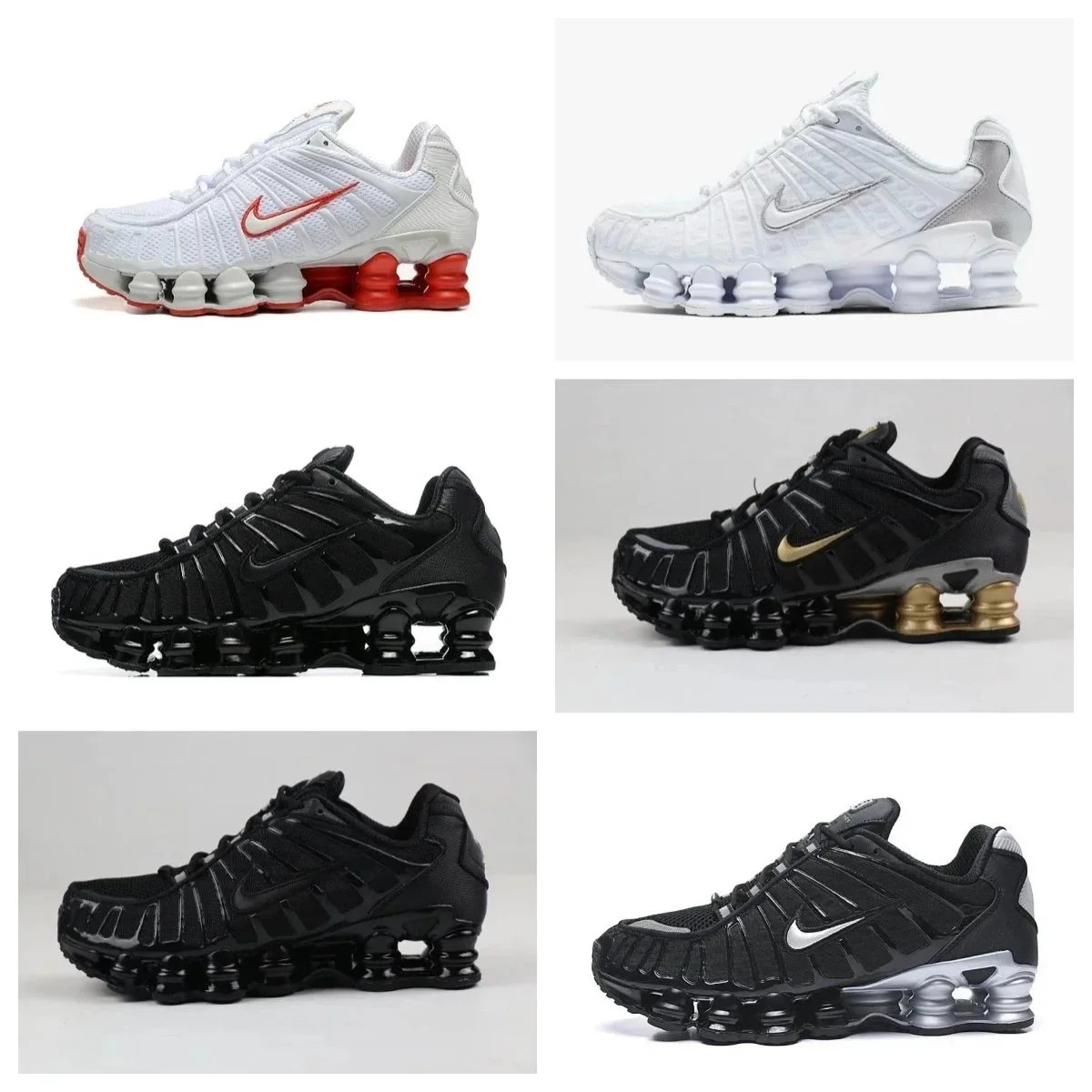
Casual Shoes | Oopbuy spreadsheet | MyCNBox spreadsheet | Sugargoo spreadsheet - 135681

Platform Casual Shoes | Hubbuycn spreadsheet | Fansbuy spreadsheet - 135441

Shoes XW21 Casual Shoes | Litbuy spreadsheet | CNShopper spreadsheet | JoyaGoo spreadsheet - 136147

Shoes Ph076 Breathable Running Shoes | CSSBuy spreadsheet | LoongBuy spreadsheet - 136150

PH Running Shoes | MyCNBox spreadsheet | Hubbuycn spreadsheet - 136149

Shoes 006-RS Classic Casual Shoes | Oopbuy spreadsheet | Kakobuy spreadsheet | Lovegobuy spreadsheet - 136148