Cafans Journal
Stories & FindsCAFANS Shopping Guide: Mastering the Litbuy Spreadsheet for Smarter Buys
Your Complete CAFANS Shopping Guide to the Litbuy Spreadsheet
If you have spent any time in the replica and fashion-agent community, you have probably heard the phrase "check the spreadsheet" more times than you can count. In 2024 and beyond, the litbuy spreadsheet has become one of the most talked-about resources for shoppers who want organized product data without drowning in scattered links. This CAFANS shopping guide walks you through what the litbuy spreadsheet actually is, how to read it, and how to use it alongside a solid litbuy guide to make confident purchases.
Whether you are a first-time buyer or a seasoned agent user, the following sections break down the essentials: understanding the tool, navigating product links, validating quality, and avoiding common mistakes. By the end, you should feel comfortable treating the litbuy spreadsheet as a genuine planning instrument rather than a rumor mill.
What Is the Litbuy Spreadsheet?
At its core, the litbuy spreadsheet is a community-maintained table of product listings. Instead of browsing hundreds of separate storefronts, you get a consolidated view: item names, categories, pricing ranges, size charts, and sometimes QC (quality control) notes or agent compatibility tips. Think of it as a curated catalog that sits between you and the sprawling marketplace.
The appeal is obvious. A good spreadsheet saves time, reduces the risk of buying from an unreliable seller, and gives you a reference point when comparing similar items. However, no spreadsheet is magic. It is only as good as its maintenance, and that is exactly why a proper litbuy guide matters. The sheet tells you what exists; the guide tells you how to interpret it.
The Litbuy Guide: How to Read the Sheet Like a Pro
A reliable litbuy guide should teach you three skills: filtering, cross-checking, and timing. Start with filtering. Most sheets include category tabs — sneakers, hoodies, bags, accessories, electronics, and so on. Do not scroll blindly. Identify the tab that matches your interest, then scan column headers for price, batch, and seller notes.
Next, cross-check. Any single row is just a starting point. Use the litbuy product links embedded in the sheet to open the original listing, then compare details such as material, sizing, and return policy against what the row claims. If a link is dead or redirects to a generic page, treat that row as outdated.
Finally, timing. Spreadsheets are living documents. A product that was a great value last season may now be sold out or replaced by a newer batch. Check the last-updated date if available, and prefer rows that reference recent batches. This habit alone will save you from most disappointment.
Using Litbuy Product Links Effectively
The litbuy product links are the connective tissue of the whole system. They take you from a tidy table into the messy reality of actual listings. Here is a practical routine:
- Open each link in a fresh tab and confirm the item matches the spreadsheet description.
- Check the seller's recent reviews and transaction history.
- Save the link and note any discrepancies in a personal file.
- If buying through an agent, paste the link into the agent's platform and verify the price conversion.
A common mistake is assuming that because a link appears in a spreadsheet, it is automatically safe. It is not. The link is a lead, not a guarantee. Treat every product link as the beginning of due diligence, not the end.
The Litbuy Shopping Guide: From Browsing to Checkout
This litbuy shopping guide section focuses on workflow. A clean workflow reduces errors and keeps your budget predictable. Follow these stages:
- Shortlist — Build a wish list of five to ten items from the sheet.
- Verify — Open the product links, check sizing charts, and read QC feedback.
- Budget — Add item cost, agent fees, domestic shipping, and international shipping. Many first-timers forget the last two.
- Order — Submit through your chosen agent, request QC photos, and review them before approving shipment.
- Ship — Consolidate parcels where possible and choose a line that matches your timeline.
Each stage deserves patience. The spreadsheet accelerates discovery, but it cannot replace judgment. If something feels off — an unusually low price, missing size info, or vague photos — skip it and move on.
The Litbuy Spreadsheet Guide: Maintenance and Community Signals
Behind every useful sheet is a community. A solid litbuy spreadsheet guide should mention how updates happen: contributors add rows, remove dead links, and flag sellers who change quality. You do not need to be a contributor, but you should recognize the signals of a healthy sheet. Frequent updates, clear sourcing notes, and transparent disclaimers are good signs. A sheet with no dates, no sources, and no corrections is a warning sign.
Also, beware of overhyped rows. Popular items attract attention, and sometimes that attention inflates expectations. Read the fine print, compare multiple rows for the same category, and look for consistency across sellers.
Practical Tips for CAFANS Shoppers
Here are habits that experienced shoppers swear by:
- Keep your own mini-spreadsheet of orders, QC results, and shipping times.
- Never rely on a single source; use the sheet as one input among several.
- Screenshot listings before ordering in case they change.
- Join community chats to ask about recent batches before committing.
- Review return and exchange policies before payment.
- Set a hard budget and stick to it — spreadsheets make it easy to overspend.
Final Thoughts
The litbuy spreadsheet is a genuinely useful tool when paired with a thoughtful litbuy guide and disciplined shopping habits. It organizes chaos, surfaces options, and saves time. But it is not a shortcut around due diligence. Use the product links wisely, follow a structured shopping guide, and treat the spreadsheet guide as a living reference rather than a rulebook. Do that, and your CAFANS shopping experience will be smoother, smarter, and far less stressful.
Editor's selection
Popular Products

Outdoor Casual Sneakers - Hipobuy spreadsheet - 141223

B22 B30 Unisex Classic Sneakers - UIDBuy spreadsheet - 135717

04 Classic Sneakers - LoongBuy spreadsheet - 135678
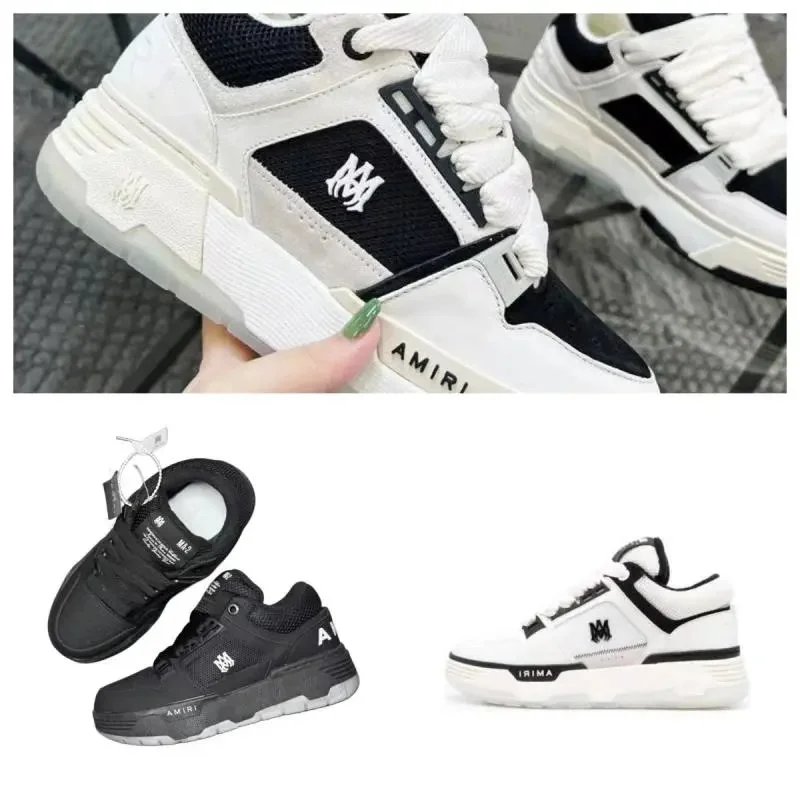
P-0100 Unisex Sneakers - Kakobuy spreadsheet - 136114

2025 Skate Sneakers - MyCNBox spreadsheet - 135965

BY03-CY Unisex Chunky Sneakers - Wheebuy spreadsheet - 141219

Ads Ultra Boost 20 Sneakers - Kakobuy spreadsheet - 135679
