Cafans Journal
Stories & FindsEnglish CAFANS Guide: ZentBuy Spreadsheet, Product Links, and Shopping Guide
This English CAFANS guide explains how to use ZentBuy as a practical shopping workflow. CAFANS refers to the community of international buyers who rely on agent platforms, spreadsheets, and curated product links to shop from Chinese marketplaces with confidence. ZentBuy sits at the centre of that workflow: it is the platform where you consolidate finds, verify sellers, and ship parcels. Below you will find a step-by-step process covering the ZentBuy spreadsheet, the ZentBuy guide mindset, ZentBuy product links, and a full ZentBuy shopping guide.
What Is ZentBuy?
ZentBuy is a shopping agent and parcel forwarding service. You paste a product URL from a marketplace, ZentBuy purchases the item on your behalf, stores it in a warehouse, and ships it internationally after quality inspection. For CAFANS users, the appeal is transparency: product links, QC photos, weight data, and shipping estimates all live in one dashboard.
Step 1: Build Your ZentBuy Spreadsheet
A ZentBuy spreadsheet is the backbone of an organised haul. Create columns for product link, item name, size, colour, seller rating, unit price, quantity, estimated weight, and QC status. Add a column for order status and one for parcel batch. Because ZentBuy product links often change, store the marketplace item ID beside each URL. Use conditional formatting to flag items awaiting inspection. A well-built ZentBuy spreadsheet prevents duplicate orders and helps you calculate volumetric weight before shipping.
Step 2: Collect Reliable ZentBuy Product Links
Product links are only useful if the listing is stable. Save links from sellers with strong ratings, recent reviews, and detailed size charts. Avoid links with no transaction history. When you paste a link into ZentBuy, confirm the variant, price, and domestic shipping fee before submitting. Keep a backup link for every item in your ZentBuy spreadsheet. CAFANS members often share product links in group chats and forums, but always verify the seller independently.
Step 3: Follow the ZentBuy Guide Workflow
A good ZentBuy guide covers four stages: sourcing, purchasing, inspection, and shipping. During sourcing, compare at least three sellers for the same item. During purchasing, pay attention to pre-sale timelines and stock availability. During inspection, review QC photos for stitching, colour accuracy, logos, and measurements. During shipping, compare line options by cost, speed, and customs risk. This ZentBuy shopping guide recommends batching lightweight items together and keeping fragile goods in a separate parcel.
Step 4: Apply the ZentBuy Shopping Guide to Shipping
Shipping is where budgets are won or lost. Weigh every item and record the figure in your ZentBuy spreadsheet. Compare actual weight with volumetric weight, because carriers charge whichever is greater. Declare values sensibly and choose a line that matches your country's import rules. Track your parcel and photograph the unboxing. If an item arrives damaged, submit a claim with your QC photos and order number immediately.
Step 5: Stay Safe and Organised
Use strong passwords and enable two-factor authentication on your ZentBuy account. Never share payment details in public forums. Keep receipts, order numbers, and tracking codes in one folder. Backup your ZentBuy spreadsheet to the cloud. Review your spreadsheet monthly and archive completed hauls.
Common Mistakes to Avoid
- Buying from unrated sellers because a link looked convincing.
- Skipping QC photos to save a day.
- Forgetting domestic shipping fees in budget calculations.
- Mixing restricted items into a standard parcel.
- Ignoring weight limits on economy lines.
Conclusion
ZentBuy rewards careful planning. Use the ZentBuy spreadsheet to track every item, verify ZentBuy product links before purchase, and follow this ZentBuy guide from sourcing to unboxing. With a disciplined ZentBuy shopping guide routine, CAFANS shoppers can build accurate budgets, avoid failed orders, and receive parcels with fewer surprises.
Editor's selection
Popular Products
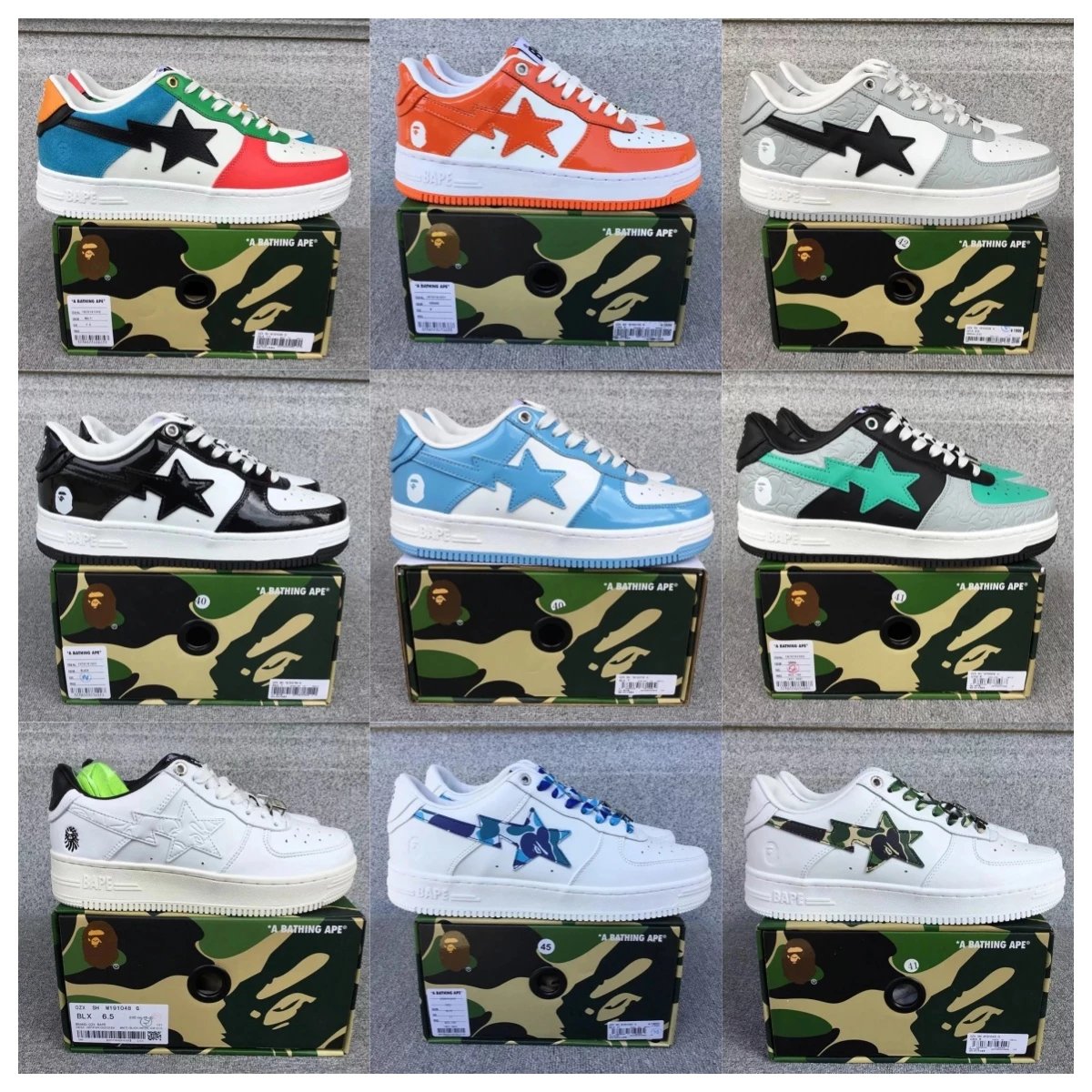
Skate Shoes SQ-002 - LoongBuy spreadsheet - 141122
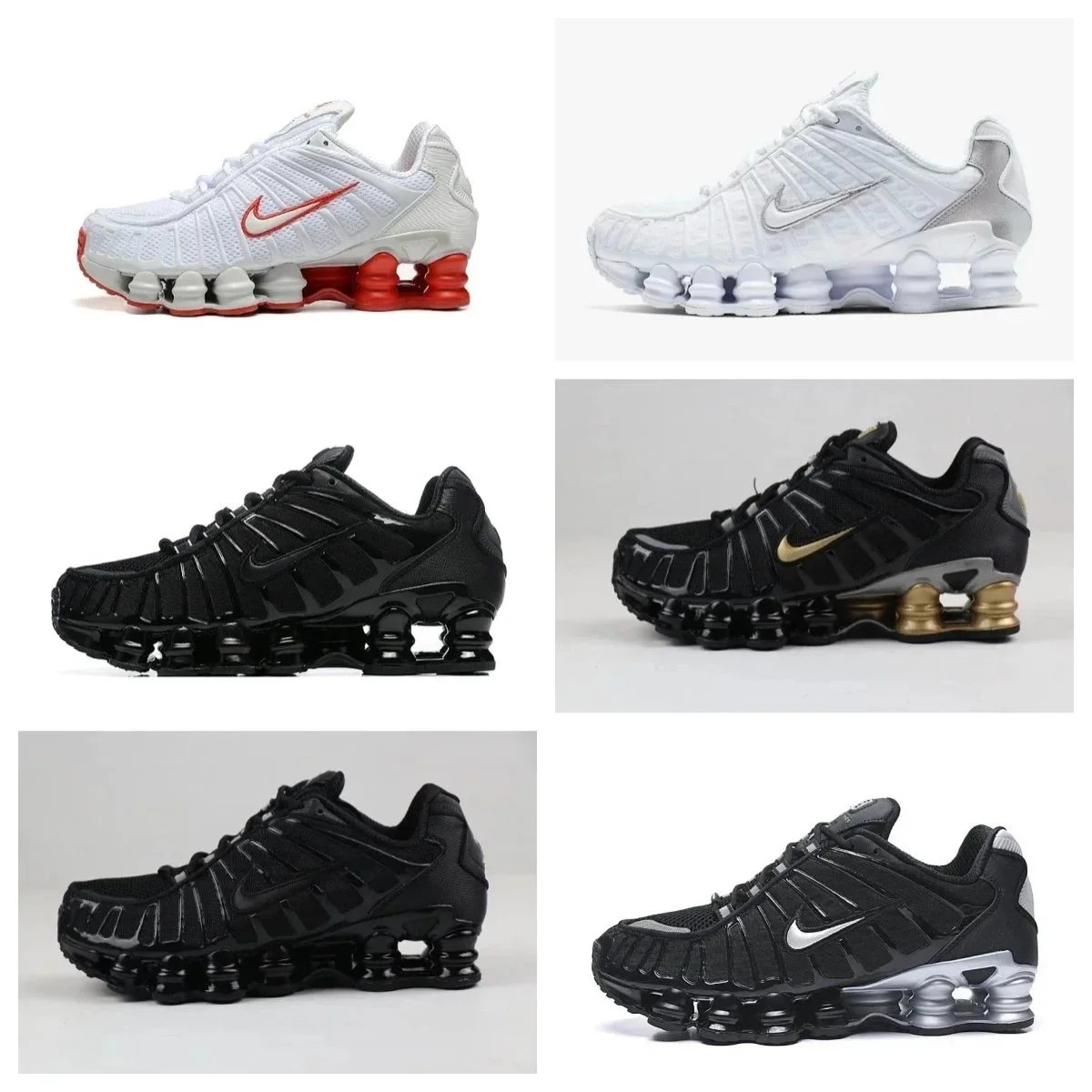
Casual Shoes - Oopbuy spreadsheet - 135681

Platform Casual Shoes - Hubbuycn spreadsheet - 135441

XW21 Casual Shoes - Litbuy spreadsheet - 136147
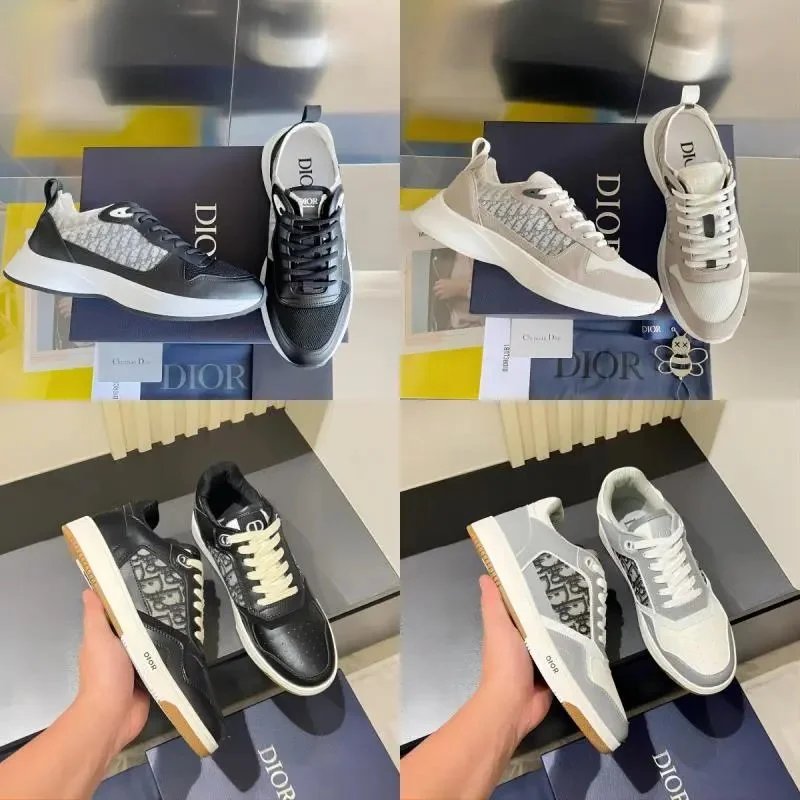
PH Running Shoes - MyCNBox spreadsheet - 136149

Ph076 Breathable Running Shoes - CSSBuy spreadsheet - 136150
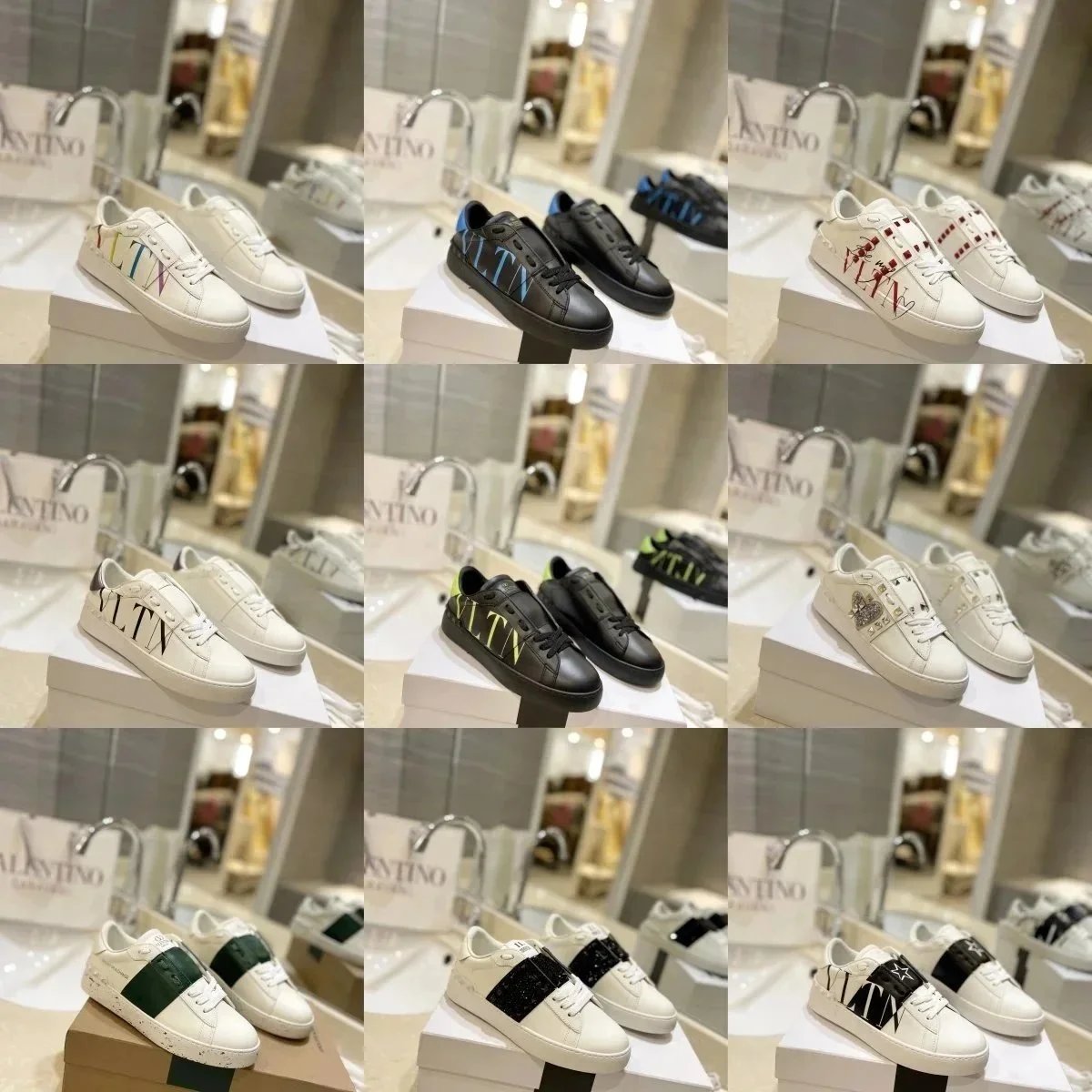
006-RS Classic Casual Shoes - Oopbuy spreadsheet - 136148