Cafans Journal
Stories & FindsSpanBuy CAFANS Guide: The Complete 2025 Walkthrough for Smart Shoppers
SpanBuy CAFANS Guide: The Complete 2025 Walkthrough for Smart Shoppers
If you have spent any time in the agent-shopping community, you have probably run into the term CAFANS. It sounds cryptic, but it is simply a shorthand way of describing the overall quality and service framework that makes an agent platform worth using. In this guide, we break down what CAFANS means in the context of SpanBuy, how to use the platform efficiently, and how tools like the SpanBuy spreadsheet and curated SpanBuy product links can transform a frustrating haul into a smooth, predictable experience.
What Is CAFANS and Why Does It Matter for SpanBuy?
CAFANS is best understood as a checklist mentality: Cost, Authenticity, Fulfillment, After-sales, Navigation, and Support. These six pillars cover everything a shopper cares about when buying through an agent. SpanBuy performs strongly across most of them, which is why so many buyers treat it as a default option for overseas hauls. The platform connects you to a massive catalog of marketplaces, and its warehouse and consolidation workflow keep shipping costs manageable when you combine multiple items.
Understanding CAFANS helps you set realistic expectations. No agent is perfect, but when you evaluate cost transparency, item authenticity checks, fulfillment speed, after-sales responsiveness, site navigation, and customer support together, you get a much clearer picture than any single review can provide.
The SpanBuy Spreadsheet: Your Shopping Command Center
The single most useful habit you can build is maintaining a SpanBuy spreadsheet. A well-structured sheet turns chaotic browsing into an organized operation. At minimum, include columns for the product name, item link, size or variant, price in the original currency, estimated weight, QC status, and order status. Add a notes column for seller communication and a running total for budget tracking.
Why does this matter? Because agent shopping involves many moving parts: multiple sellers, different shipping timelines, warehouse storage windows, and consolidation decisions. A spreadsheet lets you spot duplicate purchases, catch items that have been sitting in the warehouse too long, and compare the landed cost of each product once shipping is factored in. Many experienced users also keep a separate tab for a SpanBuy shopping guide checklist so they never forget steps like requesting extra QC photos or confirming measurement charts.
Finding Reliable SpanBuy Product Links
One of the biggest time-savers is building a personal library of trusted SpanBuy product links. Instead of searching from scratch every time, save links to sellers and items that have passed your quality bar. Organize them by category: footwear, outerwear, accessories, home goods, electronics accessories, and so on. When a new season arrives, you can revisit your saved links rather than gambling on unfamiliar listings.
Always verify that a link still points to the correct variant before ordering. Sellers occasionally recycle listings, so a link that once showed a specific colorway may now display something different. Cross-check the product title, images, and SKU details in your spreadsheet before checking out.
A Practical SpanBuy Shopping Guide
Follow this sequence for a clean, low-stress order:
- Browse and shortlist. Use the search and category filters to build a candidate list. Save candidates as links in your spreadsheet.
- Check seller metrics. Look at order volume, return rate, and buyer photos. Real customer images are the best authenticity signal.
- Confirm sizing and measurements. Request a size chart or measurement photos through the platform chat. Note the response in your sheet.
- Place the order and pay. Keep payment receipts and order numbers together for easy reference.
- Review QC photos carefully. Inspect stitching, logos, labels, and color accuracy. Ask for additional angles if anything looks off.
- Decide on returns early. If an item fails QC, request an exchange or return before the warehouse storage window closes.
- Consolidate and ship. Combine parcels to reduce per-kilogram cost, choose a line that matches your timeline, and track the shipment.
- Log the outcome. Record final weight, shipping cost, and satisfaction rating in your spreadsheet to refine future decisions.
Cost Control and Consolidation Tips
Shipping is usually the largest variable cost. Reusable packaging, removing shoe boxes, and consolidating multiple small orders into one parcel can meaningfully lower the total. Compare available shipping lines for both price and historical delivery performance. If you are buying fragile items, factor in protective packaging and consider whether the savings from a cheaper line are worth the risk.
Also watch currency conversion and payment fees. Small percentages add up across a large haul, so record them in your budget tab. Setting a hard budget ceiling before you start browsing is one of the simplest ways to avoid impulse spending.
After-Sales and Support Expectations
Even with careful planning, problems happen: a seller ships the wrong size, a package arrives damaged, or an item is missing from a consolidated parcel. Document everything with photos and keep communication concise and factual. Responsive support and clear evidence usually resolve issues faster. Build a small buffer into your budget for unexpected return shipping or replacement costs.
Final Thoughts
SpanBuy works best when you treat it like a project rather than a casual browse. The CAFANS framework gives you a mental checklist, the SpanBuy spreadsheet gives you control, and a curated set of SpanBuy product links gives you speed. Pair that with a disciplined SpanBuy shopping guide routine and you will consistently get better quality, lower landed costs, and far fewer surprises. Start with a small test order, refine your sheet, and scale up once your process feels reliable.
Editor's selection
Popular Products

Ph076 Breathable Running Shoes - CSSBuy spreadsheet - 136150

Men's Casual Shoes - CSSBuy spreadsheet - 135435

Casual Shoes - Kakobuy spreadsheet - 136046
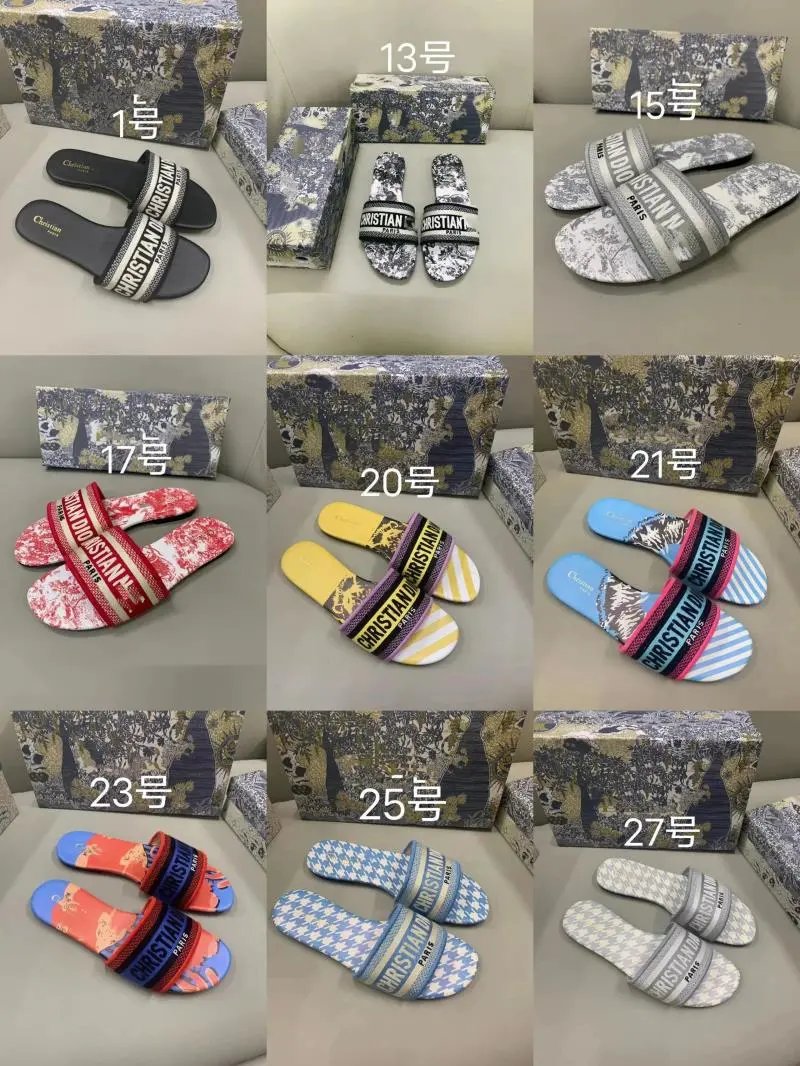
DS Slippers - Wheebuy spreadsheet - 135724

Outerwear Jacket - Rizzitgo spreadsheet - 136656

Outerwear Jacket - Sugargoo spreadsheet - 136623

Accessories - UIDBuy spreadsheet - 140922