Cafans Journal
Stories & FindsACBuy English CAFANS Guide: The Complete 1,000-Word Shopping Walkthrough
What Is ACBuy? A Plain-English Introduction
ACBuy is an international shopping agent platform that lets you buy from Chinese marketplaces such as Taobao, Weidian, and 1688 without needing a Chinese phone number, bank account, or local address. You paste a product link, ACBuy purchases the item on your behalf, stores it in a warehouse, and then ships it to your door after you consolidate your parcels. For newcomers, the entire flow can feel intimidating, which is exactly why this English CAFANS guide exists: it walks you through every stage in clear language, with practical tips you can act on immediately.
Think of ACBuy as your personal purchasing assistant in China. You handle discovery and decisions; the platform handles payment, quality inspection photos, storage, and international logistics. That division of labor is what makes the agent model so popular among overseas buyers looking for value, variety, and access to products that never appear on Western storefronts.
Your First Steps: Account Setup and Orientation
Start by registering an account with a valid email address. Verify your email, set a strong password, and complete any profile details the dashboard requests. Before you spend money, spend twenty minutes learning the interface: the order dashboard, the warehouse section, the parcel consolidation page, and the support ticket system. A little orientation now prevents costly mistakes later.This ACBuy guide recommends a simple ritual for every new user: browse the homepage, open the help center, and read the shipping calculator page. Understanding how weight, volume, and destination affect cost is the single most valuable piece of knowledge you can acquire early. Many first-time buyers overspend on shipping simply because they never checked the calculator before ordering.
If you are a spreadsheets person, keep a simple tracking sheet with columns for order date, item name, seller, price, domestic shipping, warehouse status, and parcel ID. An ACBuy spreadsheet does not need to be fancy; even a basic template turns a chaotic pile of orders into a manageable pipeline.
Finding Products: Links, Spreadsheets, and Search Habits
The fastest way to buy is to paste a product URL directly into the ACBuy search bar. But where do those ACBuy product links come from? Three reliable sources dominate: community-curated lists, social media haul posts, and marketplace search results you browse yourself. Community lists are popular because they often include QC notes and size advice from previous buyers.
Be careful with very cheap listings and suspiciously generic photos. Cross-check sellers by reading reviews, checking return policies, and looking at the store's transaction history. A good ACBuy shopping guide rule of thumb: if the price seems impossibly low and the listing has no real customer photos, treat it as a red flag.
Build your own reference library. Save links in categorized folders—clothing, accessories, home goods, electronics accessories, bags, shoes—so you can find them again. When you discover a reliable seller, note the store name; repeat purchases from trusted stores reduce risk dramatically.
The Ordering Process, Step by Step
Once you have a product link, submit it to ACBuy. The platform creates an order and shows the item price plus domestic shipping to the warehouse. Confirm the variant (color, size, model) carefully; agents buy exactly what you specify. Pay for the order, then wait for the purchase confirmation.
After the seller ships domestically, the item arrives at the ACBuy warehouse. This is where the quality inspection happens. You will typically receive photos of the item as received. Inspect them closely: check stitching, labels, measurements, and any visible defects. If something looks wrong, open a ticket quickly—time matters because return windows with sellers are short.
When all your items are in the warehouse, you can consolidate them into a single parcel. Choose your shipping line based on destination, weight limits, and whether you need tracking or faster transit. Declare accurately and follow the platform's guidance on customs documentation.
Shipping, Consolidation, and Cost Control
Shipping is usually the largest cost after the products themselves. Consolidation saves money because multiple items share one box, but beware of volumetric weight: bulky, light items can cost more than you expect. Remove unnecessary packaging when the option is available, and consider splitting very large hauls into two parcels if a single box exceeds line limits.
Compare shipping lines rather than defaulting to the first option. Transit time, tracking quality, insurance availability, and prohibited-item rules vary significantly. Read the line details before paying, and keep screenshots of your parcel contents in case you need to file a claim.
Quality Control and Dispute Resolution
QC photos are your safety net. Request extra photos for expensive items or anything with sizing risk. For clothing, ask for measurements; for accessories, ask for close-ups of hardware and stitching. If the item is defective or wrong, document everything with photos and contact support promptly.
Disputes go more smoothly when you are polite, specific, and evidence-driven. Reference your order number, describe the exact problem, and attach clear images. Most issues are resolved when the request is reasonable and timely.
Building a Smart Long-Term Workflow
Experienced buyers treat ACBuy as a system, not a one-off purchase. Maintain your ACBuy spreadsheet, review your saved ACBuy product links monthly, and prune sellers who repeatedly disappoint. Use the ACBuy guide pages and community discussions to stay current on shipping line changes and seasonal delays.
Finally, budget for the full landed cost—item price plus domestic shipping plus international shipping plus potential duties. A disciplined ACBuy shopping guide mindset focuses on total value, not sticker price. Do that, and the platform becomes a reliable, repeatable way to shop globally with confidence.
Editor's selection
Popular Products
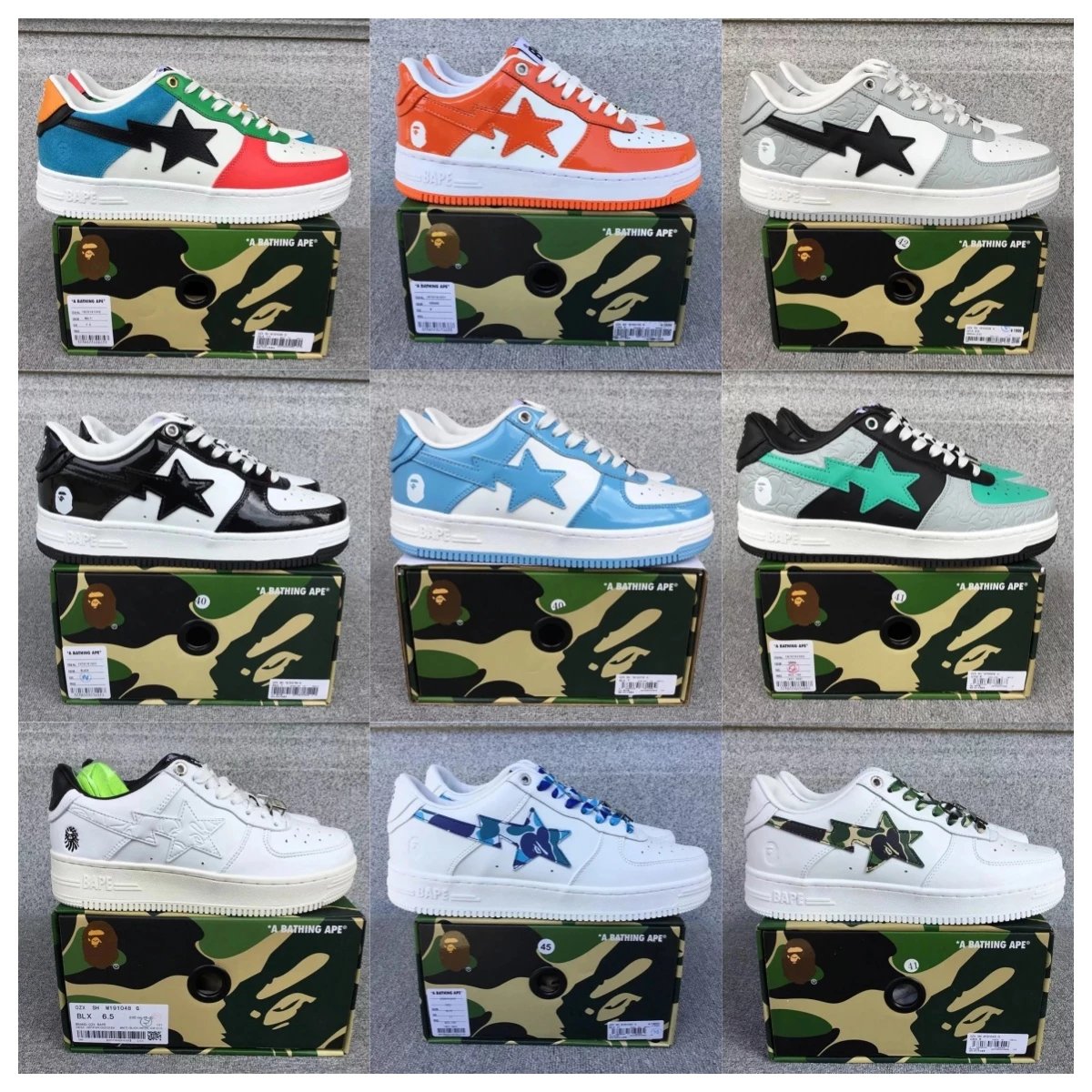
Skate Shoes SQ-002 - LoongBuy spreadsheet - 141122
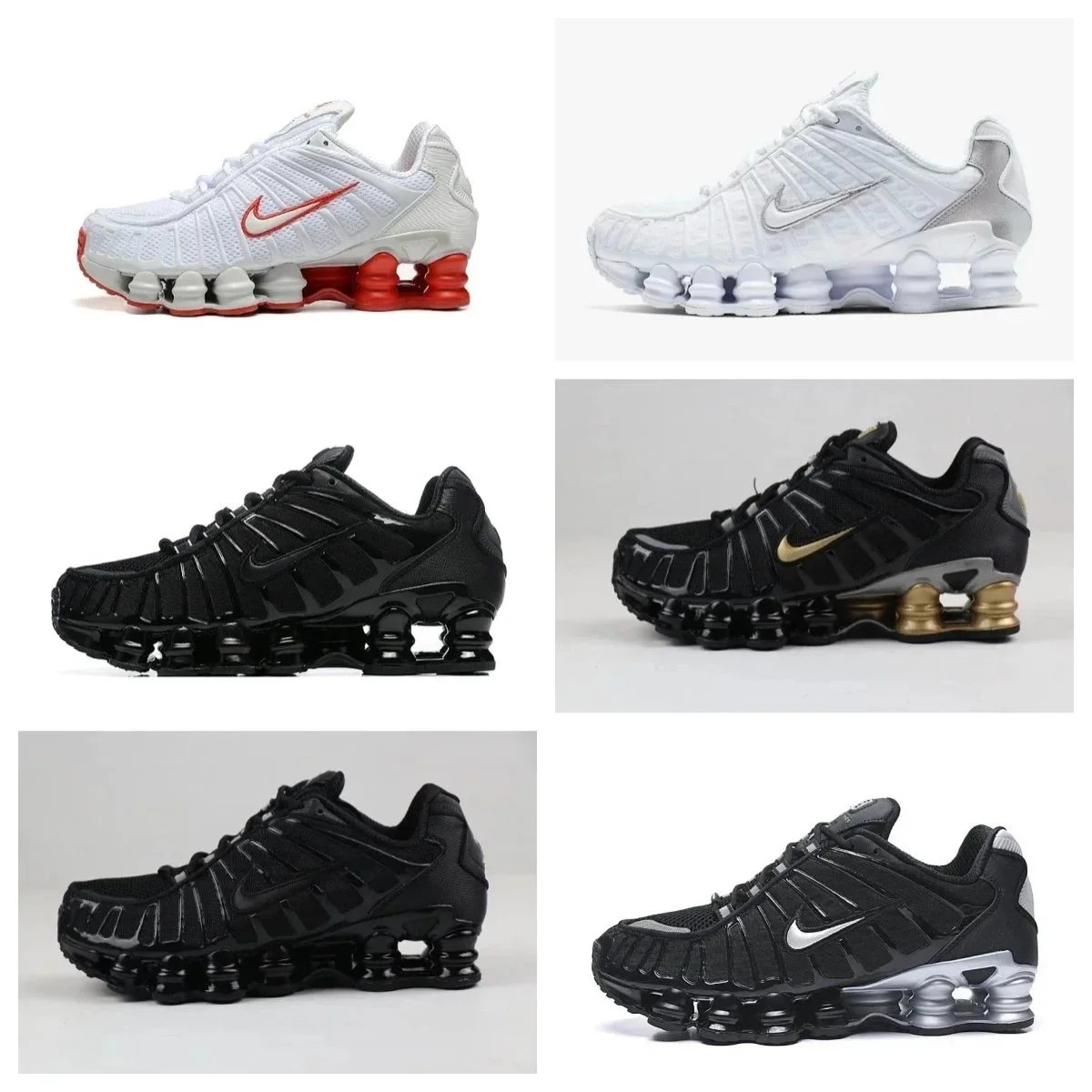
Casual Shoes - Oopbuy spreadsheet - 135681

Platform Casual Shoes - Hubbuycn spreadsheet - 135441

XW21 Casual Shoes - Litbuy spreadsheet - 136147
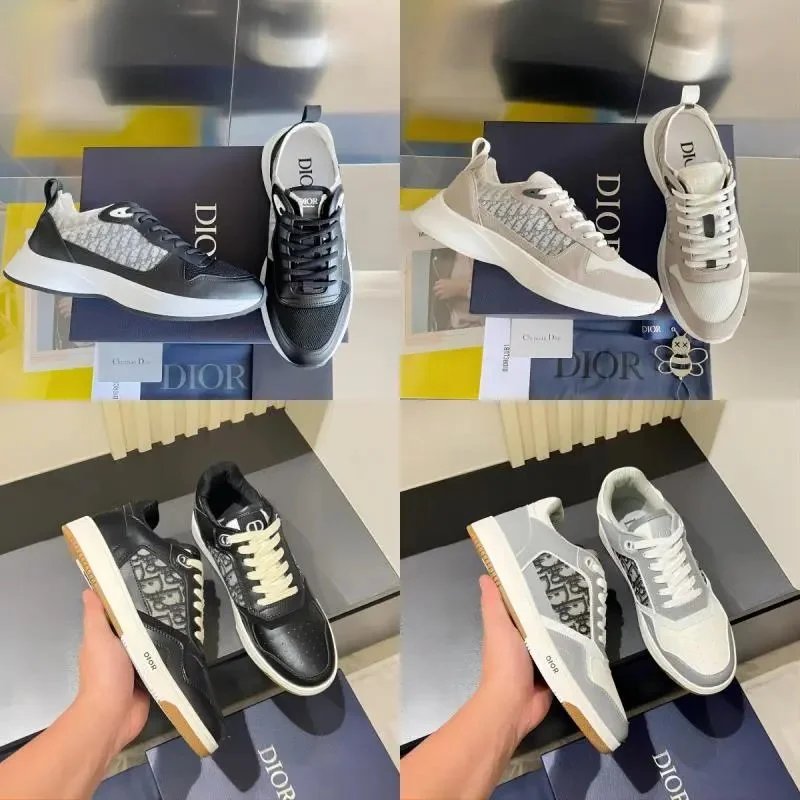
PH Running Shoes - MyCNBox spreadsheet - 136149
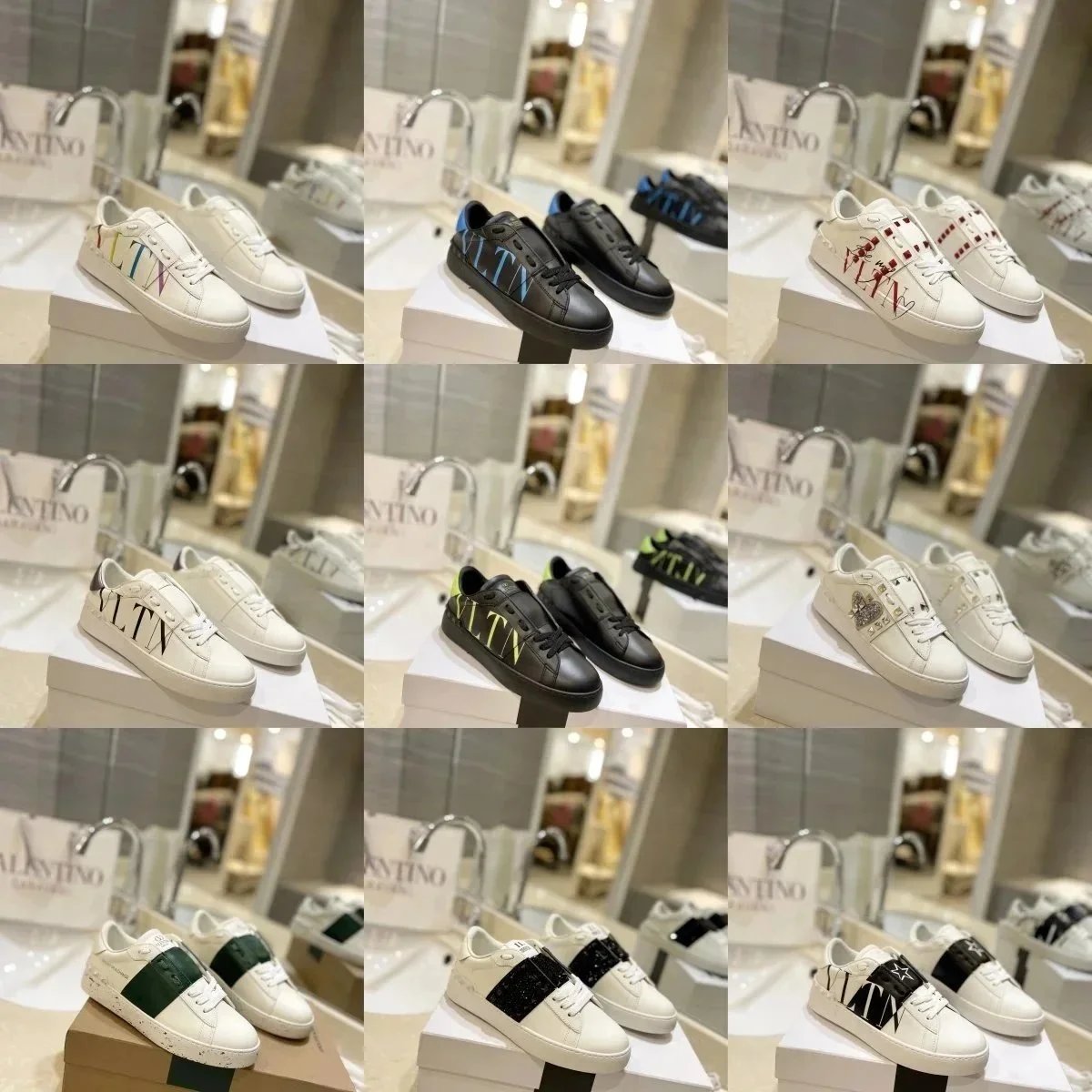
006-RS Classic Casual Shoes - Oopbuy spreadsheet - 136148
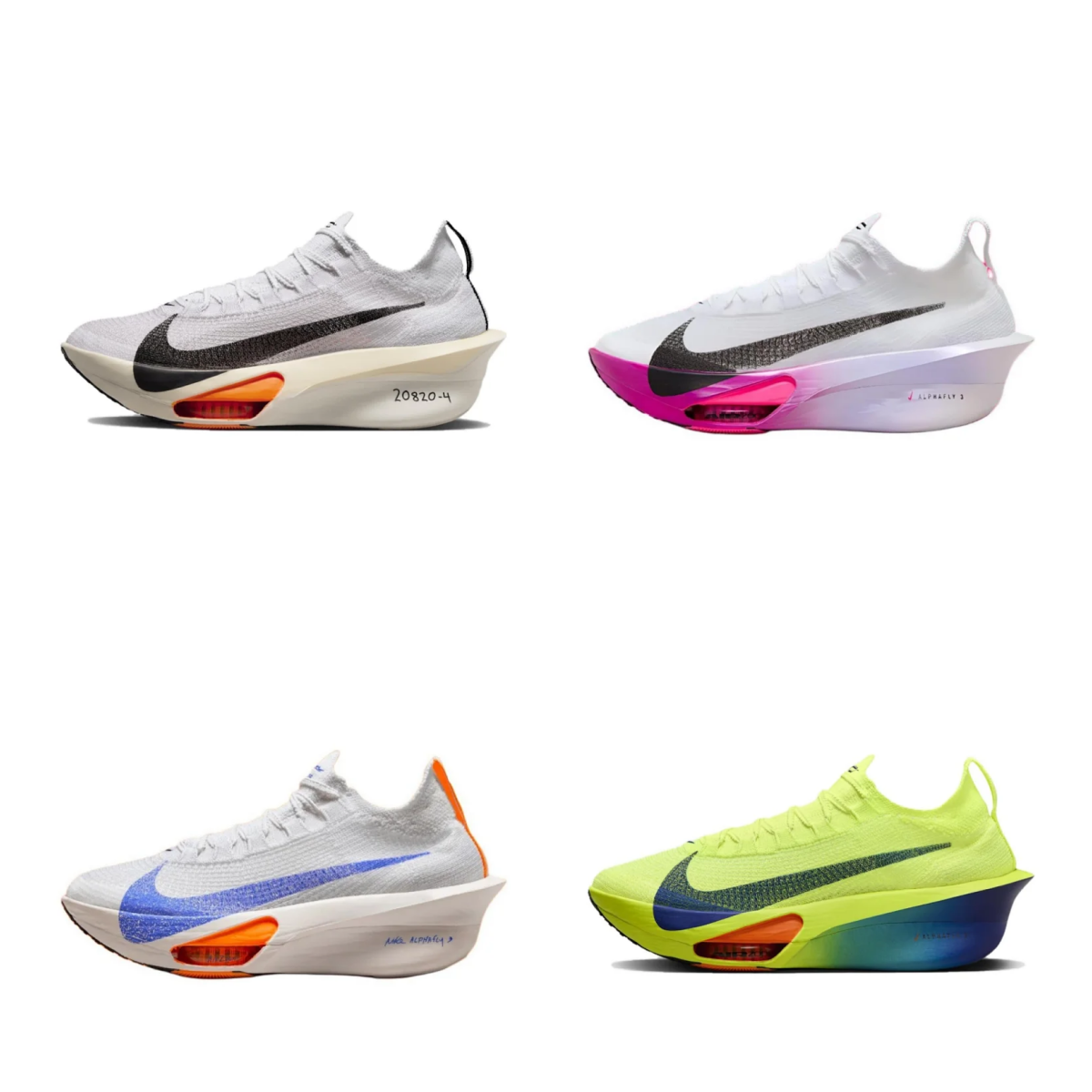
Ph076 Breathable Running Shoes - CSSBuy spreadsheet - 136150