Cafans Journal
Stories & FindsEnglish CAFANS Guide: The Complete Oopbuy Handbook for 2025
What Is Oopbuy and Why It Matters
If you have spent any time exploring international shopping platforms, you have likely come across Oopbuy. This English CAFANS guide breaks down everything a first-time buyer needs to know, from setting up an account to tracking parcels across borders. Oopbuy has grown quickly because it offers a mix of product discovery, competitive pricing, and a reasonably clear purchasing flow for overseas shoppers.
The platform is especially popular among buyers searching for budget-friendly apparel, accessories, and everyday gadgets. Understanding how it works saves both time and money, and this guide walks you through the essentials step by step.
Getting Started: Your First Oopbuy Shopping Guide
Every reliable Oopbuy shopping guide should start with account creation. Registration is straightforward: provide an email address, set a password, and verify your details. Once inside, the homepage presents categories, trending items, and search tools.
New users should take five minutes to explore the interface before buying anything. Familiarize yourself with the cart system, the wishlist function, and the order status page. This small investment prevents confusion later, especially when you have multiple parcels in transit.
It also helps to read the platform's shipping policy and return rules before placing a first order. Many frustrations reported by beginners stem from skipping these pages. A careful reader avoids most of them.
Using an Oopbuy Spreadsheet to Track Products
Experienced buyers often rely on an Oopbuy spreadsheet to organize purchases. A spreadsheet is simply a personal tracking document, and it can be as basic or detailed as you like. Common columns include product name, link, size, color, price, seller rating, order date, and delivery status.
Why bother? Because overseas orders can take weeks to arrive, and memory is unreliable. When you buy ten items across three orders, a spreadsheet keeps everything visible. It also helps you compare prices before checkout and spot duplicates you may have added by accident.
Many community members share spreadsheet templates with columns for QC (quality check) photos, agent notes, and shipping line details. Adapt any template to your own habits. A simple sheet is better than none.
Finding and Using Oopbuy Product Links
Accurate Oopbuy product links are the backbone of a smooth purchase. When you find an item you like, copy the full link from the product page and paste it into your spreadsheet. Avoid shortened links, which can expire or redirect incorrectly.
Always double-check that the link opens the exact variant you want—size, color, and model matter. If a seller updates a listing, the old link may point to a different product, so re-verify before paying. Buyers who save screenshots alongside links have an easier time disputing wrong shipments.
Bookmark categories you browse often, such as sneakers, hoodies, or phone cases. Quick access reduces the chance of losing a good find while comparison shopping.
A Practical Oopbuy Guide for First Orders
This Oopbuy guide section focuses on the ordering sequence. After adding items to your cart, review each entry carefully. Confirm the size chart, check seller ratings, and read recent reviews. Low-rated sellers with unusually cheap prices are a common trap.
Proceed to checkout, select your shipping method, and pay attention to estimated delivery windows. Economy lines are cheaper but slower; express lines cost more but reduce waiting anxiety. Choose based on urgency rather than habit.
Once the order ships, monitor the tracking number regularly. Screenshot tracking updates in case you need them for a dispute. If a parcel stalls for an unusual period, contact support early rather than late.
Payment, Shipping, and Customs Basics
Payment methods vary, but most international shoppers use cards or supported wallets. Confirm currency conversion fees before paying, as these can quietly add cost. Keep receipts for every transaction.
Shipping costs depend on weight, destination, and line. Consolidating multiple items into one parcel usually saves money, though it increases risk if a single item causes customs issues. Declare values honestly; misdeclaration can lead to seizure or fines.
Customs rules differ by country. Research your local thresholds for duty-free imports and keep documentation ready. A little preparation prevents unpleasant surprises at delivery.
Quality Checks and Returns
Many buyers request quality check photos before international shipping. Review these images closely for stitching, color accuracy, and defects. If something looks wrong, raise it immediately—fixing issues before dispatch is far easier than after arrival.
Return policies vary by seller and platform. Read them before ordering, and keep original packaging until you are satisfied. Document any problems with clear photos and polite messages. Patience and evidence resolve most disputes.
Common Mistakes to Avoid
First, don't rush checkout without verifying sizes. Second, don't ignore seller ratings. Third, don't lose track of links and order numbers. Fourth, don't assume all shipping lines are equal. Fifth, don't skip reading the FAQ and policy pages.
Finally, avoid over-ordering during sales events. Discounts are tempting, but impulse buys often lead to returns and wasted shipping fees. Plan purchases around genuine needs.
Final Tips for Smart Shopping
Set a monthly budget and stick to it. Use your spreadsheet to review spending patterns. Follow community discussions for updated shipping line performance and seller reliability. Compare prices across sellers before committing.
Keep communication concise and polite when contacting support, and always include order numbers. Save all confirmations in one folder.
With these habits, Oopbuy becomes a manageable and often rewarding shopping channel. Start small, learn the flow, and scale up as your confidence grows. This English CAFANS guide gives you the foundation—now put it into practice.
Editor's selection
Popular Products
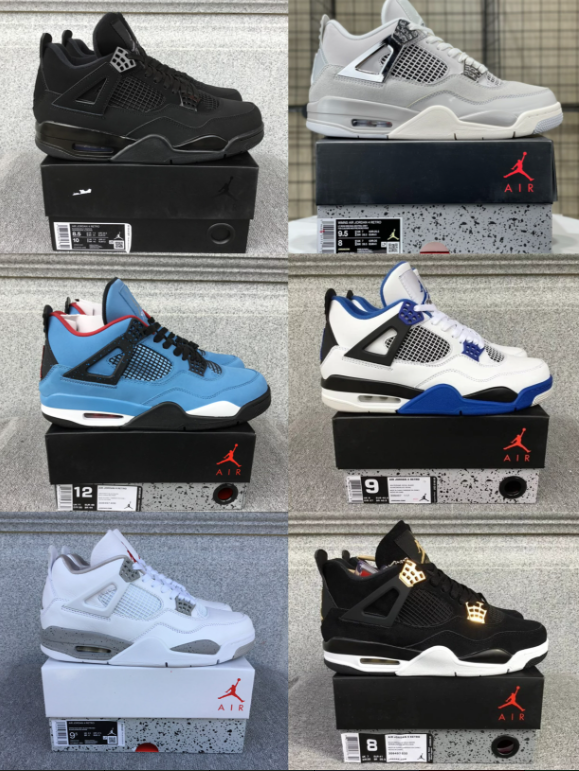
Outdoor Casual Sneakers - Hipobuy spreadsheet - 141223
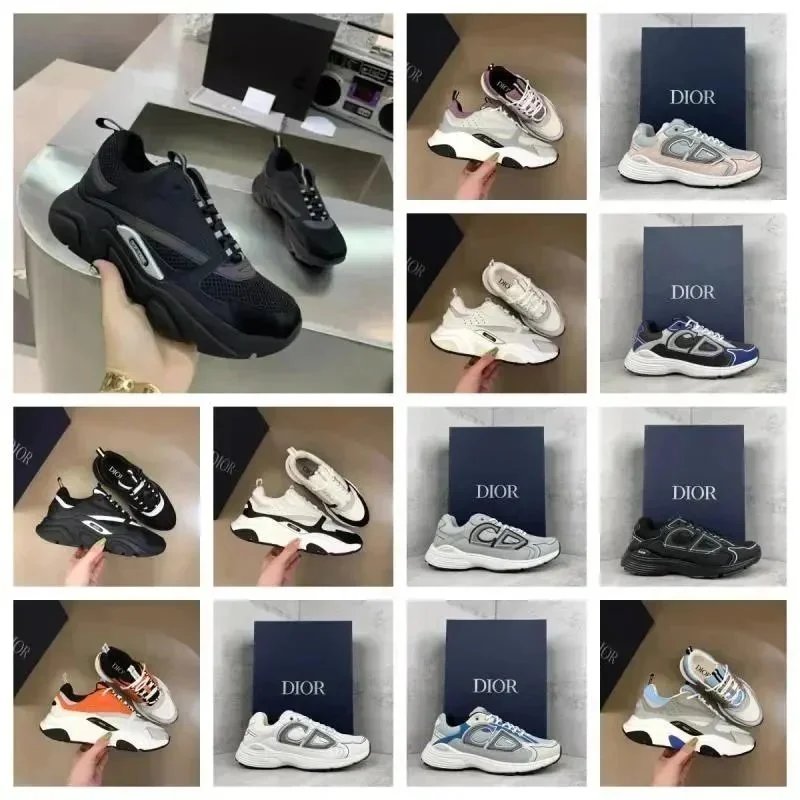
B22 B30 Unisex Classic Sneakers - UIDBuy spreadsheet - 135717
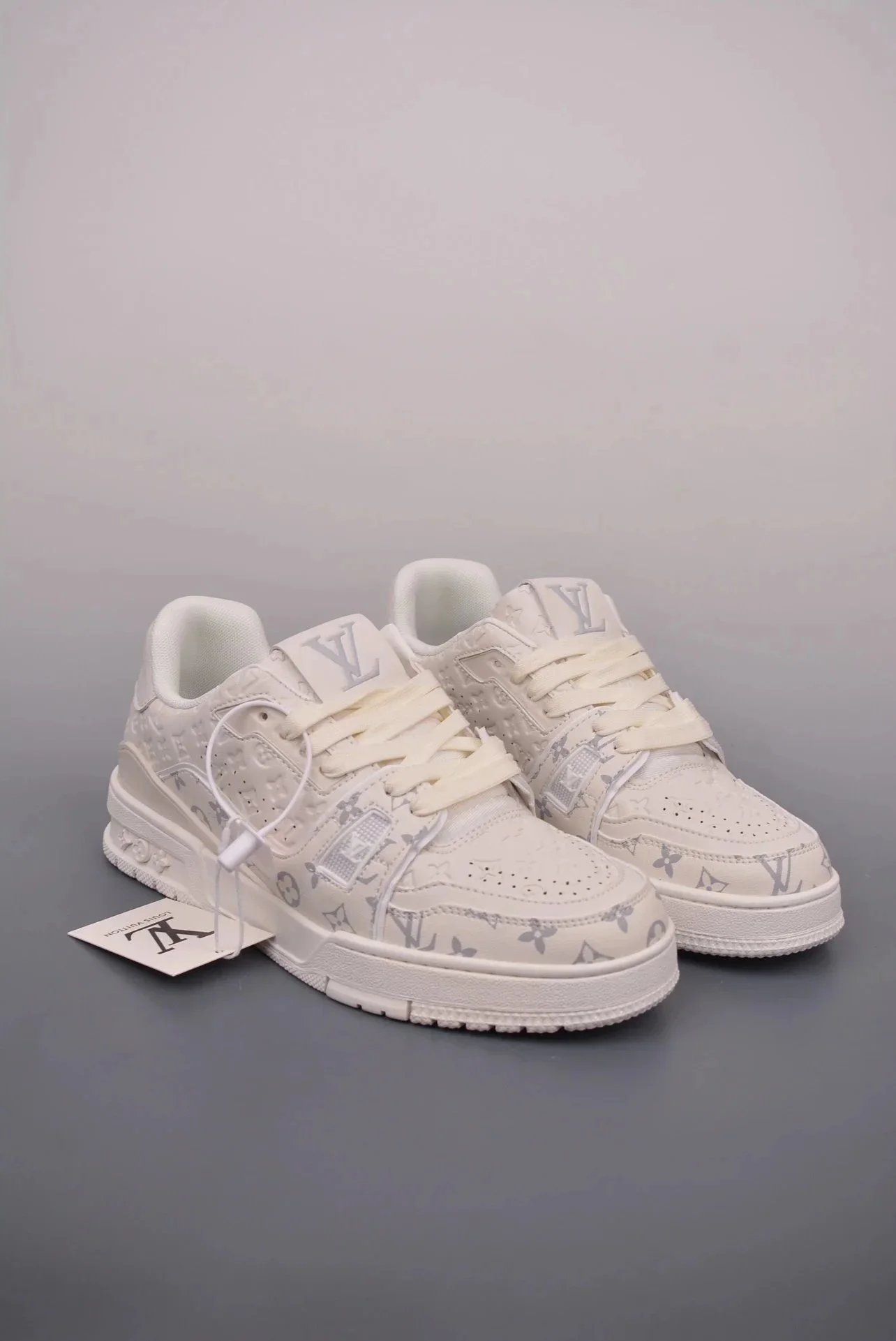
04 Classic Sneakers - LoongBuy spreadsheet - 135678
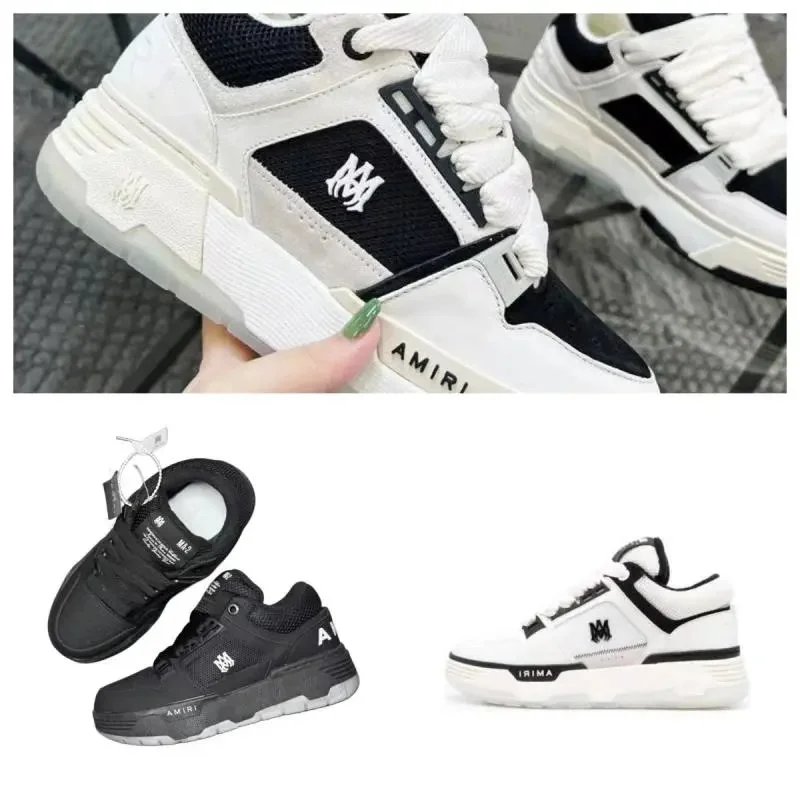
P-0100 Unisex Sneakers - Kakobuy spreadsheet - 136114

2025 Skate Sneakers - MyCNBox spreadsheet - 135965
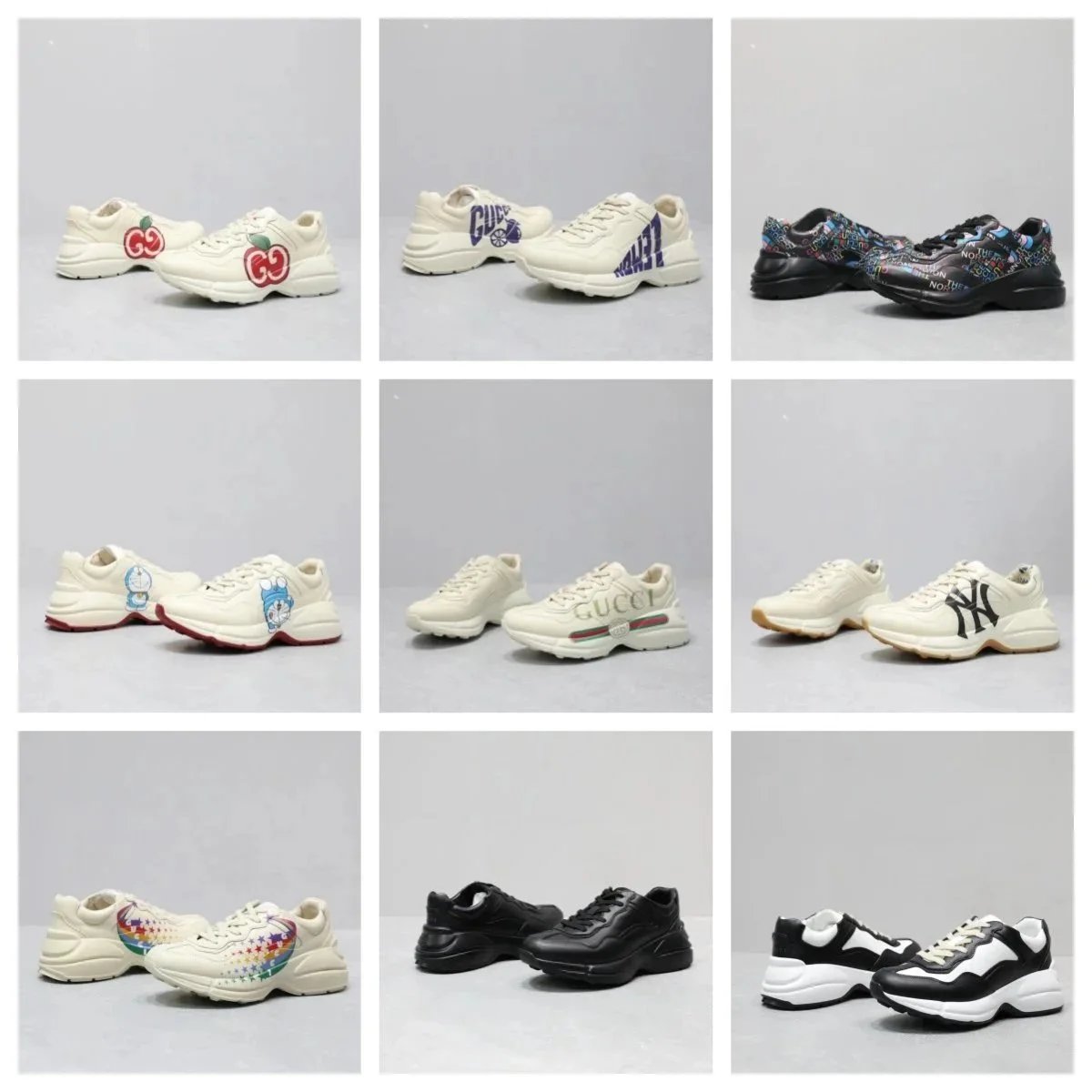
BY03-CY Unisex Chunky Sneakers - Wheebuy spreadsheet - 141219
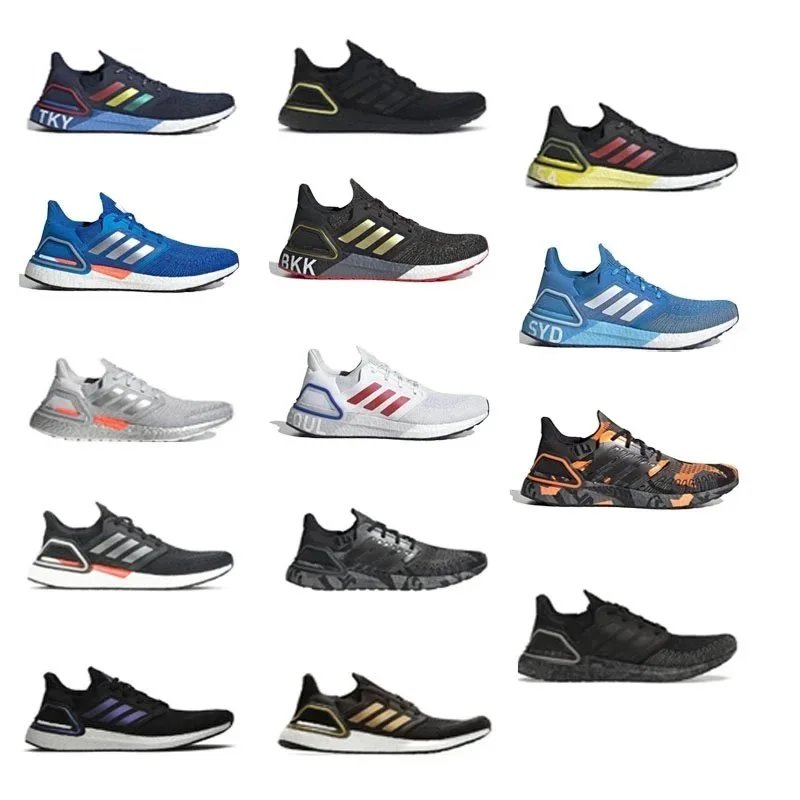
Ads Ultra Boost 20 Sneakers - Kakobuy spreadsheet - 135679
