Cafans Journal
Stories & FindsOOTDBuy CAFANS Guide: Building a Smarter Shopping Spreadsheet
If you have spent any time in fashion resale communities, you have probably seen the name OOTDBuy come up. It is a shorthand reference for a way of organizing outfit-of-the-day finds, agent purchases, and wishlist links into one trackable system. This CAFANS guide explains how the method works, how to build your own OOTDBuy spreadsheet, and how to turn a messy list of links into a reliable OOTDBuy shopping guide you can actually use.
What CAFANS Means in Practice
CAFANS is a simple memory framework: Collect, Assess, Filter, Arrange, Note, Share. Each step maps to a real task in the OOTDBuy guide workflow. You collect OOTDBuy product links from storefronts, assess them against budget and fit, filter out duplicates and dead listings, arrange them into categories, note key details such as size and price, and share the sheet with friends or buying partners.
The framework matters because resale shopping is chaotic. Listings disappear, prices shift, and sizing charts vary between sellers. A structured sheet keeps every decision visible and reversible.
Step 1: Collect Reliable Product Links
Start by creating a single intake tab. Every time you find an item, paste the OOTDBuy product links into one column rather than scattering them across bookmarks and chat apps. Include the date you found the link, because stale listings are the most common source of wasted time.
Useful columns at this stage include:
- Item name and category
- Direct link
- Seller or platform
- Listed price and currency
- Date added
- Screenshot reference
Screenshots are underrated. When a listing is edited or removed, a saved image preserves the original price, measurements, and condition notes.
Step 2: Assess Fit, Fabric, and Value
The second CAFANS step is assessment. Add columns for measurements, material, and color. Compare seller measurements against a garment you already own and love, rather than against your body measurements alone. This single habit reduces returns dramatically.
Value assessment should include shipping, agent fees, and potential customs charges. A cheap item with heavy shipping is not cheap. Note the all-in cost in a dedicated column so the OOTDBuy shopping guide reflects reality rather than the sticker price.
Step 3: Filter Without Losing Good Finds
Filtering does not mean deleting. Move rejected items to an archive tab with a short reason: wrong size, poor condition, over budget, or duplicate. Keeping the archive means you can revisit a decision later without redoing the research.
Conditional formatting helps here. Color-code rows by status: green for ready to buy, yellow for waiting on seller replies, red for rejected. A well-built OOTDBuy spreadsheet should be readable at a glance, even on a phone.
Step 4: Arrange by Outfit and Season
Group items into outfit clusters rather than a flat list. A capsule approach works well: create tabs for outerwear, tops, bottoms, footwear, and accessories, then add a separate tab for complete outfit combinations. Link items across tabs using consistent naming.
Season tags are also useful. A heavy coat bought in spring may sit unused for months, so mark it clearly and review it before the next cold season begins.
Step 5: Note Shipping, Agents, and Timelines
Notes should capture practical logistics: warehouse arrival dates, consolidation deadlines, tracking numbers, and return windows. If you use a purchasing agent, record the order number and any quality-check photos. This turns the sheet into a lightweight order tracker as well as a wishlist.
Add a simple priority score from one to five. When budget is limited, the score tells you which item to buy first without re-reading every row.
Step 6: Share and Iterate
Finally, share the sheet. A read-only link works for friends who want recommendations; an editable copy works for joint purchases. Ask for feedback on fit notes and seller reliability, then update the sheet accordingly.
Review your OOTDBuy guide monthly. Remove dead links, update prices, and archive items you no longer want. A sheet maintained for ten minutes a week stays useful for years.
Common Mistakes to Avoid
- Relying on bookmarks instead of a structured sheet
- Ignoring shipping and agent fees when comparing prices
- Buying without checking seller measurements
- Letting the wishlist grow without a budget ceiling
- Skipping screenshots of listings that may change
Final Thoughts
The OOTDBuy approach is less about a specific template and more about discipline. Collect links in one place, assess them honestly, filter with reasons, arrange by outfit, note the logistics, and share what works. Build your OOTDBuy spreadsheet once, refine it monthly, and the OOTDBuy shopping guide becomes a personal reference that saves money, time, and a great deal of frustration.
Editor's selection
Popular Products
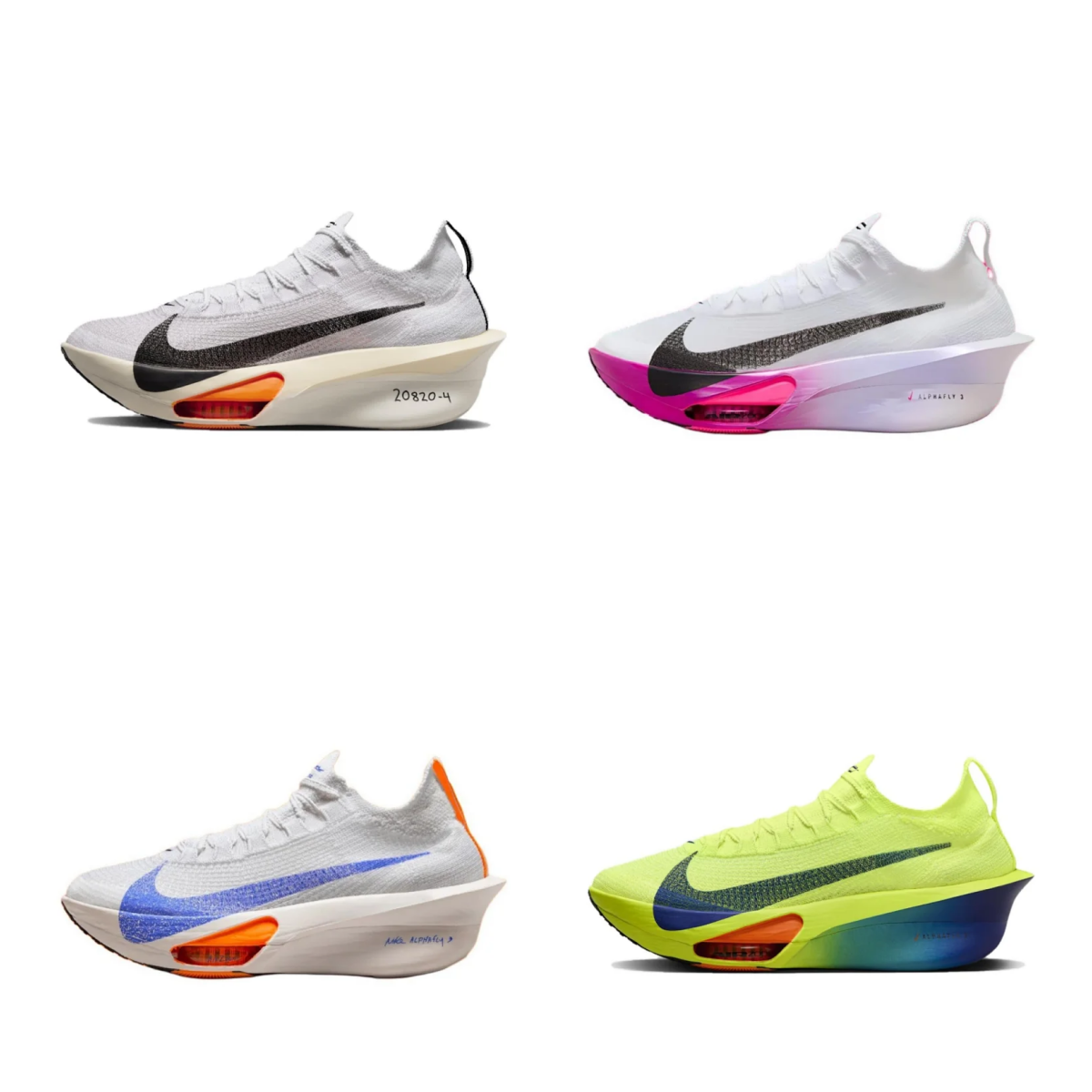
Ph076 Breathable Running Shoes - CSSBuy spreadsheet - 136150

Men's Casual Shoes - CSSBuy spreadsheet - 135435
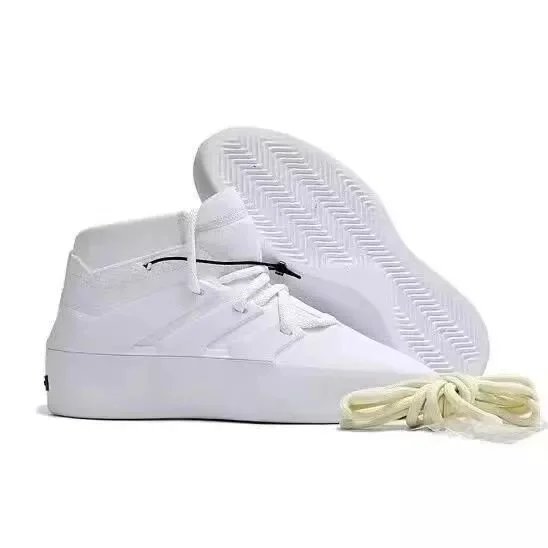
Casual Shoes - Kakobuy spreadsheet - 136046
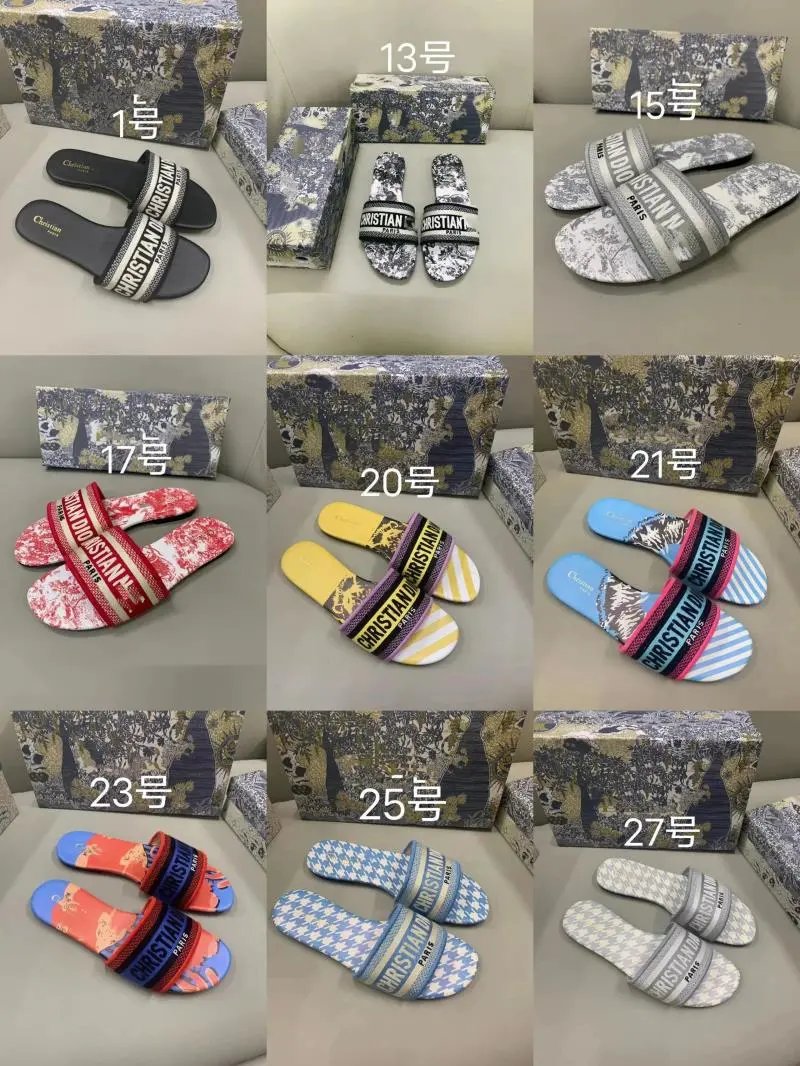
DS Slippers - Wheebuy spreadsheet - 135724

Outerwear Jacket - Rizzitgo spreadsheet - 136656

QZ18 Shorts and Short-Sleeve Tops - BBDBuy spreadsheet - 140477
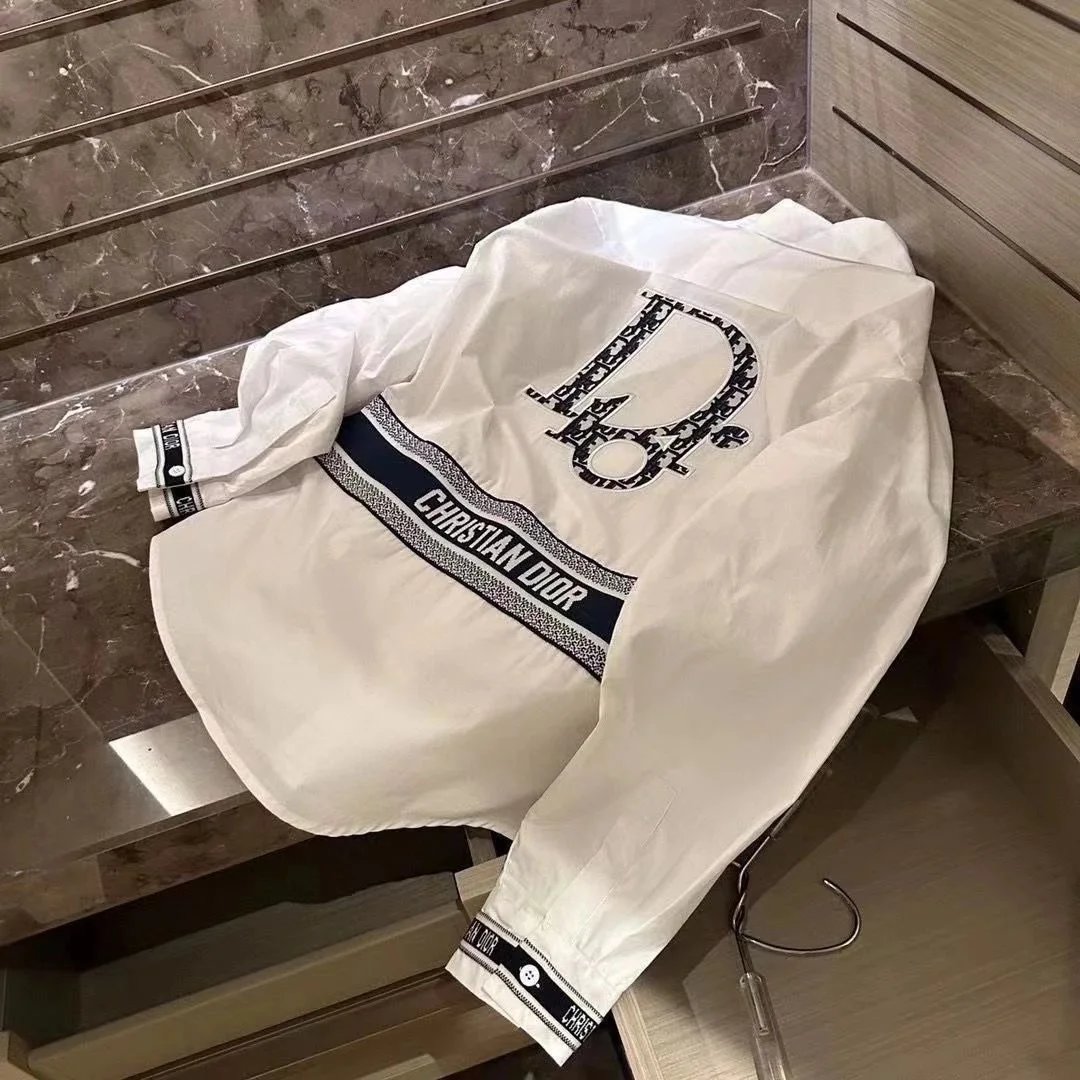
Outerwear Jacket - Sugargoo spreadsheet - 136623
