Cafans Journal
Stories & FindsCAFANS Guide: Using the Joyagoo Spreadsheet for Smarter Shopping
CAFANS Guide: Using the Joyagoo Spreadsheet for Smarter Shopping
If you have spent any time browsing online marketplaces for replicas, budget finds, or curated hauls, you have probably come across the term CAFANS. In this guide, we break down what CAFANS means in practice, how the joyagoo spreadsheet fits into the picture, and how to use a joyagoo guide to shop more efficiently. Along the way, we cover the joyagoo shopping guide workflow, joyagoo product links, and the essentials of a reliable joyagoo spreadsheet guide.
What Is CAFANS?
CAFANS is a community shorthand used by shoppers who follow curated finds from agents and resellers. Rather than scrolling endlessly through random listings, members of the CAFANS community rely on organized resources — spreadsheets, link lists, and step-by-step walkthroughs — to locate products quickly. The idea is simple: a good spreadsheet saves hours of searching, and a good guide tells you how to read that spreadsheet without making costly mistakes.
In the CAFANS ecosystem, the joyagoo spreadsheet is one of the most frequently referenced tools. It acts as a catalog of items organized by category, price range, and sometimes size availability, with each row pointing to a product page. The companion joyagoo guide explains how to interpret those rows, how to verify a seller, and how to place an order through an agent.
Why the Joyagoo Spreadsheet Matters
A spreadsheet is only useful if it is accurate. The joyagoo spreadsheet earns its reputation because it consolidates product data in one place: item names, categories, estimated prices, available sizes, and direct links. For shoppers following the CAFANS method, this means fewer dead links and less guesswork.
Key benefits include:
- Centralized product links — every row links to a listing, so you can compare options side by side.
- Category filters — sort by apparel, footwear, accessories, or gadgets instead of browsing blindly.
- Price tracking — spot budget picks versus premium reps at a glance.
- Community updates — spreadsheets are refreshed as sellers change stock or pricing.
The joyagoo guide typically accompanies each update, flagging discontinued items and highlighting new arrivals so you do not chase stale links.
How to Read the Joyagoo Spreadsheet Guide
The joyagoo spreadsheet guide is the instruction manual for the sheet itself. A typical guide covers several practical points:
- Column meanings — what each column represents, from item code to seller rating.
- Link handling — how to open joyagoo product links through your agent platform rather than directly.
- Size charts — translating regional sizing into your local measurements.
- QC notes — what to check in quality-control photos before shipping internationally.
- Order flow — the sequence from adding to cart, to agent purchase, to warehouse consolidation.
Following the joyagoo shopping guide step by step reduces the risk of ordering the wrong variant or misunderstanding shipping costs. It also helps you avoid broken links by showing you how to search item codes manually when a URL fails.
Using Joyagoo Product Links Effectively
Joyagoo product links are the backbone of the spreadsheet. Instead of copying raw marketplace URLs, the CAFANS approach is to route every link through your chosen agent so that purchasing, QC, and shipping stay in one dashboard. When a link is dead, the joyagoo guide usually provides an item number you can paste into the marketplace search bar.
Practical tips for link management:
- Keep a personal shortlist of links you plan to buy, separate from the master sheet.
- Screenshot the listing details (price, size, color) in case the page changes.
- Double-check variant codes — small differences often mean different products.
- Use the spreadsheet's notes column to record seller feedback.
These habits turn a static spreadsheet into a working shopping list, which is exactly what the joyagoo shopping guide recommends.
Building a CAFANS Shopping Routine
A repeatable routine keeps costs down and quality up. Start by opening the joyagoo spreadsheet and filtering to the categories you need. Cross-reference with the joyagoo guide for any warnings about sizing or sellers. Collect joyagoo product links for two or three alternatives per item, then compare QC photos from previous buyers. Finally, consolidate your orders in the agent warehouse to reduce international shipping fees.
Experienced CAFANS shoppers also keep a personal master sheet: a trimmed version of the joyagoo spreadsheet with only the items they trust. Over time, this becomes your own joyagoo spreadsheet guide, tailored to your body measurements, budget, and preferred sellers.
Common Mistakes to Avoid
Newcomers often treat the spreadsheet as a storefront rather than a directory. It is a reference tool, not a checkout page. Avoid buying directly from unfamiliar links, skipping QC photos, or ignoring the sizing notes in the joyagoo guide. Also beware of outdated rows — if a price looks suspiciously low, verify it against the current listing before ordering. Reading the joyagoo spreadsheet guide before your first purchase prevents most of these errors.
Final Thoughts
The CAFANS approach works because it replaces random browsing with organized research. The joyagoo spreadsheet provides the catalog, the joyagoo guide provides the instructions, and joyagoo product links provide the path to purchase. Use the joyagoo shopping guide as your checklist, keep your own notes, and treat the joyagoo spreadsheet guide as required reading before every haul. With those habits in place, you can shop smarter, compare options clearly, and reduce the risk that comes with buying online.
Editor's selection
Popular Products

Ph076 Breathable Running Shoes - CSSBuy spreadsheet - 136150

Men's Casual Shoes - CSSBuy spreadsheet - 135435

Casual Shoes - Kakobuy spreadsheet - 136046
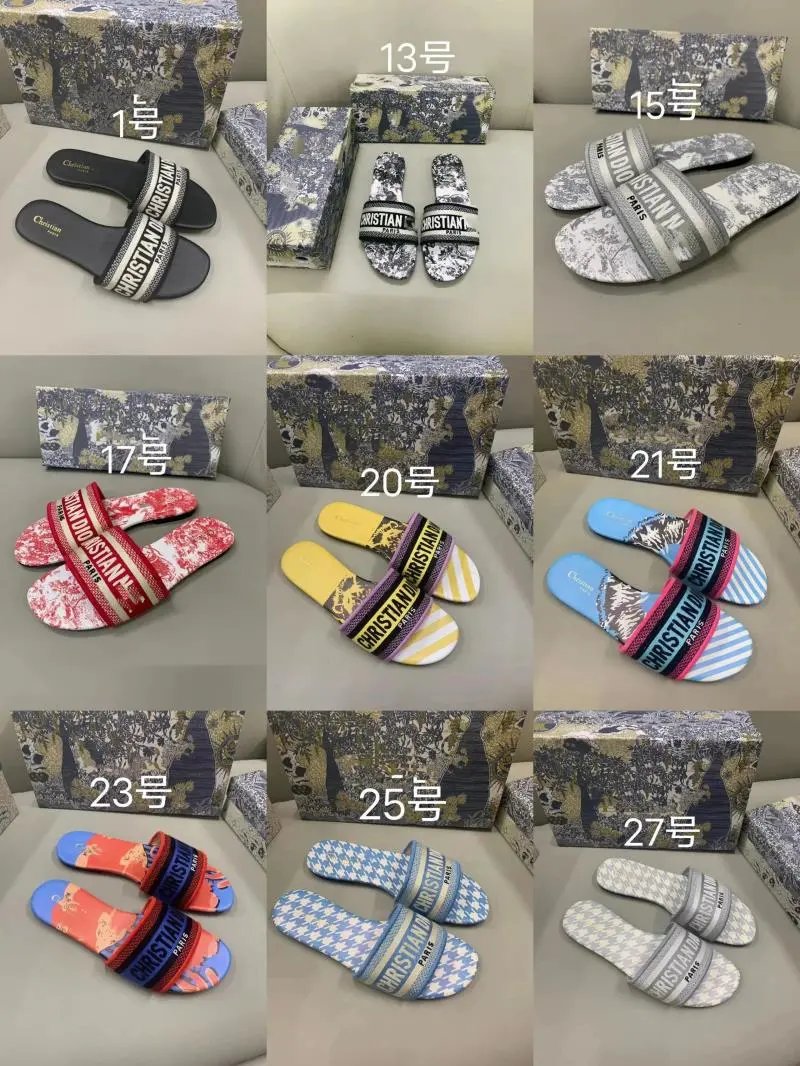
DS Slippers - Wheebuy spreadsheet - 135724

Accessories - UIDBuy spreadsheet - 140922

SP2.0 and 3XL Footwear Selection - 21052 - Hubbuycn spreadsheet - 152124
SP2.0 and 3XL Footwear Selection - 21053 - Kakobuy spreadsheet - 152125