Cafans Journal
Stories & FindsCAFANS Shopping Guide: Using the Litbuy Spreadsheet for Smarter Finds
CAFANS Shopping Guide: Using the Litbuy Spreadsheet for Smarter Finds
If you have spent any time browsing the CAFANS community, you have probably noticed that collectors rarely shop blind. They compare, cross-check, and share links before committing to a purchase. At the center of that habit sits the litbuy spreadsheet — a shared reference document that turns scattered product links into an organized, searchable catalog. This guide explains how the spreadsheet works, how to read it, and how to combine it with a practical litbuy guide so your next haul is faster and more accurate.
What Is the Litbuy Spreadsheet?
The litbuy spreadsheet is a crowd-maintained database of items, usually organized into tabs by category. Each row typically holds a product name, a short description, size or color options, and a price range. Many entries also include a verified litbuy product link so you can jump straight to the listing. Because the sheet is built by shoppers rather than a single store, it functions as a neutral index — a starting point for research, not a storefront itself.
Think of it as a map. The spreadsheet shows you where things are; the litbuy shopping guide tells you how to travel between them without getting lost. Used together, they replace hours of random scrolling with a repeatable routine.
Why Shoppers Rely on the Spreadsheet
First, it saves time. A keyword search in the sheet can surface five comparable options in seconds. Second, it improves consistency: the same columns appear for every entry, so comparing a hoodie against a hoodie is straightforward. Third, it creates a paper trail. When you note a finder’s name or a last-updated date, you know how fresh the information is.
Finally, the spreadsheet encourages better questions. Instead of asking “is this good?”, you learn to ask about sizing charts, material weight, batch differences, and shipping weight. That shift in mindset is the real value of any litbuy spreadsheet guide.
How to Read a Row: A Step-by-Step Walkthrough
Open the category tab you need and scan the headers. A typical row includes:
- Item name and type — for example, a hoodie, a running shoe, or a crossbody bag.
- Product link — the litbuy product link that opens the listing.
- Price band — a rough range, useful for budgeting.
- Sizing notes — whether the item runs small, true to size, or oversized.
- Notes or flags — batch versions, known flaws, or restock status.
Before you click anything, read the notes column. It often contains the single most useful sentence in the row. Then open the link, check the current price and available sizes, and compare against one or two alternatives from the same tab. This “three-option rule” keeps you from overcommitting to the first find.
Building a Shopping Workflow
A reliable routine looks like this:
- Define the need. Write down the item type, budget, and size before opening the sheet.
- Search the sheet. Filter by category, then by keyword.
- Shortlist three. Copy their links into a notes file.
- Verify details. Check sizing, color availability, and shipping estimates.
- Record your choice. Note the date and the row you used so you can revisit it later.
This workflow is the backbone of any solid litbuy guide. It keeps decisions deliberate and makes repeat purchases far easier.
Organizing Your Own Reference Sheet
Many shoppers eventually build a personal companion sheet. Keep columns for item name, category, link, price, size, order date, and a short verdict after delivery. Over time this becomes your own mini spreadsheet guide, tailored to your taste. When you share findings back to the community sheet, include the batch date and any sizing correction — that is how the shared resource stays accurate.
Common Mistakes to Avoid
Do not treat the sheet as a guarantee. Prices change, listings sell out, and batches get revised. Avoid copying a link without checking the current page. Do not ignore sizing notes, and do not assume two rows with similar names are the same product. Finally, avoid hoarding links you never verify — a short, tested list beats a long, untested one.
Safety and Realistic Expectations
The spreadsheet is an index, not a warranty. Always read the listing’s own return and shipping terms, keep records of your orders, and budget for shipping weight. If a row looks outdated, flag it rather than relying on it. A good litbuy shopping guide should make you more careful, not more impulsive.
Final Thoughts
The litbuy spreadsheet is most powerful when paired with a simple, repeatable method: search, shortlist, verify, record. Whether you are hunting for footwear, outerwear, or accessories, the same discipline applies. Use the sheet to narrow the field, use the guide to make the call, and keep your own notes so the next haul is even smoother.
Editor's selection
Popular Products
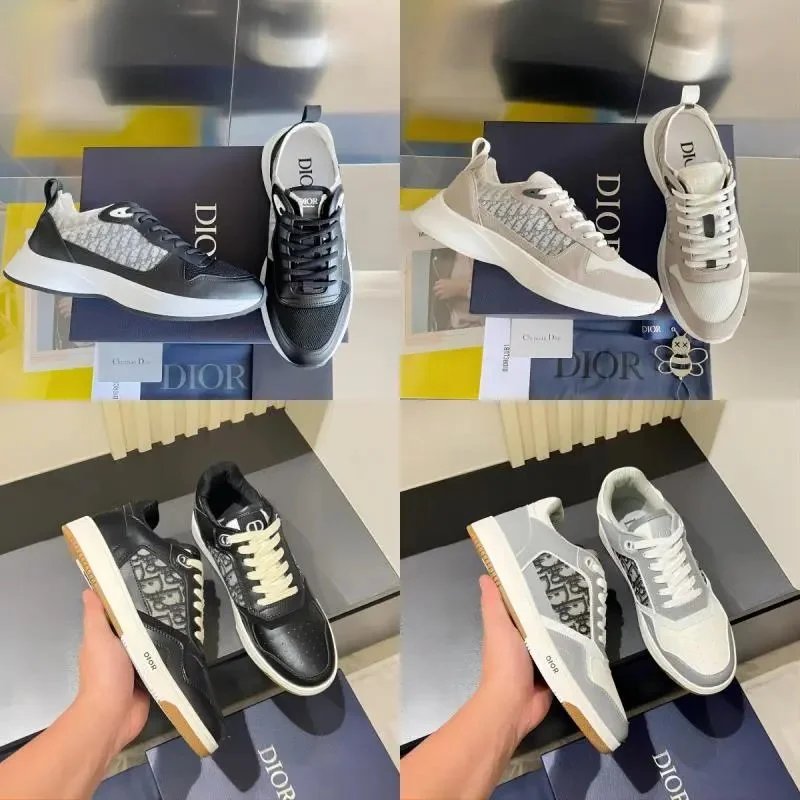
PH Running Shoes - MyCNBox spreadsheet - 136149
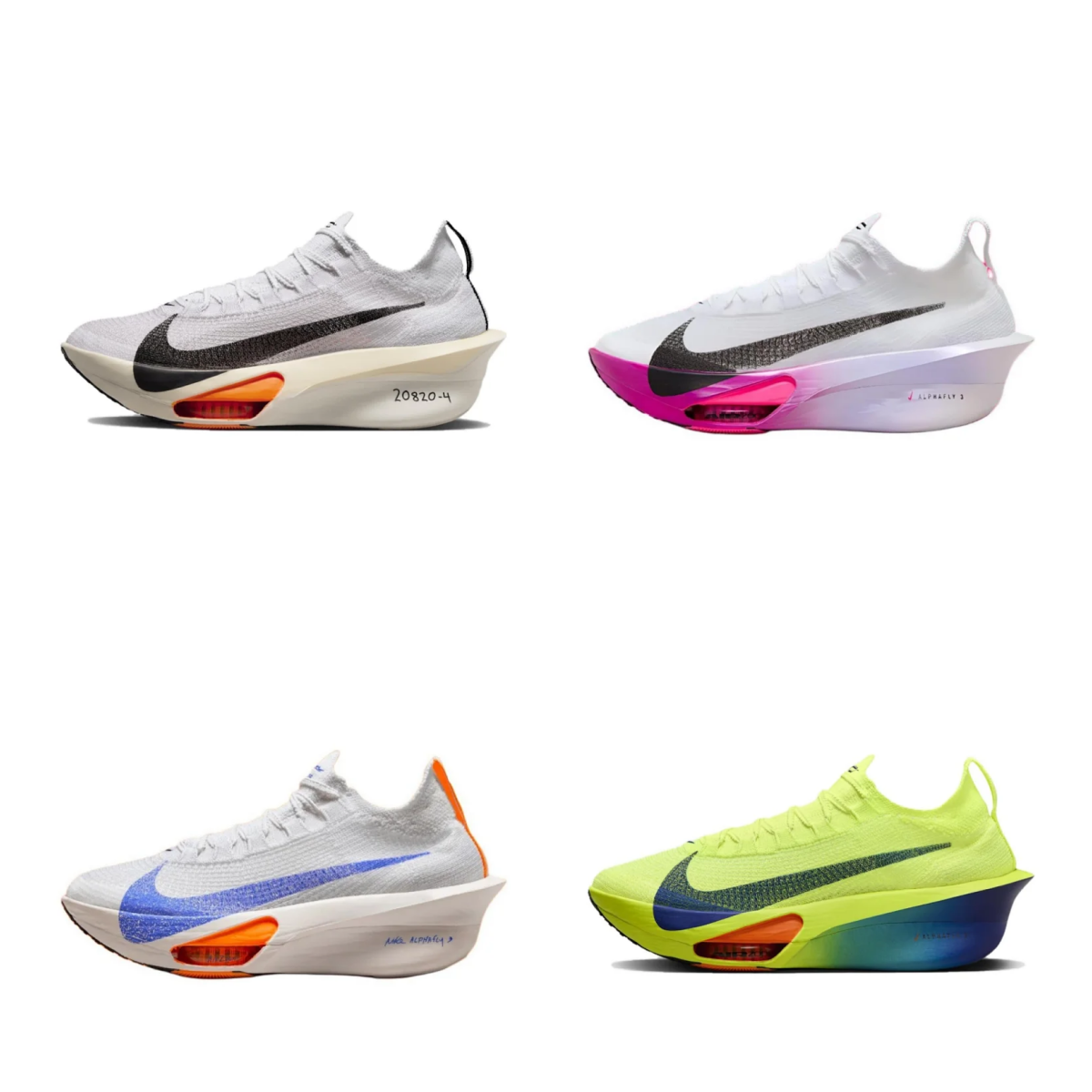
Ph076 Breathable Running Shoes - CSSBuy spreadsheet - 136150

H25 Retro Low-Top Running Shoes - UIDBuy spreadsheet - 135631

On Cloudswift Lightweight Breathable Non-Slip Cushioned Running Shoes - LoongBuy spreadsheet - 136042

TU66 Unisex Breathable Wear-Resistant Running Shoes - Fishgoo spreadsheet - 135369

GZH 4115 Children's Low-Top Running Shoes - CNShopper spreadsheet - 135738

Unisex Running Shoes - Wheebuy spreadsheet - 135538
