Cafans Journal
Stories & FindsThe Complete CAFANS Guide: Using Wemimi for Smarter Shopping
If you have spent any time browsing Chinese shopping platforms, you have probably run into the term CAFANS. This English CAFANS guide explains what the term means in practice, why it matters, and how to pair it with Wemimi to build a repeatable, low-risk shopping workflow. Whether you are a first-time buyer or an experienced agent user, the goal here is simple: help you find better items, compare prices honestly, and avoid the most common mistakes.
What CAFANS Means in Everyday Shopping
CAFANS is best understood as a shopping-research mindset. Instead of trusting a single listing photo, you collect evidence: seller ratings, order counts, review photos, size charts, material descriptions, and shipping estimates. A good CAFANS routine turns a vague idea into a shortlist of verified options. The main tool in this guide is Wemimi, which works as a discovery and comparison layer on top of the platforms you already know.
In practical terms, CAFANS stands for checking, assessing, filtering, analyzing, narrowing, and selecting. Those six steps keep you from impulse buying and help you spot listings that look great in a thumbnail but disappoint on arrival.
Why Use Wemimi as Your Main Platform
Wemimi is designed for shoppers who want structure. Rather than scrolling an endless feed, you search with intent, filter by category, and compare candidates side by side. The platform surfaces item details, seller information, and pricing context in one place, which makes the CAFANS process much faster. If you have ever lost an hour jumping between tabs, Wemimi consolidates that work.
The biggest advantage is consistency. Every search follows the same pattern, so you can build habits instead of guessing. That consistency is what separates casual browsing from real shopping research.
Start With the Wemimi Spreadsheet
A Wemimi spreadsheet is the backbone of organized shopping. Create columns for item name, category, seller rating, unit price, shipping cost, estimated delivery, size or spec notes, review score, and a final verdict. As you browse, log every serious candidate. Within a week you will have a personal database that shows which categories you overpay for and which sellers consistently deliver.
Keep the spreadsheet simple. Color-code rows by status (researching, shortlisted, ordered, received), and add a photo link column so you can recognize items later. If you shop in groups, share the sheet so everyone compares the same data instead of trading screenshots.
Build a Reliable Wemimi Guide Routine
A repeatable Wemimi guide routine has four checkpoints. First, define the need in one sentence. Second, search and shortlist five to eight candidates. Third, verify reviews with photos and check the size or specification chart. Fourth, calculate the true landed cost including shipping and any service fees.
During verification, read the negative reviews first. They reveal fit issues, color differences, and packing problems faster than positive reviews reveal quality. Also check whether the seller responds to questions; responsive sellers usually handle after-sales issues better.
Use Wemimi Product Links Wisely
Wemimi product links are your reference points. Save the link for every shortlisted item in your spreadsheet, and note the date you saved it. Prices on shopping platforms move, so a link from three weeks ago may no longer reflect current cost. Re-check links before ordering, especially during sale events when listings change specs to match discounts.
When sharing links with friends or an agent, include the size, color, and quantity in the message. This avoids the classic mistake of receiving the wrong variant because the default option was never changed.
A Practical Wemimi Shopping Guide
This Wemimi shopping guide condenses the workflow into steps you can follow today. Begin with a budget range per item, not a single number. Search using specific nouns rather than vague adjectives. Compare at least three sellers for the same product type. Check shipping weight, because volumetric weight often surprises buyers of bulky goods. Confirm the return policy before payment. Finally, photograph and inspect items on arrival, and record any issues within the claim window.
For clothing, always measure yourself and compare against the size chart rather than the label. For electronics, verify voltage, plug type, and warranty terms. For home goods, check dimensions twice; a beautiful organizer is useless if it does not fit your shelf.
Common Mistakes to Avoid
The most frequent error is buying from a single listing without comparison. The second is ignoring shipping cost until checkout. The third is trusting edited photos over buyer images. The fourth is skipping the spreadsheet, which leads to duplicate purchases and forgotten orders. The fifth is ordering outside the return window during busy seasons.
Another subtle mistake is over-optimizing for price. A slightly higher price from a responsive, well-rated seller often saves money overall when you factor in replacements and delays.
Final Checklist Before You Order
Run through this list: need defined, candidates compared, reviews with photos checked, size or spec verified, shipping calculated, seller responsiveness confirmed, return policy understood, link saved with date, and entry logged in the spreadsheet. If any box is unchecked, pause. The CAFANS approach is about patience, and Wemimi makes that patience practical. Follow the routine for a few orders and it becomes second nature.
Editor's selection
Popular Products
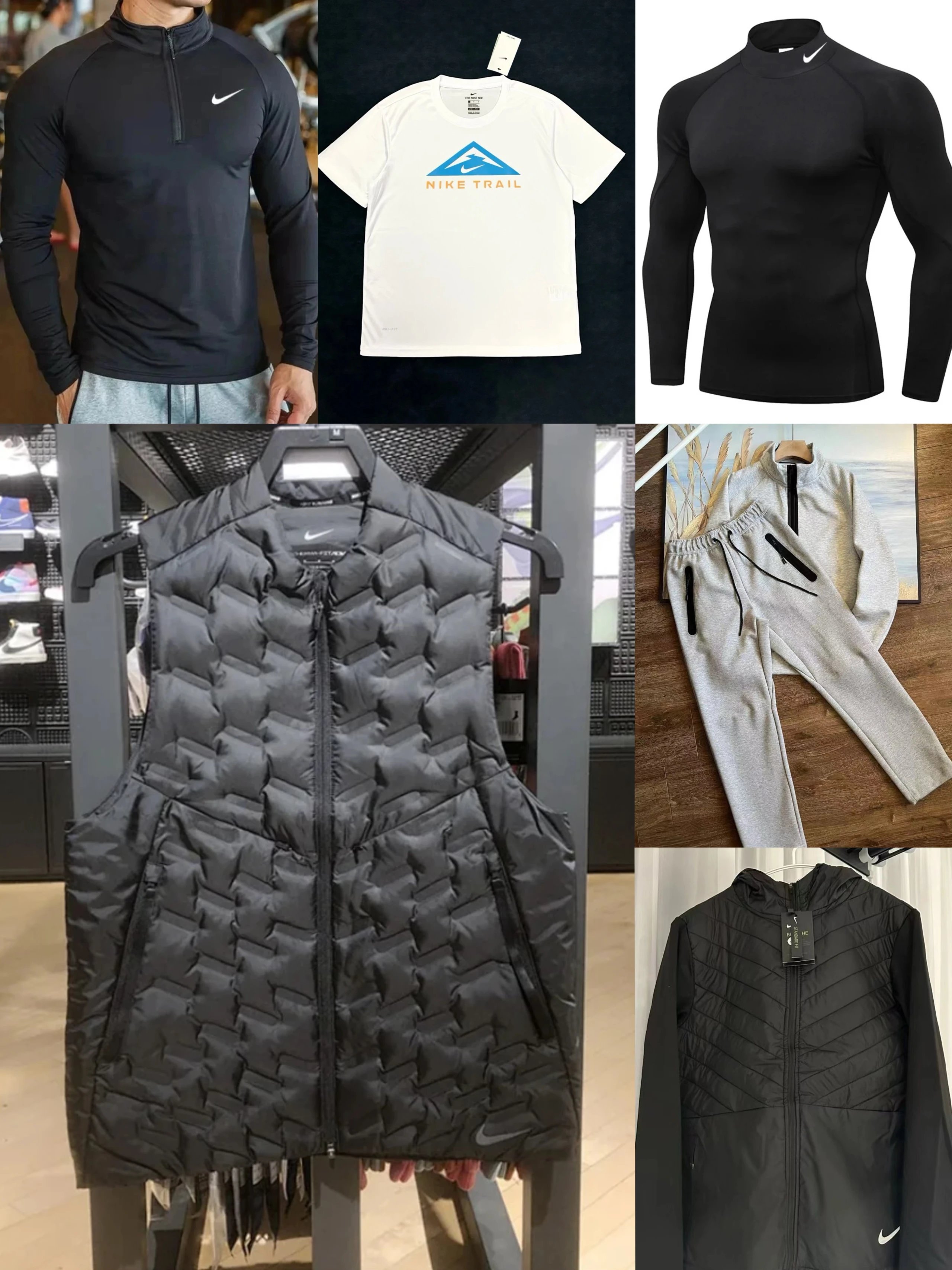
Ni Vests, T-Shirt and Clothing Sets 1000 - JoyaGoo spreadsheet - 141084

FL01-005ph Spring and Autumn Casual Clothing Set - Sugargoo spreadsheet - 136271

Clothing Set 1 - Oopbuy spreadsheet - 136873

MX16 Clothing Set - Hipobuy spreadsheet - 137693

D All-Over Print Clothing Set - UIDBuy spreadsheet - 136221
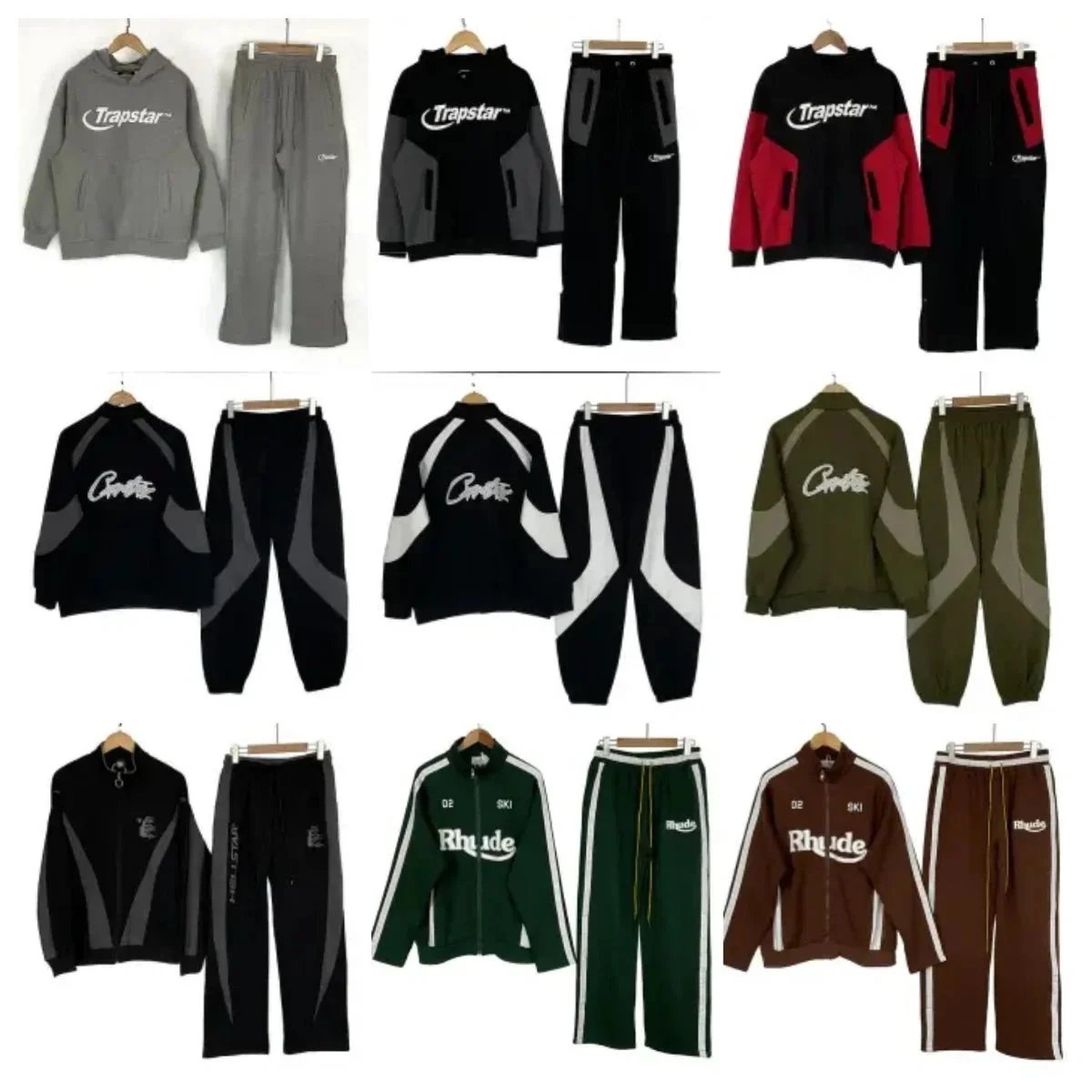
L-001 Casual Hip-Hop Clothing Set - GTBuy spreadsheet - 136248

Clothing Set 111 - Wheebuy spreadsheet - 136980