Cafans Journal
Stories & FindsCAFANS Guide: Building a Spreadsheet-Based Product Comparison Workflow
What Is CAFANS and Why a Spreadsheet Matters
CAFANS is a practical, spreadsheet-first approach to organizing the entire buying journey — from browsing a shopping spreadsheet to finalizing a product comparison spreadsheet before ordering through an agent shopping spreadsheet. Rather than juggling screenshots, chat messages, and browser tabs, a single structured workbook keeps every option, price, and note in one place. This spreadsheet guide explains how to set up, maintain, and scale that workbook so you can compare products confidently and avoid costly mistakes.
Step 1: Choose the Right Spreadsheet Tool
Any spreadsheet application with formulas, sorting, and filtering will work: desktop software, a cloud-based alternative, or a free web editor. Cloud files are usually best because they sync across devices and can be shared with collaborators. Keep the file reasonably small and consider a backup copy. If you plan to import rows later, make sure your tool handles comma-separated or tab-separated text. Add a short note at the top with the date last updated and the owner of the file, so anyone opening the spreadsheet understands its purpose.
Step 2: Design Columns for a Shopping Spreadsheet
The backbone of a shopping spreadsheet is a clean set of columns. Every column should answer one question, and every row should represent one candidate item. Use clear headers, freeze the header row, and apply color formatting to status cells.
- Item ID — a short reference such as A-001 to track links and notes.
- Item name — plain descriptive text, not a slogan.
- Category — group label to enable filters.
- Variant — color, size, or capacity.
- Seller or source — where the listing was found.
- Unit price — numeric format, with currency column.
- Shipping and handling — keep separate from the price.
- Tax estimate — optional but useful in the total.
- Quantity — numeric, so totals calculate automatically.
- Line total — a formula multiplying quantity by unit price plus costs.
- Stock status — available, low stock, or discontinued.
- Link or reference — hyperlink to the source listing.
- Decision — shortlist, hold, or reject.
- Notes — free-text observations for later.
For each row, avoid pasting formatted blocks from web pages. Use a brief description and link instead, so prices stay editable and cells stay clean.
Step 3: Build a Product Comparison Spreadsheet
A product comparison spreadsheet turns raw candidates into a decision tool. Add a comparison sheet where one item occupies a column and specifications occupy rows. That orientation makes it easy to scan differences in ingredients, dimensions, warranties, or materials. Common fields include weight, unit size, material, warranty length, return window, delivery estimate, and any test or ratings information you have gathered. Use data validation to limit values such as yes or no, and conditional formatting to highlight the best price, shortest delivery, or strongest warranty. Add a score column that weights the criteria you care about most, then sort by score for a quick ranking.
Step 4: Convert to an Agent Shopping Spreadsheet
If you buy through an intermediary, the intermediate becomes an agent shopping spreadsheet. Add columns for agent name, service fee, conversion rate used, and the status of each request. Keep a separate sheet per agent and a summary sheet that pulls totals. Track paid deposits, pending confirmations, and estimated consolidation weights. Log the exchange rate and the date of each quote, because rates move. Ticket numbers and tracking details belong in their own columns so they can be copied into messages without reformatting. Use a status dropdown with values such as requested, quoted, ordered, paid, shipped, and received to keep records consistent.
Step 5: Formulas, Validation, and Formatting
Well-built formulas prevent arithmetic errors. Simple ones like multiplying quantity by price, or subtracting fees from budgets, help, but keep the logic transparent. Use named ranges for budget limits, and a conditional formula that flags overspending. Data validation keeps text consistent across rows, which in turn makes filters and pivot tables reliable. Conditional formatting can highlight low stock, missing links, or items over budget. For larger workbooks, consider pivot tables to summarize spending by category or agent. Avoid nested formulas that are hard to audit; split them into helper columns when necessary.
Step 6: Versioning, Sharing, and Protection
Add a version number and a change log tab. Every modification should be described briefly, with the date and initials of the person making it. Protect locked header rows or formulas if the file is shared, and restrict editing rights where appropriate. For teams, agree on a naming convention for sheets and cells. If the file becomes heavy, archive old rows to a separate file, keeping the working spreadsheet lean. Consistent formatting and short comments prevent misunderstandings.
Step 7: Review and Refresh
Set a weekly or biweekly review slot. During a review, recheck prices and stock, update statuses, and remove rejected items, but archive them first. Even a careful spreadsheet guide cannot fix stale data, so refresh your product comparison spreadsheet links and rates before placing an order. Try a sample row first: verify that formulas calculate correctly and that links open, then extend the structure. Keep the shopping spreadsheet and the agent shopping spreadsheet connected through a common reference column, then use your product comparison spreadsheet as the final decision sheet. This structure keeps the process transparent and makes follow-up questions easy to answer.
Editor's selection
Popular Products

2024 Shoes - Litbuy spreadsheet - 138875
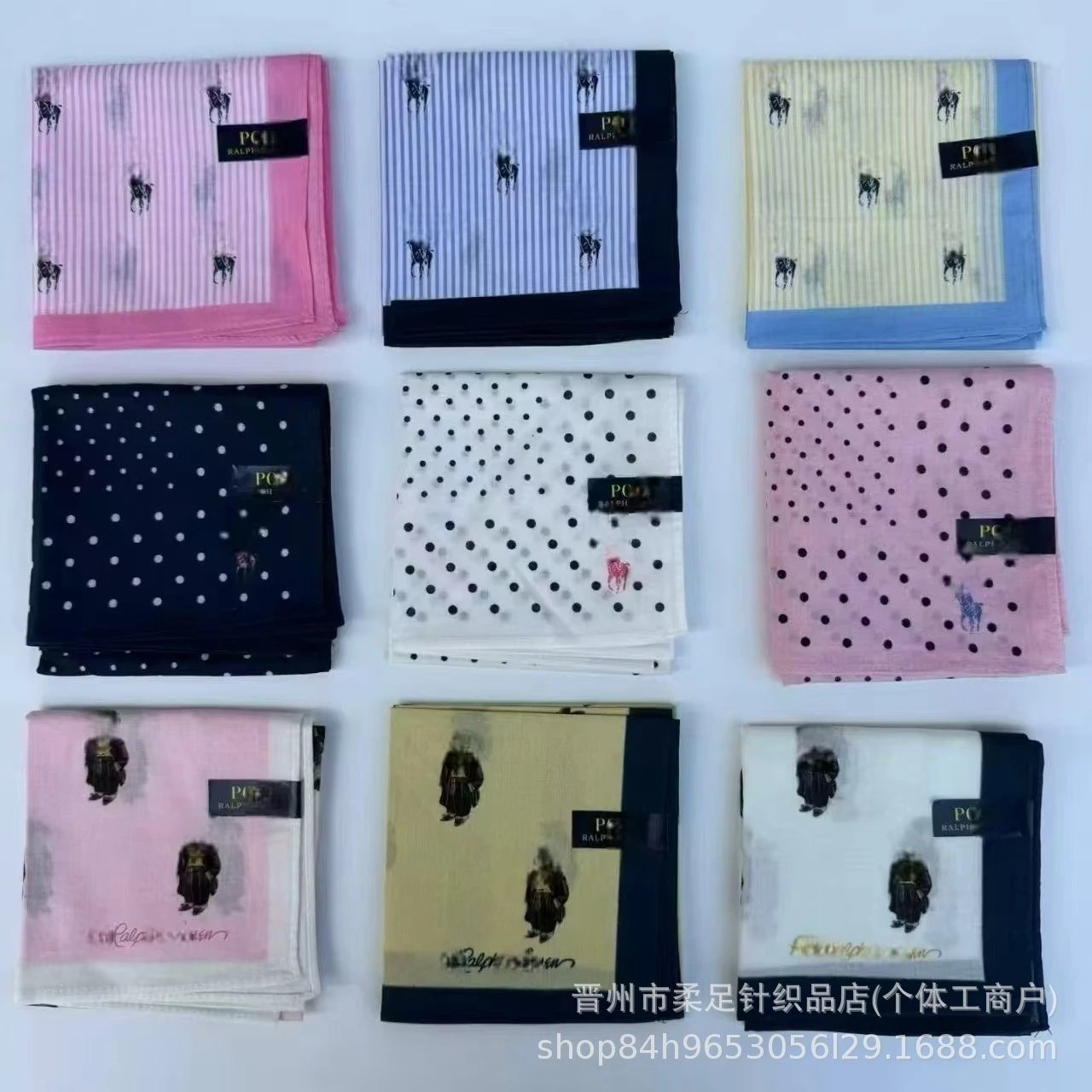
Printed Square Scarf Collection - CSSBuy spreadsheet - 141582

Autumn/Winter Casual Clothing Set - LoongBuy spreadsheet - 136669

TC07 Sweatshirt and Pants Set - Rizzitgo spreadsheet - 146483

L Drinking Cup 2730 - OOTDBuy spreadsheet - 138450

VT Sneakers - Rizzitgo spreadsheet - 135710
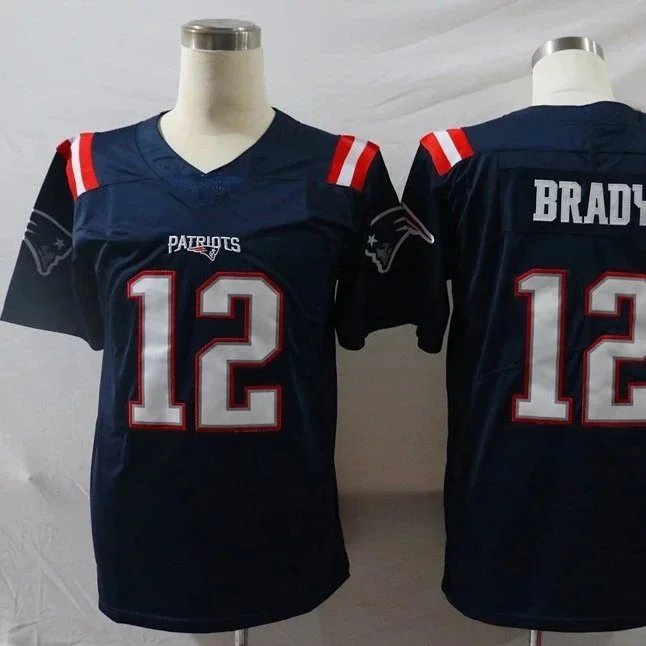
Navy Number 12 Brady Football Jersey - Hipobuy spreadsheet - 139462