Cafans Journal
Stories & FindsOopbuy Guide: The CAFANS Shopping Method Explained
If you have spent any time exploring international shopping communities, you have probably run into the term CAFANS — and alongside it, Oopbuy. This guide explains what CAFANS means, how an Oopbuy guide fits into the picture, and how to use an Oopbuy spreadsheet to shop smarter. We will also cover Oopbuy product links, the basics of Oopbuy shopping guide practices, and 30 related terms you will encounter along the way.
What Is CAFANS?
CAFANS is a shorthand used by shoppers to describe a category of overseas shopping platforms and agents that connect buyers with Chinese marketplaces and sellers. In practice, CAFANS discussions tend to focus on convenience, product discovery, and how to make cross-border purchasing less complicated. Platforms like Oopbuy sit within this ecosystem, acting as a bridge between buyers and a very large catalog of goods.
Why does the term matter? Because searching for CAFANS often leads you to tutorials and curated resources — including the Oopbuy guide — that explain how to search, find Oopbuy product links, and manage orders. Understanding the vocabulary is half the battle.
Why Shoppers Use Oopbuy
First, it aggregates products from many sources, so you do not need to juggle dozens of tabs. Second, it simplifies logistics: you collect purchases in a warehouse, then consolidate them into a single parcel. Third, communities share resources like an Oopbuy spreadsheet with links, prices, and notes, which saves time when you are hunting for a specific item.
Rather than treating the platform as a mystery, think of it as a shopping assistant. The Oopbuy shopping guide approach is built on three pillars: discovery, verification, and consolidation.
The Oopbuy Guide, Step by Step
1. Register and Get Oriented
Create an account, set your language and currency preferences, and read the help pages. A good Oopbuy guide starts with orientation: where to search, how to filter, and where your warehouse address appears. Take note of the consolidation window and any storage limits.
2. Discover Products
You can search directly, browse category pages, or use an Oopbuy spreadsheet shared by the community. Spreadsheets typically list item names, category tags, approximate prices, and links. They are not official catalogs, so treat them as leads, not guarantees. Cross-check every entry on the platform before purchasing.
3. Handle Oopbuy Product Links
Oopbuy product links are the URLs that point to a specific listing. Copy them into the platform's search or paste field to open the item. Always verify size, color, and seller details, because links can change or lead to variants. If a link is broken, search the product title instead.
4. Order and Consolidate
Once items arrive at the warehouse, inspect photos, check weights, and decide what to ship. Consolidation can reduce shipping costs, but be mindful of volumetric weight and customs rules. The Oopbuy shopping guide principle here is simple: measure twice, ship once.
Building Your Own Spreadsheet
Community sheets are useful, but your personal Oopbuy spreadsheet is more reliable. Structure it with columns for item name, category, seller, unit price, shipping estimate, status, and notes. Add a column for the original link so you can quickly access Oopbuy product links later. Update the status as items move from ordered to warehouse to shipped.
Good spreadsheet hygiene prevents duplicate orders and forgotten items. It also makes it easy to compare alternatives before you commit.
30 Related Terms Used Naturally
As you follow this Oopbuy guide, you will meet a wide vocabulary. The list below groups 30 related terms into practical clusters: agent, warehouse, consolidation, parcel, shipping line, customs, declaration, tracking, QC photos, inspection, rehearsal, service fee, domestic shipping, international shipping, weight, volumetric weight, seller, listing, variation, colorway, size chart, batch, haul, spreadsheet, community, coupon, discount, refund, dispute, and review.
Notice how these terms connect. An agent receives goods at the warehouse, performs an inspection, and uploads QC photos. You review the listing, check the size chart, confirm the colorway, and then choose a shipping line. Declaration and customs rules affect the parcel, while tracking keeps you informed. If something goes wrong, a dispute may lead to a refund. Weight and volumetric weight influence cost, and domestic shipping differs from international shipping. Rehearsal packing helps you estimate the final bill.
Common Mistakes to Avoid
New shoppers often skip verification. Do not assume a spreadsheet entry or a shared link is accurate. Check the seller's rating, read reviews, and confirm the variation. Another mistake is ignoring the size chart — measurements vary between sellers. A third is underestimating shipping: a cheap item can become expensive once weight and consolidation are factored in. Finally, avoid rushing customs declarations; accuracy matters.
Practical Shopping Tips
Bookmark your favorite categories, keep a running wish list, and compare at least two sellers before ordering. Use the spreadsheet to log coupons and discounts so you can time purchases. When a listing has multiple variations, record the exact variant in your notes. If you plan a large haul, consider rehearsal packing to avoid surprises. And always keep screenshots of order details — they help if you need to open a dispute.
Sample Workflow
Imagine you want a pair of sneakers and a jacket. Search the platform, or open a trusted Oopbuy spreadsheet to shortlist candidates. Save the Oopbuy product links and note prices. Order both items, then wait for warehouse arrival. Inspect QC photos, confirm the size chart matches your measurements, and approve consolidation. Choose a shipping line, declare accurately, and track the parcel. When it arrives, leave a review to help the next shopper.
Final Thoughts
CAFANS is a doorway; Oopbuy is one of the rooms inside. The key to a smooth experience is method: use a guide, maintain a spreadsheet, verify product links, and follow the shopping guide basics. With these habits, cross-border shopping becomes predictable rather than stressful.
Disclaimer: This article is informational and does not endorse any specific seller or guarantee outcomes. Always review platform policies and local customs regulations before purchasing.
Editor's selection
Popular Products

Outdoor Casual Sneakers - Hipobuy spreadsheet - 141223

B22 B30 Unisex Classic Sneakers - UIDBuy spreadsheet - 135717

04 Classic Sneakers - LoongBuy spreadsheet - 135678

Classic Comfortable Fleece Jacket - Kakobuy spreadsheet - 141079
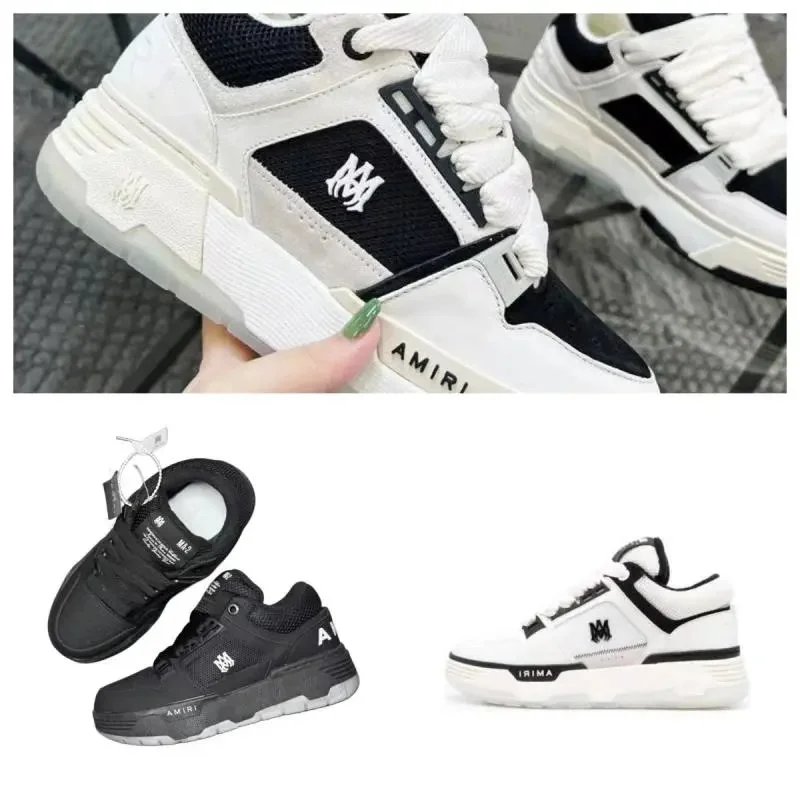
P-0100 Unisex Sneakers - Kakobuy spreadsheet - 136114

Jacket - MyCNBox spreadsheet - 141078
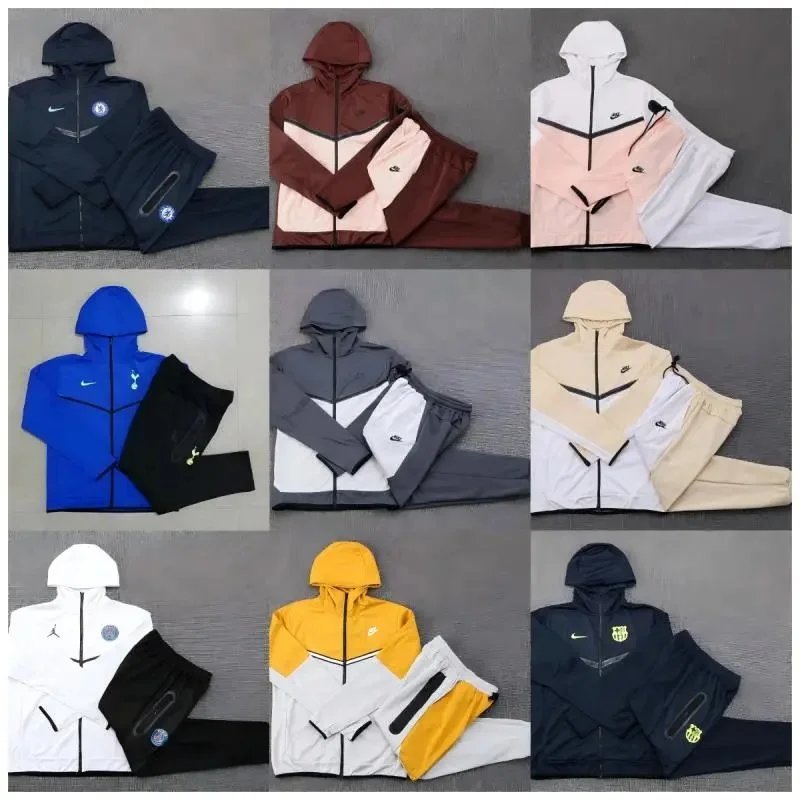
Cl Lightweight Football Training Jacket - MyCNBox spreadsheet - 141088
