Cafans Journal
Stories & FindsCAFANS Guide: Using the Hipobuy Spreadsheet for Smarter Shopping
CAFANS Guide: Using the Hipobuy Spreadsheet for Smarter Shopping
If you have spent any time exploring the world of online shopping agents, you have probably run into the phrase hipobuy spreadsheet. This CAFANS guide walks you through what that spreadsheet is, how it fits into the wider hipobuy guide ecosystem, and how to use hipobuy product links to build a reliable, repeatable shopping routine. Whether you are a first-time buyer or a seasoned haul builder, the goal here is simple: fewer surprises, better organization, and more confidence when you place an order.
What Is the Hipobuy Spreadsheet?
A hipobuy spreadsheet is a shared or personal document that collects product listings, prices, sizes, seller details, and reference links in one place. Instead of scrolling through countless tabs, you paste hipobuy product links into rows and keep notes beside them. Think of it as a wishlist with structure: columns for item name, category, price, weight estimate, colorway, and QC status.
Many shoppers treat the spreadsheet as a companion to the official hipobuy shopping guide. The guide explains how ordering, warehousing, and shipping work; the spreadsheet keeps your individual haul tidy while you follow it. That combination is the core of any solid hipobuy spreadsheet guide.
Why Use a Spreadsheet Instead of Favorites?
Browser favorites pile up fast and tell you nothing about price changes or stock. A spreadsheet gives you context. You can sort by budget, group by category, flag items awaiting QC photos, and track which links have gone dead. When you are ready to consolidate a parcel, everything you need is already organized. This is especially useful during busy sale periods when prices and availability shift quickly.
How to Build Your Own Sheet
- Start with a template. Use a cloud spreadsheet so you can access it on mobile and desktop.
- Create core columns. Item name, category, size, color, unit price, quantity, estimated weight, product link, and notes.
- Paste product links. Copy URLs from listings and trim tracking parameters so the links stay readable.
- Add a QC column. Mark items as pending, approved, or rejected after warehouse photos arrive.
- Track totals. Use simple formulas to sum item cost and estimated shipping weight.
Keep the layout consistent. A predictable format makes it easy to compare items and spot duplicates before checkout.
Finding Reliable Product Links
Good hipobuy product links come from listings with clear photos, size charts, and recent buyer feedback. Avoid links that redirect to unrelated pages or show inconsistent pricing. Save the original listing URL rather than a shortened link, because original URLs are easier to verify later. If a seller removes an item, your note about the original listing helps you find an alternative.
Reading the Shopping Guide Alongside Your Sheet
The hipobuy shopping guide covers the practical side of ordering: how to submit a purchase request, how long items stay in the warehouse, and how consolidation affects shipping cost. Your spreadsheet handles the personal side: what you want, what you already bought, and what still needs a decision. When the two work together, you avoid duplicate orders and forgotten items.
Use the guide to confirm policies before you buy, then log every confirmed purchase in the sheet. Add a column for order status — requested, purchased, in warehouse, shipped — so you always know where each item stands.
Tips for a Smooth Haul
- Estimate weight early. Knowing approximate weight helps you plan consolidation and avoid oversized parcels.
- Note sizing carefully. Compare measurements, not just labels, and record the size you chose.
- Flag seasonal items. Mark jackets, boots, and accessories so you can group them logically.
- Review links monthly. Remove dead links and update prices.
- Keep a backup. Export your sheet periodically in case of account issues.
Common Mistakes to Avoid
The most common error is treating the spreadsheet as a static list. Update it after every purchase and every QC check. Another mistake is mixing currencies without labels — always note the currency in a dedicated column. Finally, do not rely on memory for seller names or item variants; write them down. Small details matter when you are assembling a multi-item parcel.
Putting It All Together
The hipobuy spreadsheet is not a magic shortcut — it is a discipline. Combined with the hipobuy guide, a clear set of hipobuy product links, and the principles in the hipobuy shopping guide, it turns scattered browsing into a manageable plan. Follow this hipobuy spreadsheet guide, keep your columns clean, and review your sheet before every order. You will spend less time second-guessing and more time enjoying what you bought.
Start small: one tab, ten columns, five links. Once the habit sticks, expand it. A well-kept sheet becomes your best reference for future hauls — and the easiest way to stay organized in a fast-moving marketplace.
Editor's selection
Popular Products

Winter Loose Down Jackets, Sweatshirts and Sweaters 003 - Sugargoo spreadsheet - 141091

CC979-CP Down Jackets, Jackets and Pants Collection - Hipobuy spreadsheet - 141085

17W-G Down Jackets and Sweaters - USFans spreadsheet - 141045

GIVENCH Heeled Tall Boots - UIDBuy spreadsheet - 135983

TT 2 Round-Toe Slip-On Mid-Calf Snow Boots - JoyaGoo spreadsheet - 135794
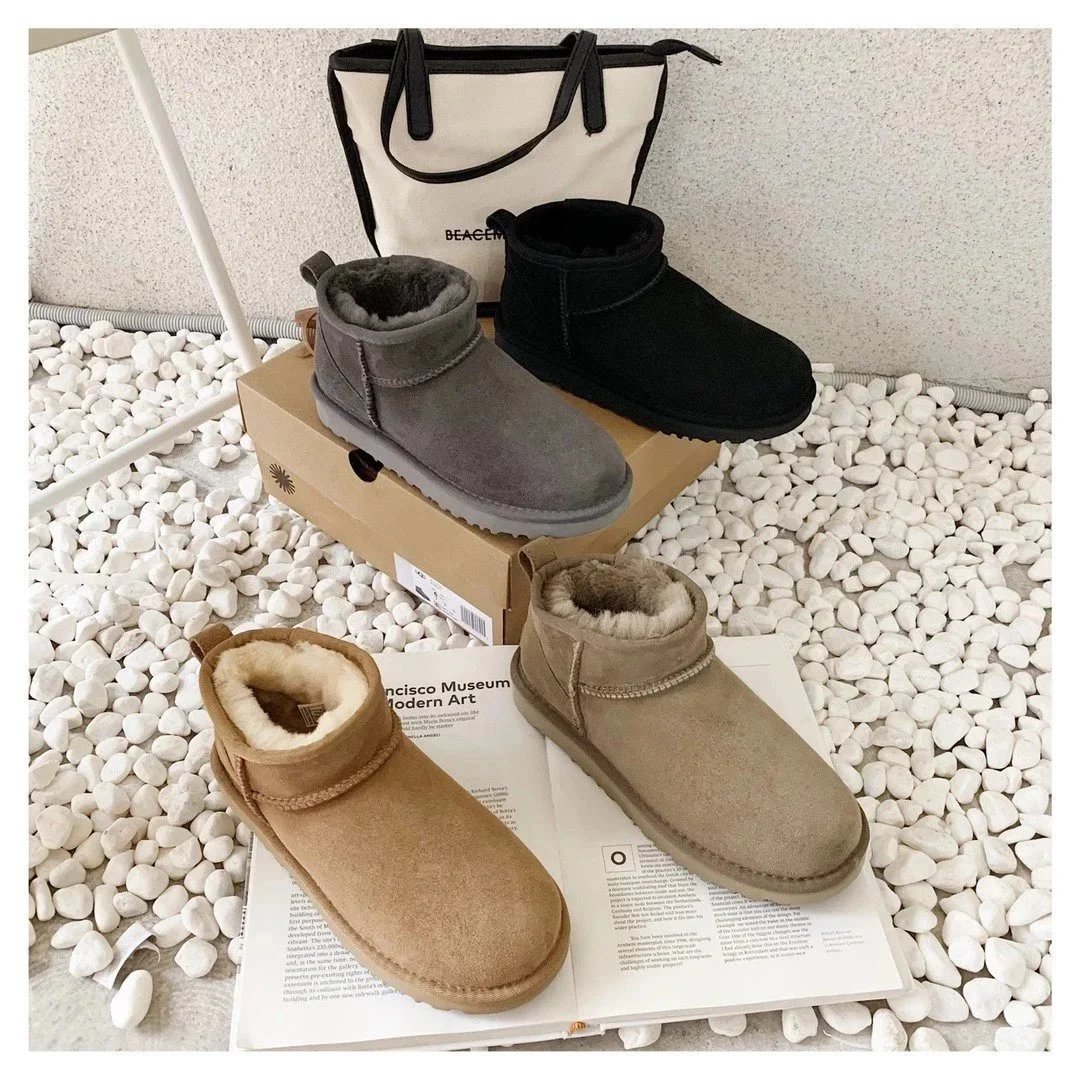
UF Ankle Boots - Oopbuy spreadsheet - 135756

Wheat Boots - USFans spreadsheet - 135524