Cafans Journal
Stories & FindsCAFANS Guide: Using the Sugargoo Spreadsheet for Smarter Shopping
What Is CAFANS and Why Does the Sugargoo Spreadsheet Matter?
If you have spent any time browsing agent-shopping communities, you have probably run into the term CAFANS. It is shorthand that circulates among buyers who use shopping agents to purchase items from Chinese marketplaces. In practice, CAFANS refers to the community-driven spreadsheets and link collections that help shoppers find products, compare finds, and organize orders. The most discussed resource is the sugargoo spreadsheet, a shared document that aggregates product links, category tabs, price notes, and seller references.
This guide explains how the Sugargoo spreadsheet works, how to read it, and how to combine it with a solid sugargoo guide so you can shop confidently. We will also cover sugargoo product links, the basics of a sugargoo shopping guide, and how to make the most of any sugargoo spreadsheet guide you find online.
Understanding the Sugargoo Spreadsheet
The sugargoo spreadsheet is essentially a catalog maintained by shoppers rather than a single store. It usually appears as a cloud document with multiple tabs: shoes, hoodies, tees, jackets, bags, accessories, and household goods. Each row typically lists an item name, a product link, a price range, available sizes, seller notes, and sometimes QC (quality control) photo references.
Because the document is community-maintained, quality varies. Some tabs are meticulously updated; others go stale. Treat the spreadsheet as a discovery tool, not a guarantee. Always verify the live listing before ordering, since prices, sizes, and availability change quickly.
How to Read Product Links in the Spreadsheet
Most sugargoo product links in these sheets point to marketplace listings. When you click a link, you will usually land on a product page with photos, variant options, and a price in local currency. Copy the link into the Sugargoo search bar to generate an agent listing where you can select size, color, and quantity.
Pay attention to link types. Some links go directly to an item; others go to a shop homepage. Direct item links are more reliable. If a link is broken, search the item name or seller name manually. Experienced shoppers keep a personal notes column for links that worked and items that matched expectations.
Step-by-Step: Using the Spreadsheet with Sugargoo
- Create an account on the agent platform and familiarize yourself with the dashboard.
- Open the spreadsheet and choose a category tab that matches your interest.
- Shortlist items by copying candidate links into a notes app or wishlist.
- Paste each link into the agent's product search field to build an order.
- Confirm variants such as size, color, and model before paying.
- Request QC photos if available, and review them before shipping internationally.
- Consolidate parcels to reduce shipping costs when ordering multiple items.
This workflow is the core of any practical sugargoo guide. The spreadsheet speeds up discovery; the agent handles purchasing, warehousing, and shipping.
Building a Reliable Sugargoo Shopping Guide
A good sugargoo shopping guide should cover more than links. Look for guidance on sizing charts, material descriptions, shipping line comparisons, customs considerations, and return policies. Community guides often include tips on which sellers respond quickly, which categories have consistent quality, and how to read QC images.
When you evaluate a spreadsheet, check the last-updated date. Ask in community forums whether a tab is actively maintained. Cross-reference multiple sources: a link that appears in three independent sheets is more likely to be current than one that appears in a single abandoned document.
Common Categories Found in Spreadsheets
Spreadsheets typically organize finds into broad groups. Expect to see footwear, hoodies and sweatshirts, t-shirts, jackets and outerwear, pants and shorts, bags and backpacks, hats and caps, socks, jewelry, phone cases, and small home accessories. Some sheets add tabs for sports gear, sunglasses, belts, scarves, and stationery.
Category tabs usually include a short description, a price band, and a seller tag. Use filters or search within the document to jump to a specific item. If the sheet is large, sorting by price or by category helps narrow choices quickly.
Quality Control and Risk Management
No spreadsheet replaces due diligence. Before shipping, review QC photos for stitching, logos, measurements, and color accuracy. Confirm the return window with your agent. Keep records of order numbers and tracking details. If an item arrives damaged or mismatched, follow the platform's dispute process promptly.
Be cautious with links from unknown sources. Avoid sharing personal account details in public documents. Use strong passwords and enable two-factor authentication where possible.
Practical Tips for Spreadsheet Shoppers
- Save a local copy of the sheet you rely on, in case it is edited or removed.
- Record the date you copied each link and re-check before ordering.
- Compare prices across several rows before committing.
- Read seller feedback and community comments.
- Start with a small test order to evaluate quality.
- Use parcel consolidation and choose a shipping line that matches your budget and timeline.
These habits turn a static sugargoo spreadsheet guide into a repeatable process. Over time, you will build your own shortlist of trusted sellers and categories.
Final Thoughts
The CAFANS approach is simple: combine community-curated spreadsheets with a disciplined agent workflow. The sugargoo spreadsheet is a discovery layer, the sugargoo guide is your instruction manual, and sugargoo product links are the bridge between browsing and buying. Use a sugargoo shopping guide to understand policies and shipping, and apply a sugargoo spreadsheet guide to keep your finds organized. Verify links, review QC photos, and order thoughtfully. With these steps, the spreadsheet becomes a practical tool rather than a confusing list of URLs.
Editor's selection
Popular Products
Pants 001 - iTaoBuy spreadsheet - 141036
Ph076 Breathable Running Shoes - CSSBuy spreadsheet - 136150
E Fleece-Lined Hoodie and Sweatpants Set - OOTDBuy spreadsheet - 136189
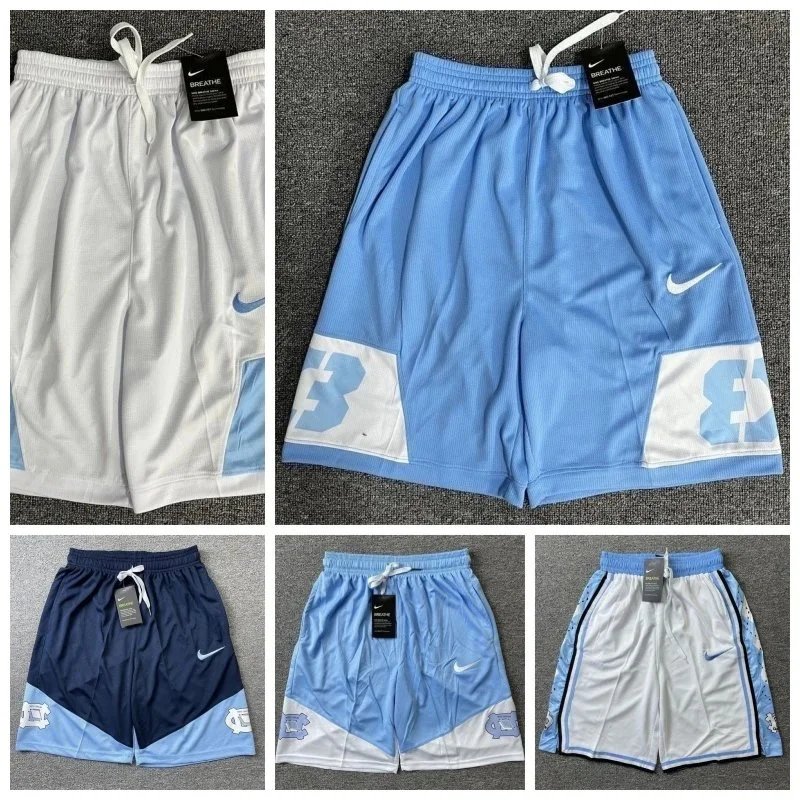
Casual Shorts - JoyaGoo spreadsheet - 136340
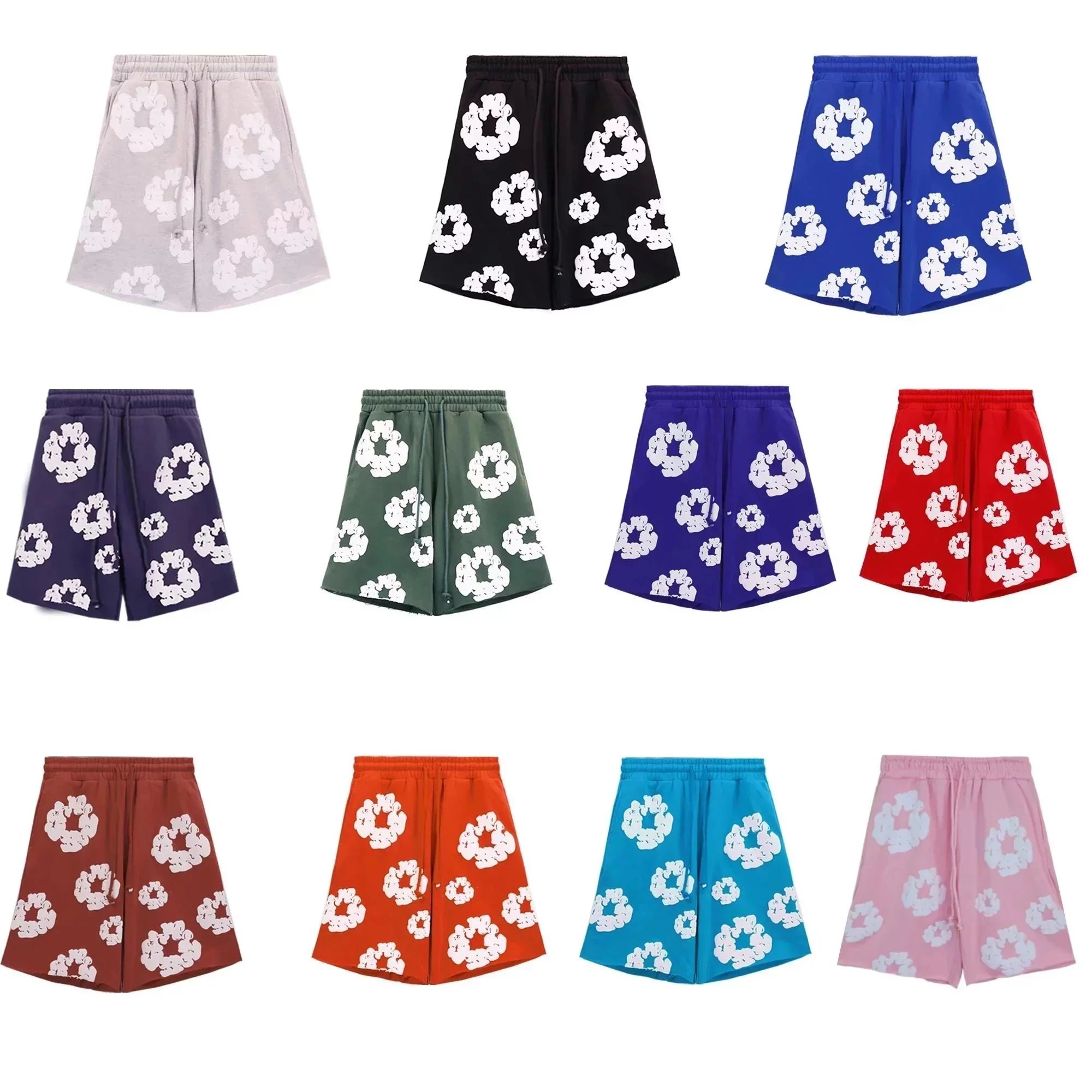
D Shorts D-0135 - Sugargoo spreadsheet - 138019
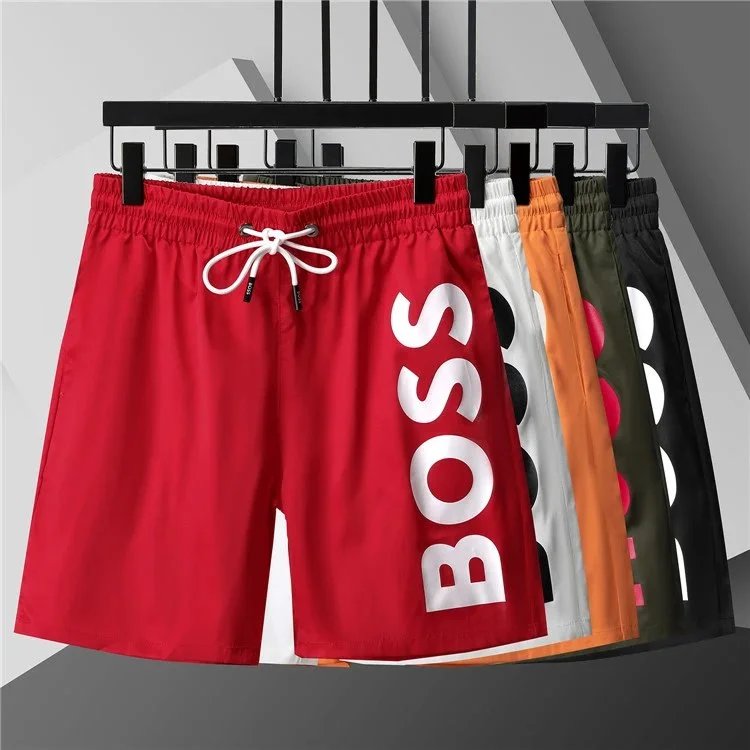
BZ20 2025 Casual Beach Shorts - LoongBuy spreadsheet - 141029
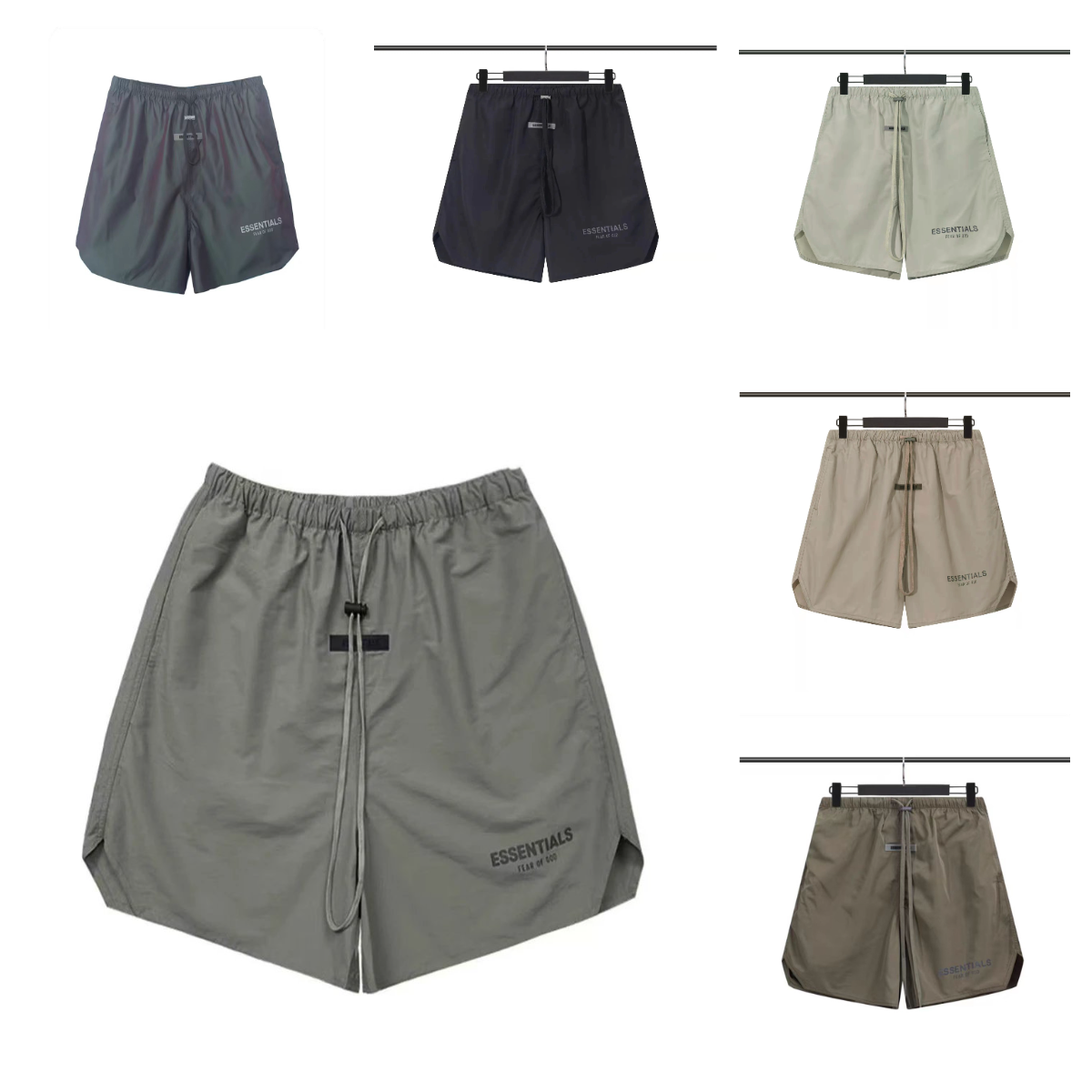
XJXPCS Shorts 24 - LoongBuy spreadsheet - 136339