Cafans Journal
Stories & FindsThe English CAFANS Guide: A Complete JoyaGoo Walkthrough
Introduction to the English CAFANS Guide
If you have been searching for a clear, practical way to organize your online shopping research, this English CAFANS guide is for you. CAFANS — short for Collection, Analysis, Filtering, Annotation, Navigation, and Selection — is a simple framework for turning scattered product information into a confident buying decision. At the center of this workflow sits JoyaGoo, a platform that brings structure to product discovery. Whether you are a first-time user or refining an existing routine, this JoyaGoo guide walks you through each stage with plain English explanations and actionable tips.
Why Use a Structured Framework?
Online shopping is noisy: dozens of tabs, conflicting reviews, flash sales, and endless recommendation feeds. Without a system, you end up with decision fatigue. CAFANS solves this by giving every step a purpose. The JoyaGoo spreadsheet acts as the backbone, while JoyaGoo product links keep your shortlist evidence-based. Together they reduce impulse purchases and help you compare value, shipping, and specifications side by side.
Step 1 — Collection
Start by gathering. Create a single workspace in the JoyaGoo spreadsheet with columns for item name, category, price, seller rating, shipping time, and notes. During collection, do not judge; capture everything relevant. Add JoyaGoo product links so each row has a verifiable source. This prevents duplicate entries and makes later comparison effortless. A practical shopping guide habit is to collect over two or three sessions rather than in one rushed evening.
Step 2 — Analysis
Once your list is populated, switch to analysis mode. Sort by price band, group by category, and flag outliers. The JoyaGoo guide emphasizes reading the specification sheet rather than marketing copy. Compare materials, warranty length, return policy, and compatibility. Note that a slightly higher price often reflects better after-sales support. Use the spreadsheet's formulas to calculate unit price, discount percentage, and total cost including tax and delivery.
Step 3 — Filtering
Filtering is where discipline pays off. Set hard constraints: maximum budget, minimum seller rating, and required features. Delete any row that fails a must-have criterion, even if you love the design. A good shopping guide rule is the "three-strike" test: if an item has three unresolved concerns, remove it. This keeps your shortlist focused and readable.
Step 4 — Annotation
Annotation adds context that numbers miss. Record your reasoning: why you kept an item, what a reviewer complained about, when a discount typically appears. The JoyaGoo spreadsheet supports free-text notes, color coding, and status labels such as "researching," "shortlisted," and "ready to buy." Annotated rows become a personal knowledge base you can reuse for future purchases in the same category.
Step 5 — Navigation
Navigation means moving from research to action without losing your work. Open JoyaGoo product links directly from the spreadsheet, verify current stock and pricing, and confirm the seller is the one you evaluated. The JoyaGoo shopping guide recommends rechecking price history before checkout, because promotional pricing changes frequently. Keep a separate tab for coupon codes and membership benefits so nothing is missed at payment.
Step 6 — Selection
Finally, select. Review the shortlist one last time against your original constraints. Confirm delivery dates, return windows, and payment protection. Once the decision is made, mark the row as completed and archive it. Over time your archive becomes a reusable reference — the most valuable output of the whole process.
Common Mistakes to Avoid
Many users collect too much and analyze too little. Others skip annotation and later forget why an item was removed. Avoid treating the spreadsheet as a wish list; it is a decision tool. Do not rely on a single review, and always verify that JoyaGoo product links still point to the correct variant, size, or color. Finally, resist the urge to buy during the collection phase — the framework exists precisely to slow that impulse down.
Building a Repeatable Routine
Run the CAFANS cycle monthly for household items, and quarterly for larger purchases. Save template sheets for recurring categories such as kitchenware, electronics accessories, home organization, and personal care. Reuse your annotation labels and formulas. The JoyaGoo guide works best when it becomes a habit rather than a one-off project.
Conclusion
The English CAFANS guide is ultimately about clarity. By combining a disciplined framework with the JoyaGoo spreadsheet, verified JoyaGoo product links, and a sensible JoyaGoo shopping guide, you turn chaotic browsing into a transparent, repeatable decision process. Start small, stay consistent, and let your archived research compound into better purchases over time.
Editor's selection
Popular Products
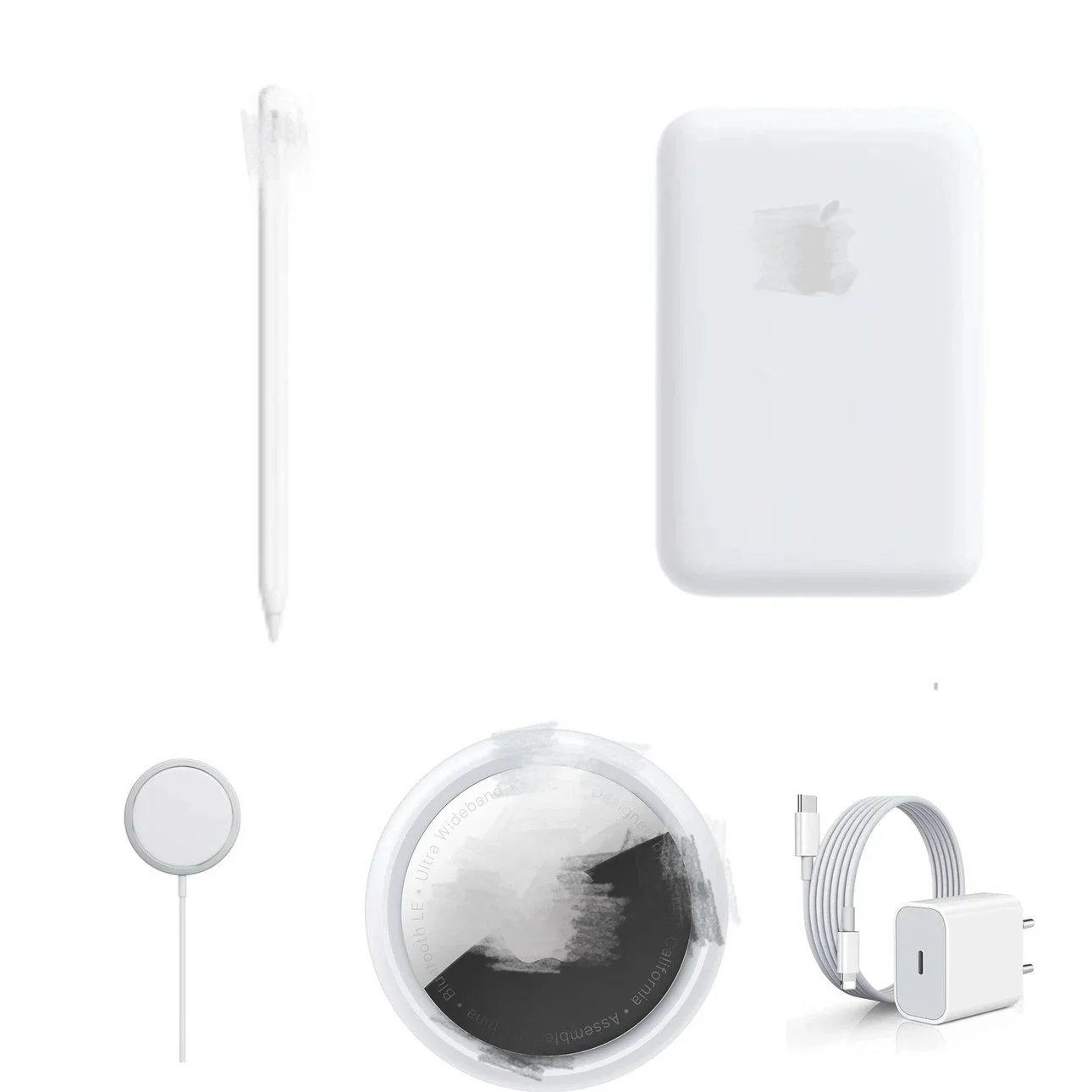
AP Charging and Electronics Accessories Selection - Fishgoo spreadsheet - 149985

Casual T-Shirt 18 - Superbuy spreadsheet - 139430

Men's Embroidered Wide-Leg Relaxed-Fit Denim Pants - CSSBuy spreadsheet - 149448

Summer Streetwear Hip-Hop T-Shirt - Rizzitgo spreadsheet - 139861
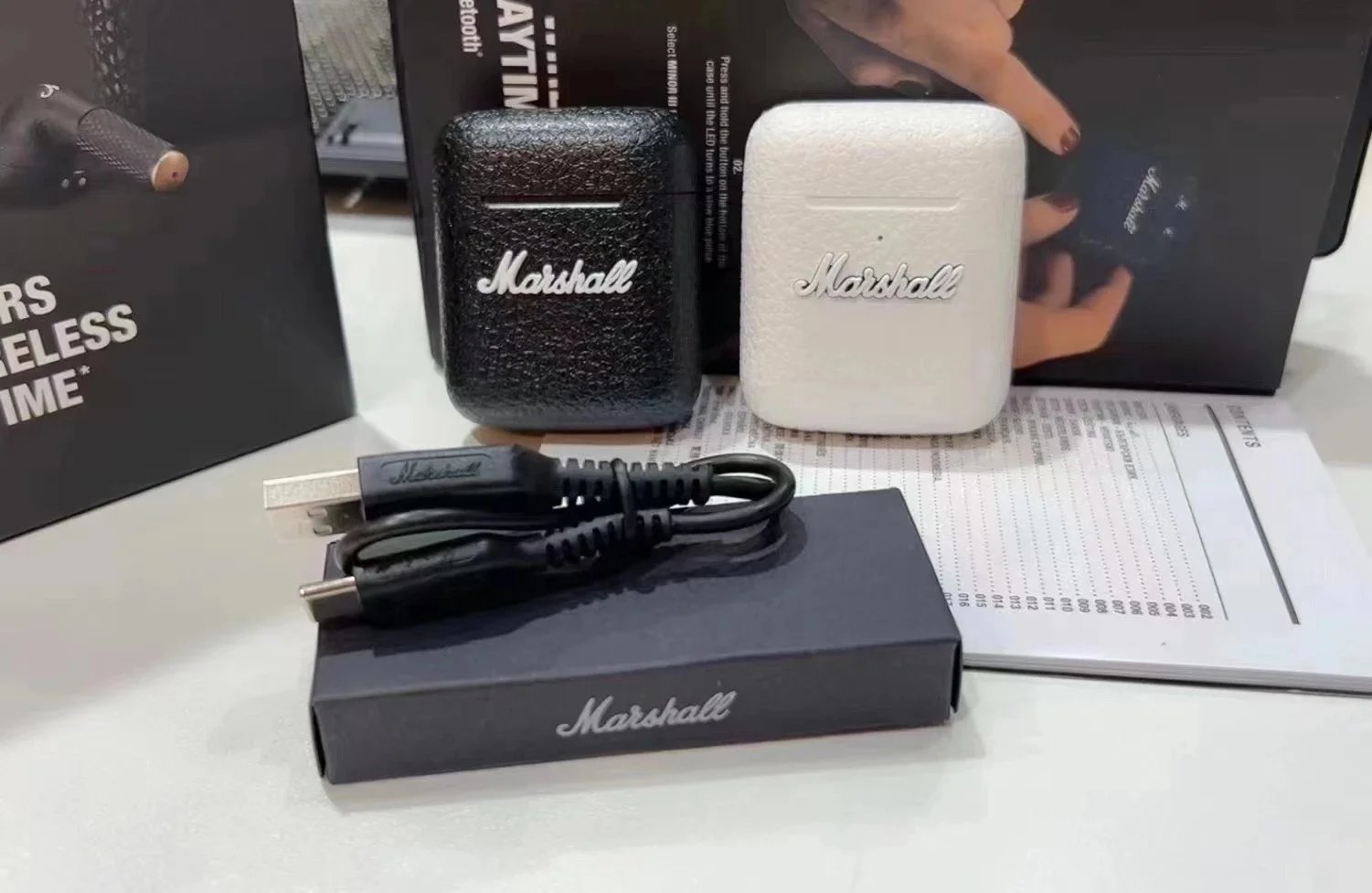
Marshall Mini Portable Speaker - Wheebuy spreadsheet - 142078

Men's Relaxed-Fit Hooded Puffer Jacket - Wheebuy spreadsheet - 147059

Chanel Purple Stone-Detail Logo Drop Earrings - JoyaGoo spreadsheet - 145848
