Cafans Journal
Stories & FindsThe English CAFANS Guide: Navigating iTaoBuy for Smarter Shopping
The English CAFANS Guide: Navigating iTaoBuy for Smarter Shopping
If you have spent any time in online shopping communities, you have probably come across the term CAFANS. Short for a community of buyers who hunt for value, compare listings, and share finds, CAFANS is less a brand and more a culture of careful shopping. In the English-speaking world, the natural home for this culture is iTaoBuy, an agent platform that helps international shoppers buy from Chinese marketplaces. This iTaoBuy guide walks you through the essentials: how the platform works, how to read an iTaoBuy spreadsheet, how to evaluate iTaoBuy product links, and how to build a repeatable routine with a solid iTaoBuy shopping guide mindset.
What Is iTaoBuy?
iTaoBuy is a purchasing agent service. You browse listings on supported Chinese platforms, paste a product link into iTaoBuy, and the agent buys the item on your behalf. The item is shipped to a warehouse, inspected, consolidated with other purchases, and forwarded internationally. The appeal is simple: access to a huge catalog, transparent service fees, and a warehouse process that lets you combine parcels and save on shipping.
For newcomers, the first step is understanding the flow: find a listing, submit the link, pay for the item plus a service fee, wait for warehouse receipt, request quality-check photos, then submit a consolidation and international shipping order. Once you have done it twice, the process feels routine.
Why a Spreadsheet Changes Everything
The most experienced buyers rarely shop link by link. Instead, they maintain an iTaoBuy spreadsheet. A spreadsheet is simply a shared or personal document that lists product links, prices, sizes, colors, seller names, and status notes. Why does it matter? Because agent shopping involves many small decisions, and memory is unreliable.
A good spreadsheet typically includes columns for: item name, direct link, seller or store, unit price in local currency, quantity, size or variant, warehouse status, quality-check notes, and shipping weight. Some buyers add a column for expected retail price elsewhere so they can judge whether a find is genuinely good value. Others color-code rows by category, such as clothing, accessories, home goods, or electronics accessories.
Reading and Building Product Links
iTaoBuy product links are the backbone of the whole workflow. A product link points the agent to the exact listing you want. When you copy a link, double-check that it opens the correct variant page, not a general storefront. Note the selected size, color, and bundle options in your spreadsheet, because the agent buys what the link and your notes specify.
Experienced users also keep backup links. Listings sometimes sell out or change. If your first link dies, a saved alternative from the same seller or a similar listing keeps your order moving. Include the seller name in your notes so the agent can confirm the correct store.
Practical iTaoBuy Shopping Guide
Use this checklist as a lightweight iTaoBuy shopping guide for every order:
- Verify the listing. Check seller ratings, recent reviews with photos, and whether the listing shows real stock.
- Record everything. Add the link, variant, price, and quantity to your spreadsheet immediately.
- Ask for photos. When the item reaches the warehouse, request quality-check images, especially for clothing, shoes, and fragile goods.
- Consolidate wisely. Combine parcels to reduce shipping cost, but keep fragile items separated and remove unnecessary packaging.
- Track deadlines. Warehouse storage is usually free for a limited period; plan your consolidation before fees begin.
Common Product Categories
CAFANS-style shoppers tend to focus on a few reliable categories: apparel such as hoodies, t-shirts, and jackets; footwear including sneakers and casual shoes; bags and backpacks; phone cases and small electronics accessories; home organization items; stationery; and seasonal accessories like hats, scarves, and socks. These categories reward careful comparison because sizing, materials, and seller quality vary widely between listings.
Avoiding Common Mistakes
New buyers often make the same errors. They buy without checking size charts, they forget to note the chosen variant, or they consolidate heavy and fragile items together. Another frequent mistake is ignoring the service fee structure and the volumetric weight of bulky items. A spreadsheet helps prevent all of these: it forces you to slow down, compare, and document before paying.
Building a Repeatable Routine
The real power of the CAFANS approach is consistency. Keep one master iTaoBuy spreadsheet with tabs for wishlist, ordered, warehouse, and shipped. Review it weekly. When you find a new listing, add it to the wishlist tab with a short note on why it caught your eye. When you order, move it to the ordered tab and update the warehouse status as photos arrive. Over time, your spreadsheet becomes a personal archive of sellers, sizes, and prices that makes future decisions faster and safer.
Final Thoughts
iTaoBuy works best for patient, organized shoppers. Treat the platform as a tool, the spreadsheet as your memory, and product links as precise instructions. With a clear workflow, realistic expectations about shipping times, and a habit of requesting quality-check photos, English-speaking CAFANS shoppers can enjoy the catalog with confidence. Start small, document everything, and let your spreadsheet grow into a reliable shopping companion.
Editor's selection
Popular Products

Outdoor Casual Sneakers - Hipobuy spreadsheet - 141223

B22 B30 Unisex Classic Sneakers - UIDBuy spreadsheet - 135717

04 Classic Sneakers - LoongBuy spreadsheet - 135678
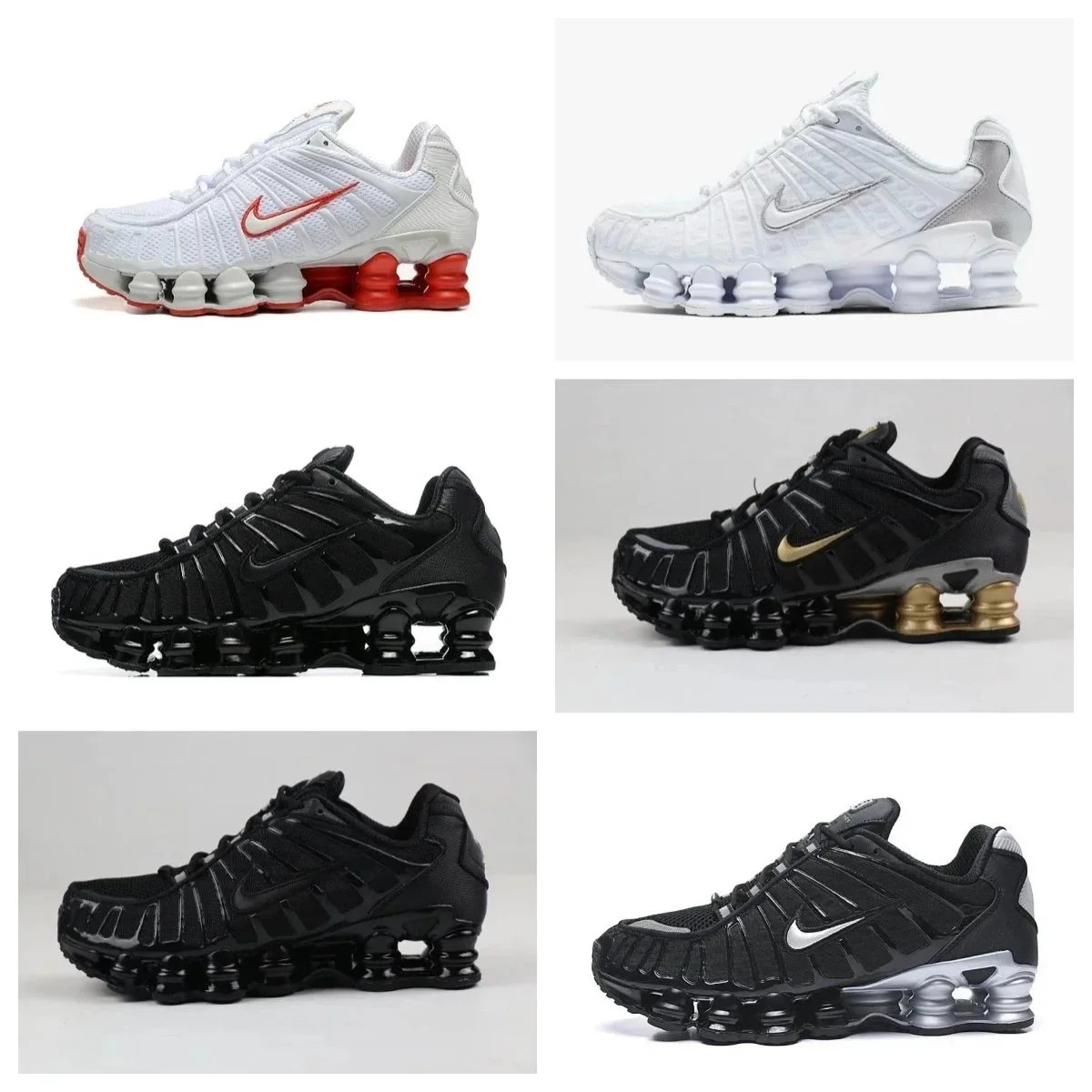
Casual Shoes - Oopbuy spreadsheet - 135681

Platform Casual Shoes - Hubbuycn spreadsheet - 135441

XW21 Casual Shoes - Litbuy spreadsheet - 136147

P-0100 Unisex Sneakers - Kakobuy spreadsheet - 136114