Cafans Journal
Stories & FindsJoyagoo Spreadsheet Guide: The Complete CAFANS Shopping Handbook
What Is the Joyagoo Spreadsheet?
The Joyagoo spreadsheet is a curated, community-maintained catalog that turns the sprawling Joyagoo marketplace into something you can actually navigate. Instead of scrolling endlessly through unreliable listings, shoppers open the spreadsheet to find organized rows of products, prices, seller notes, and quality ratings. Think of it as a joyagoo guide in table form: every tab is a category, every column a data point, and every link a shortcut to a verified item. For anyone serious about smart online shopping, this spreadsheet is the single most useful tool in the Joyagoo ecosystem.
Why the CAFANS Approach Matters
CAFANS stands for Curated, Authenticated, Filtered, Annotated, Navigable, and Shared — the six principles that make this spreadsheet different from a random list of links. Curated means humans selected each item. Authenticated means seller reputations were checked. Filtered means low-quality duplicates were removed. Annotated means each row carries useful notes. Navigable means the sheet is structured with clear tabs. Shared means the community keeps it updated. Together, these principles power a genuine joyagoo shopping guide rather than a chaotic dump of URLs.
How to Read the Spreadsheet
Start with the header row. You will typically see columns for item name, category, estimated price, seller rating, shipping region, size or color variants, and a status flag. The status column is the heart of the joyagoo spreadsheet guide: green means verified and in stock, yellow means verify before ordering, and red means avoid or discontinued. Always sort by seller rating first, then filter by your region to avoid shipping surprises. Bookmark the tabs you use most — Fashion, Electronics, Home, and Accessories are the classic four.
Building a Shopping Plan
A spreadsheet is only as good as the plan behind it. Before you open any joyagoo product links, set a budget and a priority list. Use the sheet's price column to pre-calculate totals, including estimated shipping. Cross-reference at least two sellers per item so you have a fallback. If a row lacks a seller rating, treat it as unverified and move on. The disciplined shopper treats the sheet like a research document, not a wish list, and that habit alone saves both money and time.
Verifying Sellers and Listings
Even a curated sheet needs a second look. Click through each joyagoo product link and check the seller's history, return policy, and recent buyer photos. Look for consistency between the spreadsheet notes and the live listing — if the sheet says “cotton blend” and the page says “polyester,” flag it. Community members usually post corrections in the sheet's comment column, so read those before checkout. Verification is a two-minute habit that prevents most disappointing orders.
Reading Reviews and Ratings
Ratings alone can mislead; read the text. Focus on reviews that mention sizing, material, and durability, and ignore one-line praise. Sort reviews by newest to catch recent quality drops. The spreadsheet often includes a “review digest” column summarizing recurring complaints — use it as a shortcut, but confirm with the source. A good joyagoo guide teaches you to trust patterns, not single opinions.
Spotting Deals and Avoiding Traps
Discounts are everywhere; genuine value is rarer. Compare the sheet's historical price notes against the current listing. A “50% off” tag means little if the base price was inflated last week. Watch for coupon stacking, bundle offers, and seasonal events, but never let urgency override your budget. The spreadsheet's deal column highlights verified markdowns, so prioritize those rows and skip anything marked “price volatile.”
Shipping, Returns, and Customs
Check the shipping region column before falling in love with an item. Long transit times are common, so factor in two to four weeks for many listings. Confirm the return window and who pays return shipping. For cross-border orders, estimate customs duties using the declared value in the sheet. If a seller offers no returns and no tracking, the row should stay yellow at best. Reliable logistics turn a good deal into a good experience.
Keeping the Spreadsheet Useful
The sheet improves when shoppers contribute. Report dead links, corrected prices, and updated seller ratings through the community form. Add short, factual notes rather than opinions. When you find a verified gem, share it in the appropriate tab with a date stamp. This shared maintenance is what keeps a joyagoo shopping guide trustworthy over months and years, and it costs contributors only a minute per update.
Common Mistakes to Avoid
Do not buy from red-flagged rows out of curiosity. Do not ignore size charts because the sheet looks authoritative. Do not assume a high rating guarantees fast shipping. Do not skip the comment column. Do not treat the spreadsheet as permanent — listings change weekly. And do not share outdated links without checking them first. Each mistake is avoidable with a quick verification pass.
Frequently Asked Questions
Is the spreadsheet free? Yes, it is community-run and free to access. How often is it updated? Active tabs refresh weekly; niche tabs may lag. Can I trust every link? Trust green rows, verify yellow ones, and skip red. Does it cover all categories? It covers the most popular ones, with new tabs added by request. What if a link is dead? Report it through the community form so maintainers can replace it.
Final Checklist
Before checkout: confirm seller rating, read the comment column, compare two listings, estimate shipping and duties, check the return policy, and record the price you paid. After delivery: update the sheet with your experience. Follow this checklist and the Joyagoo spreadsheet becomes more than a list — it becomes your personal joyagoo guide, a repeatable system for confident, informed shopping.
Editor's selection
Popular Products
DS Slippers - Wheebuy spreadsheet - 135724
TF25 Digital Electronics - UIDBuy spreadsheet - 141140

Accessories - UIDBuy spreadsheet - 140922
LL55 Digital Electronics - Superbuy spreadsheet - 138885

XB22 Headphones and Electronics Selection - LoongBuy spreadsheet - 136779
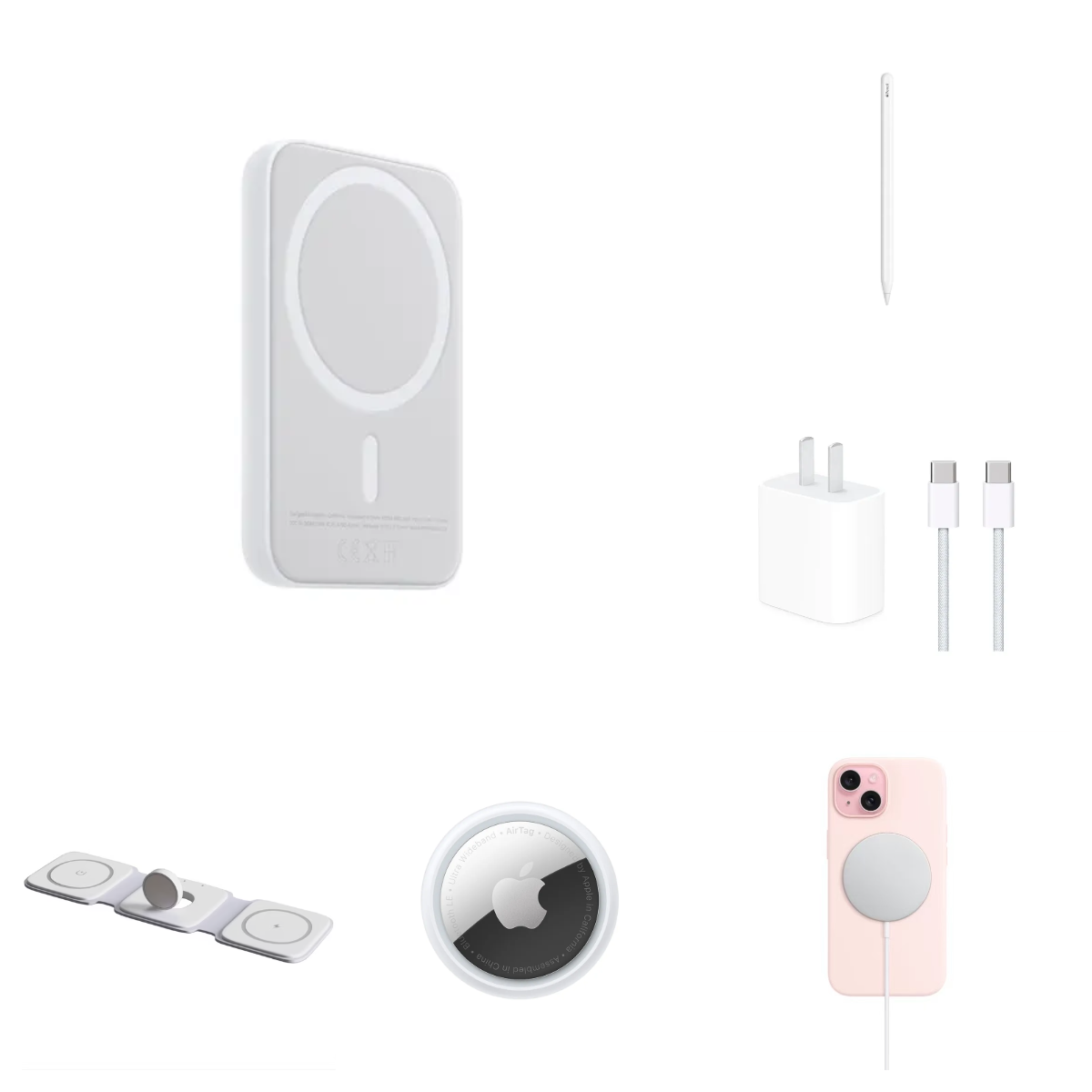
XIAOTEJI Apple-Compatible Chargers and Accessories - Sugargoo spreadsheet - 142697
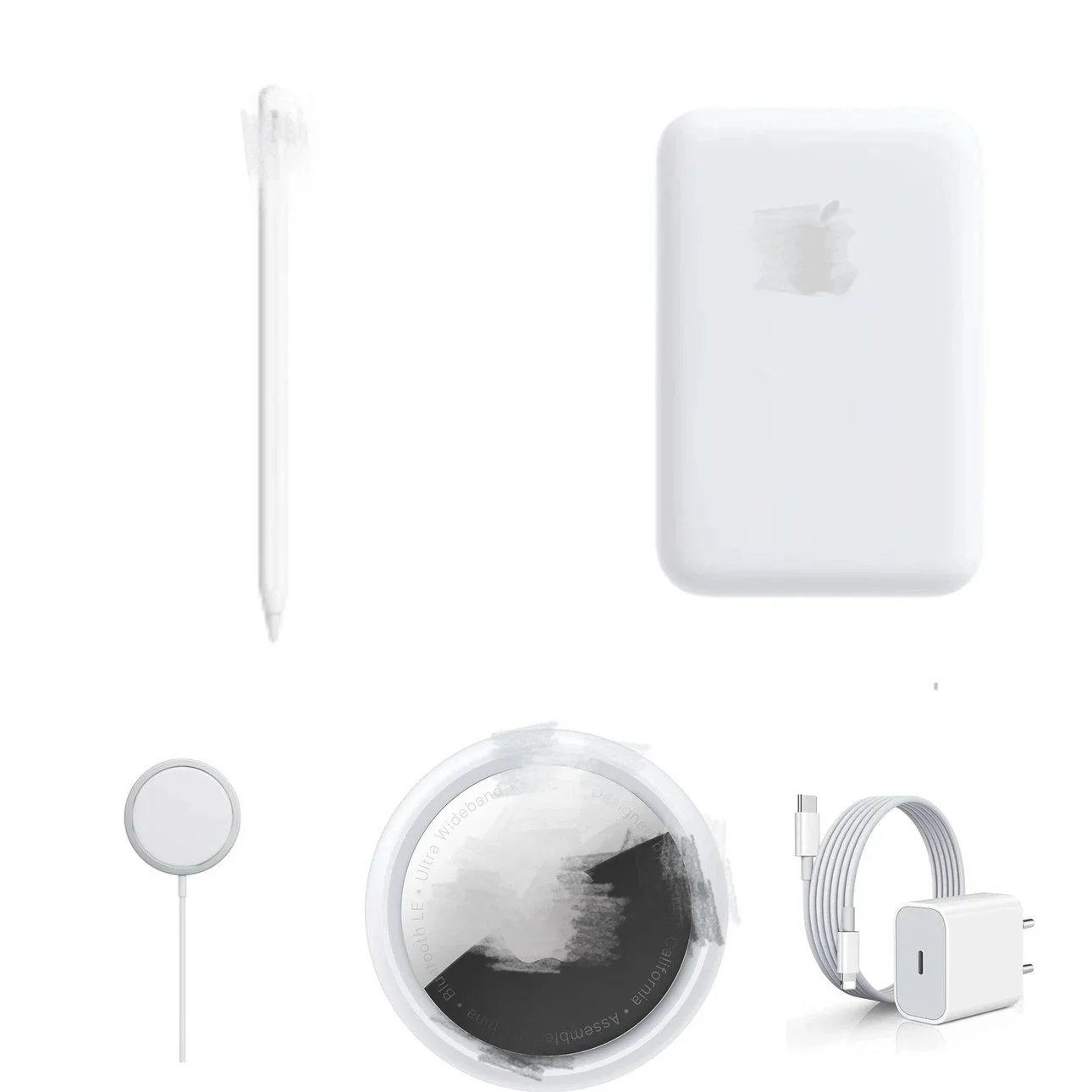
AP Charging and Electronics Accessories Selection - Fishgoo spreadsheet - 149985