Cafans Journal
Stories & FindsCAFANS Shopping Guide: Using the Kakobuyspreadsheet for Smarter Hauls
If you have spent any time browsing agent shopping communities, you have probably seen the term kakobuyspreadsheet floating around. In this CAFANS shopping guide, we break down what a spreadsheet actually does, how to read it, and how to combine it with the wider kakobuy spreadsheet ecosystem so your next haul is organized, affordable, and low-stress. Whether you are a first-time buyer or a seasoned haul builder, the tips below will help you get more from every order.
What Is a Kakobuyspreadsheet?
A kakobuyspreadsheet is a curated document, usually hosted on a shared platform, that lists products with their names, images, prices, sizes, and often direct links. Instead of scrolling endless listings, you open the sheet, filter by category, and copy what you need. Think of it as a community-maintained catalog. The best sheets include columns for weight, batch notes, seller ratings, and QC (quality check) photo references, which makes planning much easier.
The kakobuy spreadsheet concept goes a step further by tying those rows to an agent platform workflow. You find an item, copy the product link, paste it into the agent's search bar, and add it to your cart. Because the sheet already includes kakobuy product links, you skip the guesswork of hunting for the right listing.
Why Use a Spreadsheet Instead of Browsing Manually?
Speed is the obvious benefit, but organization matters more. A good sheet lets you:
- Compare prices across sellers in seconds.
- Track sizes and colorways in one place.
- Estimate shipping weight before checkout.
- Avoid dead links and discontinued items.
- Share finds with friends using a single row reference.
This is why the kakobuy guide community leans heavily on sheets. When hundreds of buyers verify the same rows, the data gets more reliable over time.
How to Read a Sheet Like a Pro
Start with the header row. You will typically see columns such as category, product name, price in CNY, estimated weight, seller, batch version, and link. Learn to scan these quickly. A kakobuy shopping guide should remind you to check the batch column first, because two rows can look identical but represent different production runs with different quality.
Next, look at the notes column. Community members often flag issues like sizing up, color variance, or delayed shipping. These notes are gold. Finally, confirm the link opens the correct listing before adding it to your cart.
Building Your First Haul
Open the kakobuyspreadsheet and pick a theme: streetwear, accessories, home goods, or sneakers. Add five to ten items to a personal shortlist tab. Estimate the combined weight, then compare it against your preferred shipping line's limits. Many beginners overpack and pay more in freight than in products, so keep the first haul modest.
Use the kakobuy spreadsheet filters to sort by price or category. If you are shopping for gifts, a category filter saves time. If you are building an outfit, color tags help you match pieces without opening every link.
Quality Checks and Product Links
Once items arrive at the warehouse, request QC photos. Compare them to the reference images in the sheet. If a row includes a QC gallery, review it before approving shipment. Reliable kakobuy product links usually point to listings with clear size charts and multiple buyer photos, which reduces surprises.
Keep a simple log: order date, item, seller, QC result, and shipping status. This habit turns a one-off purchase into a repeatable process. Over time, your personal notes become a mini kakobuy guide for future hauls.
Shipping and Consolidation Tips
Consolidation is where savvy buyers save money. Group lightweight items together and separate bulky goods. Remove unnecessary packaging when the agent allows it. Check volumetric weight, not just actual weight, because large boxes can inflate costs. A well-maintained sheet often includes an estimated weight column precisely for this reason.
If you are unsure about a shipping line, read recent community reviews. Delivery times vary by season, and the kakobuy shopping guide threads usually report current averages. Plan around holidays and sales events, when warehouses get busy.
Staying Safe and Organized
Only use links from sheets you trust. Verify seller ratings and avoid rows with no history. Keep payment records and screenshots of your cart. When sharing a kakobuyspreadsheet with friends, remind them to double-check sizes, since sheet data can go stale.
Finally, treat the sheet as a starting point, not gospel. Prices change, batches sell out, and new sellers appear. Cross-reference with the broader kakobuy spreadsheet community, ask questions, and contribute corrections when you find them. That reciprocity keeps the ecosystem healthy.
Final Checklist Before You Order
- Confirm the row's link opens the right product.
- Check size charts and batch notes.
- Estimate weight and shipping line limits.
- Save QC references for comparison.
- Log your order details for follow-up.
With these habits, the kakobuyspreadsheet becomes more than a list. It becomes your planning tool, price tracker, and quality checklist. Happy hauling, and may every parcel arrive exactly as expected.
Editor's selection
Popular Products

Outdoor Casual Sneakers - Hipobuy spreadsheet - 141223
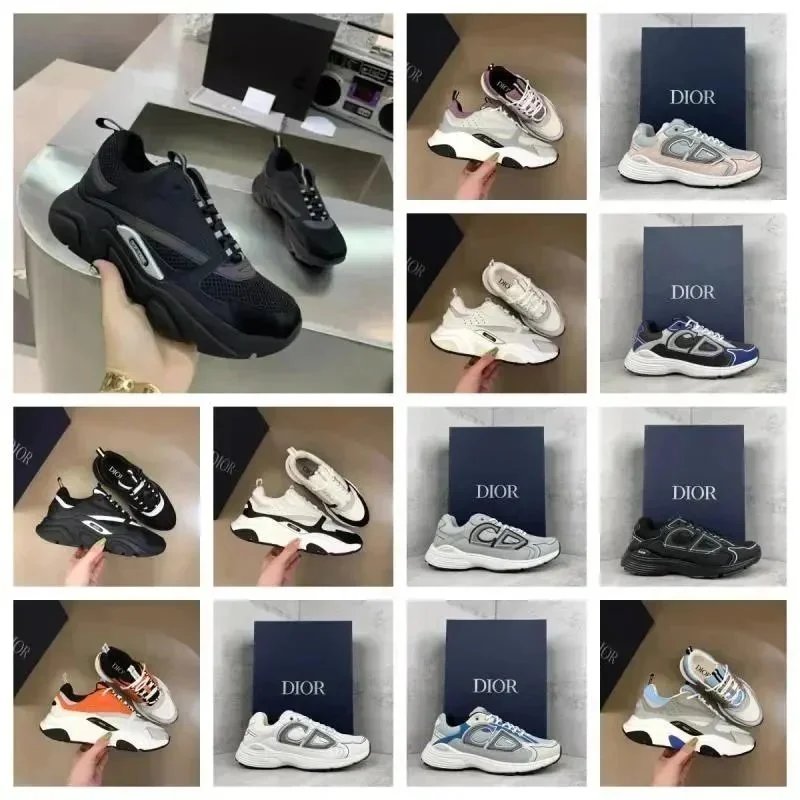
B22 B30 Unisex Classic Sneakers - UIDBuy spreadsheet - 135717

04 Classic Sneakers - LoongBuy spreadsheet - 135678
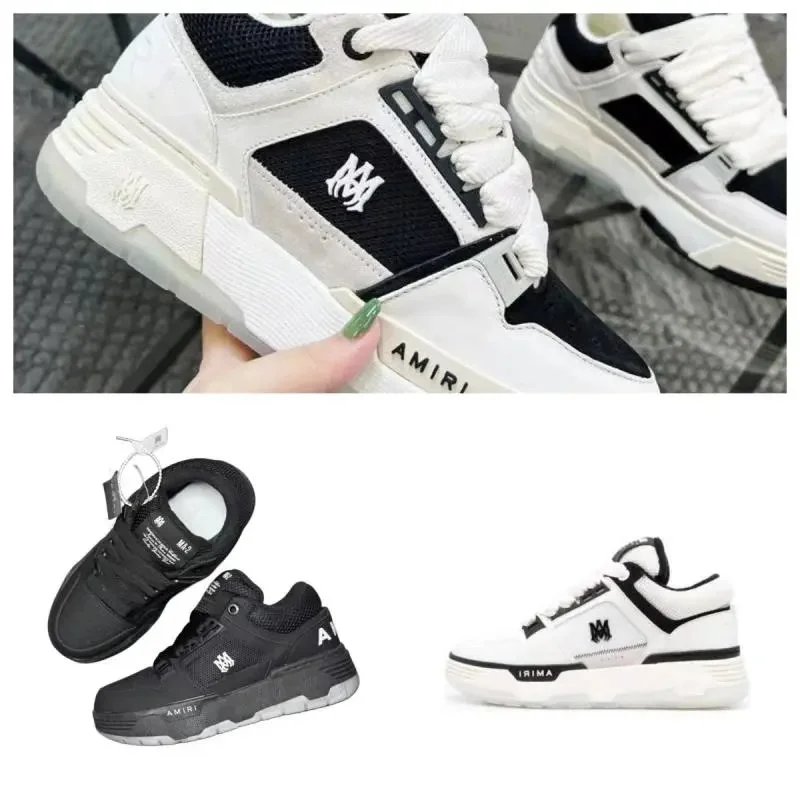
P-0100 Unisex Sneakers - Kakobuy spreadsheet - 136114

2025 Skate Sneakers - MyCNBox spreadsheet - 135965
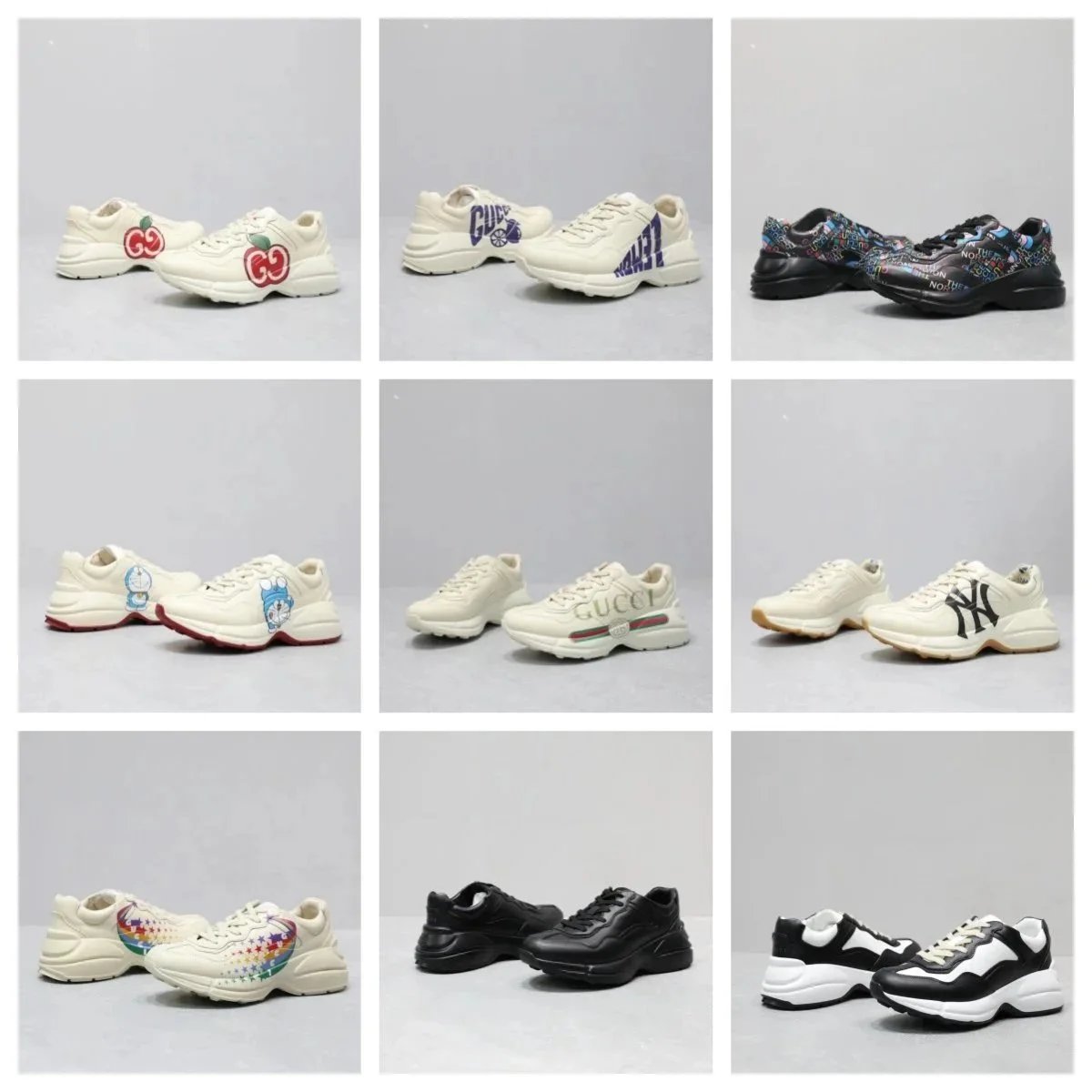
BY03-CY Unisex Chunky Sneakers - Wheebuy spreadsheet - 141219

Ads Ultra Boost 20 Sneakers - Kakobuy spreadsheet - 135679
