Cafans Journal
Stories & FindsGTBuy CAFANS Guide: A Practical 1,000-Word Walkthrough for New Shoppers
GTBuy CAFANS Guide: A Practical Walkthrough for New Shoppers
If you have been searching for a clear, no-nonsense introduction to the GTBuy shopping experience, this CAFANS guide is written for you. The goal here is simple: explain how the platform works, how to read a GTBuy spreadsheet, how to use GTBuy product links responsibly, and how to build a repeatable GTBuy shopping guide routine that keeps your orders organized. Whether you are a first-time buyer or someone comparing agents and marketplaces, the sections below cover the vocabulary, workflow, and practical habits you need.
What GTBuy Is and How It Fits Your Shopping Routine
GTBuy is best understood as a shopping agent and order-handling service for international buyers who want access to products listed on Chinese marketplaces. Instead of navigating multiple seller pages, payment methods, and shipping routes yourself, you submit product links, and the platform handles purchasing, consolidation, quality checks, and international forwarding. The appeal is convenience: one dashboard, one wallet, one parcel flow.
The key to a smooth experience is treating GTBuy as a workflow rather than a single transaction. A typical cycle looks like this: discover a product, verify the listing, submit the link, confirm the variant and size, pay, wait for warehouse intake, request additional photos if needed, then choose a shipping line. Each step has its own details, and each detail is where beginners usually get stuck.
Why the GTBuy Spreadsheet Matters
The GTBuy spreadsheet is the community's shared reference library. It usually contains curated rows of product links, category tags, seller ratings, price ranges, and notes about sizing or quality. Think of it as a crowdsourced catalog: it saves you from starting every search from zero.
Use the spreadsheet in three passes. First, filter by category so you only see relevant rows. Second, check the notes column for warnings such as inconsistent sizing, slow dispatch, or batch differences. Third, verify the link still works before you add it to your cart. Spreadsheets age quickly, so a link that worked last month may now be dead or replaced by a new version.
Treat the spreadsheet as a starting point, not a guarantee. It reflects other buyers' experiences, not a formal quality certification. Cross-check important purchases against the live listing and, when in doubt, ask the seller for real photos through the agent's inquiry feature.
Reading GTBuy Product Links Correctly
GTBuy product links are the backbone of every order. A product link usually points to a marketplace listing, and the listing page contains the details that matter: variant options, size charts, material descriptions, seller ratings, and dispatch timelines. Copy the full link rather than a shortened version, because truncated links can land on the wrong variant or a dead page.
Before submitting a link, confirm four things: the exact color or model option, the size or specification, the current price, and the estimated dispatch window. If the listing has multiple sellers offering the same item, compare their ratings and review counts. A slightly higher price from a reliable seller is often cheaper than a failed order from an unreliable one.
Keep a personal link log. A simple note with the product name, link, variant, price, and order number will save hours when you need to follow up, exchange an item, or reorder the same product later.
A Step-by-Step GTBuy Shopping Guide
- Browse and shortlist. Start with the GTBuy spreadsheet or direct marketplace searches, then shortlist five to ten candidates.
- Verify each listing. Open every GTBuy product link and check variants, size charts, seller score, and reviews with photos.
- Submit and confirm. Paste the link into the order form, select the correct variant, and double-check the price before paying.
- Track warehouse intake. Once the seller ships, monitor the order status until the item reaches the warehouse.
- Request inspection photos. For higher-value items, ask for extra photos of labels, stitching, and packaging.
- Consolidate smartly. Group items to reduce shipping cost, but avoid mixing fragile and heavy goods in the same parcel.
- Choose a shipping line. Compare cost, speed, tracking quality, and customs handling for your destination country.
- Archive everything. Save tracking numbers, receipts, and photos in one folder for future reference.
Common Buying Categories and Practical Tips
Most GTBuy orders fall into a handful of categories: apparel and footwear (hoodies, sneakers, jackets, trousers), bags and accessories, electronics and accessories, home and kitchen items, beauty tools, and hobby or collectible goods. Each category has its own pitfalls. Apparel and footwear demand careful size chart reading; electronics need voltage and plug compatibility checks; home goods require attention to weight and packaging.
For apparel, always measure yourself and compare against the seller's chart in centimeters. For footwear, check whether the listing uses EU, US, or Asian sizing. For electronics, confirm the plug type and whether the item includes a battery, since batteries affect shipping options. For fragile goods, request reinforced packaging during consolidation.
Payment, Shipping, and Cost Control
Budget beyond the item price. International shipping, domestic delivery to the warehouse, service fees, and possible customs duties all affect the final cost. Use the platform's shipping calculator before you commit, and compare at least two lines. Economy lines are cheaper but slower and may have weaker tracking; express lines cost more but reduce risk on time-sensitive orders.
Consolidation is the biggest lever for saving money, but it is not always wise. Heavy items raise volumetric weight, and mixing incompatible goods can complicate inspection. Split parcels when the savings are marginal and the risk is high.
Risk Management and Quality Control
No agent can guarantee seller quality, so build your own checks. Read recent reviews, prefer sellers with consistent ratings, and avoid listings with suspiciously low prices. Request inspection photos before shipping, and keep communication records. If something is wrong, report it early, because return windows close quickly.
Also understand that customs rules vary by country. Declare accurately, keep receipts, and check prohibited items before ordering. A smooth order is usually the result of accurate information, not luck.
Final Thoughts
The CAFANS approach is about clarity: know what you are buying, verify the listing, track the order, and control the shipping cost. The GTBuy spreadsheet speeds up discovery, GTBuy product links anchor each order, and a disciplined GTBuy shopping guide keeps your routine repeatable. Start small, test one order end to end, and expand once you understand the flow.
Editor's selection
Popular Products

Ph076 Breathable Running Shoes - CSSBuy spreadsheet - 136150

Men's Casual Shoes - CSSBuy spreadsheet - 135435

Casual Shoes - Kakobuy spreadsheet - 136046
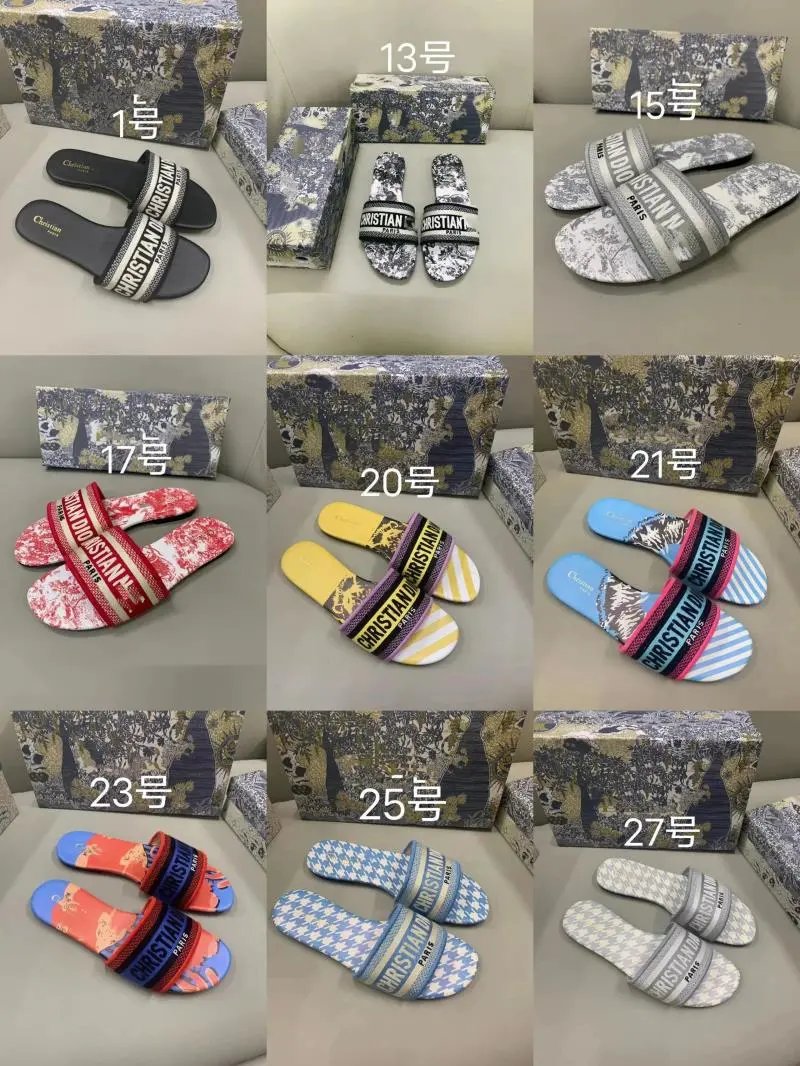
DS Slippers - Wheebuy spreadsheet - 135724

TF25 Digital Electronics - UIDBuy spreadsheet - 141140

FDD Vintage Pattern Crossbody Bag Set with Large and Small Bags - Kakobuy spreadsheet - 137152

Accessories - UIDBuy spreadsheet - 140922
