Cafans Journal
Stories & FindsThe English CAFANS Guide: A Complete Walkthrough to JoyaGoo for Smart Shoppers
What Is CAFANS and Why JoyaGoo Matters
CAFANS is the framework many international shoppers use to organize cross-border buying: Collect, Assess, Filter, Acquire, Navigate, and Save. In practice, this six-step loop keeps a purchase structured from the first idea to the final delivery. JoyaGoo fits neatly into that loop as a product discovery and comparison hub, and this JoyaGoo guide explains how to use it without wasting time or money.
If you have landed here after reading a forum post, a video review, or a friend's recommendation, you already know the basics: JoyaGoo helps you find items, compare options, and track what you like. The goal of this article is to turn that vague familiarity into a repeatable system. Read it once, bookmark it, and you will have a working checklist for every future purchase.
Step 1 — Collect: Build Your Starting List
Start by gathering everything you are considering, without judging any of it yet. Use a JoyaGoo spreadsheet to log item names, links, prices, sizes, colors, and the date you found each one. A simple spreadsheet turns scattered browsing into a manageable list. Add columns for “priority,” “budget cap,” and “notes on quality,” and you will already be ahead of most shoppers.
The JoyaGoo product links you save here act as your reference library. Keep the original link, not just a screenshot, because prices and availability change. When you revisit a link later, you can confirm whether the listing is still active, whether the price moved, and whether reviews have grown. Treat the spreadsheet as a living document rather than a one-time list.
Step 2 — Assess: Judge Value Before You Commit
Assessment is where most buyers go wrong. A low price is not value if the item fails in a month. For each candidate, check the material specification, the measurements, the warranty terms, and the return window. Read the middle range of reviews rather than only the extremes, since the average experience usually hides there.
In the JoyaGoo shopping guide, assessment also means comparing similar listings side by side. Put two or three alternatives in your spreadsheet and note the differences in price, shipping cost, and estimated delivery time. If a cheaper option adds two weeks of waiting and no returns, the apparent saving may disappear. Record a simple verdict for each item: keep, hold, or drop.
Step 3 — Filter: Cut the List Down
Filtering is subtraction, and subtraction saves money. Remove anything that fails your budget cap, anything with unclear specifications, and anything you cannot verify. A good rule is to keep no more than five finalists per category. Fewer options make decisions faster and reduce the temptation to buy duplicates.
Use your JoyaGoo spreadsheet to sort by priority and price. Then apply the “two-week test”: if you would not still want the item in two weeks, it is probably an impulse. Filtering also protects you from seasonal pressure, flash countdowns, and limited-stock messaging that pushes rushed choices.
Step 4 — Acquire: Checkout Without Surprises
Before paying, confirm the total landed cost: item price, shipping, tax, and any service fee. Verify the shipping address and the delivery estimate, and check whether the seller offers tracking. If the listing includes a coupon, apply it before checkout and record the final amount in your spreadsheet so your budget stays accurate.
Keep confirmation emails and order numbers in one folder. If something goes wrong, a clear record speeds up any claim. This is the least glamorous part of the process, but it is where careful shoppers separate themselves from careless ones.
Step 5 — Navigate: Handle Delivery and After-Sales
Track the parcel and note the expected arrival window. Inspect the item within the return period, and test the functions you care about immediately rather than weeks later. If there is a defect, contact the seller with photos, your order number, and a short description. Polite, specific messages get faster results than long complaints.
Update your JoyaGoo spreadsheet after delivery: mark the item as received, note whether the description matched reality, and add a one-line review for yourself. Over time, this record becomes a personal reliability index for categories, sellers, and price ranges.
Step 6 — Save: Learn and Repeat
Saving is not only about discounts; it is about learning. Review your spreadsheet every few months and ask which purchases held up and which did not. Note recurring costs such as shipping or accessories. Set a monthly budget and stick to it. A structured approach consistently beats random browsing, because it turns each purchase into feedback for the next one.
Practical Tips for Using JoyaGoo Well
- Keep one master spreadsheet and one archive, not ten scattered notes.
- Save product links with the date so you can spot price changes.
- Compare at least three options before buying anything non-essential.
- Write down why you rejected an item; it prevents second-guessing.
- Check return windows before removing tags or packaging.
- Batch purchases to reduce shipping costs where possible.
- Use consistent column names so sorting and filtering stay reliable.
- Review your list monthly and delete items you no longer want.
Common Mistakes to Avoid
The most common error is buying from a single listing without comparison. The second is ignoring total cost, including shipping and tax. The third is trusting star ratings alone without reading the text of reviews. The fourth is losing track of order numbers and dates. The fifth is skipping the inspection window and discovering a defect too late. Each of these is easy to fix with the CAFANS loop and a maintained spreadsheet.
Related Terms Worth Knowing
As you build familiarity, you will encounter terms such as product listing, price comparison, seller rating, review authenticity, shipping estimate, delivery tracking, return policy, warranty coverage, coupon code, discount threshold, bundle deal, cart total, checkout process, payment method, order confirmation, parcel inspection, after-sales support, refund request, exchange policy, stock availability, size chart, material specification, product category, wishlist, budget cap, seasonal sale, flash promotion, customer feedback, and purchase history. Understanding these concepts makes every step of the CAFANS loop faster and more accurate.
Final Checklist Before You Buy
Confirm the total cost, verify the return window, read recent reviews, check the size or specification chart, save the link and order number, and record the purchase in your spreadsheet. If any of these is missing, pause. A five-minute check routinely prevents a week of frustration.
JoyaGoo works best when it is part of a disciplined routine rather than a spontaneous habit. Use the JoyaGoo guide as your reference, the JoyaGoo spreadsheet as your memory, the JoyaGoo product links as your evidence, and the JoyaGoo shopping guide as your comparison method. Follow the six CAFANS steps, keep your records tidy, and your purchases will become more predictable, more affordable, and far less stressful.
Editor's selection
Popular Products
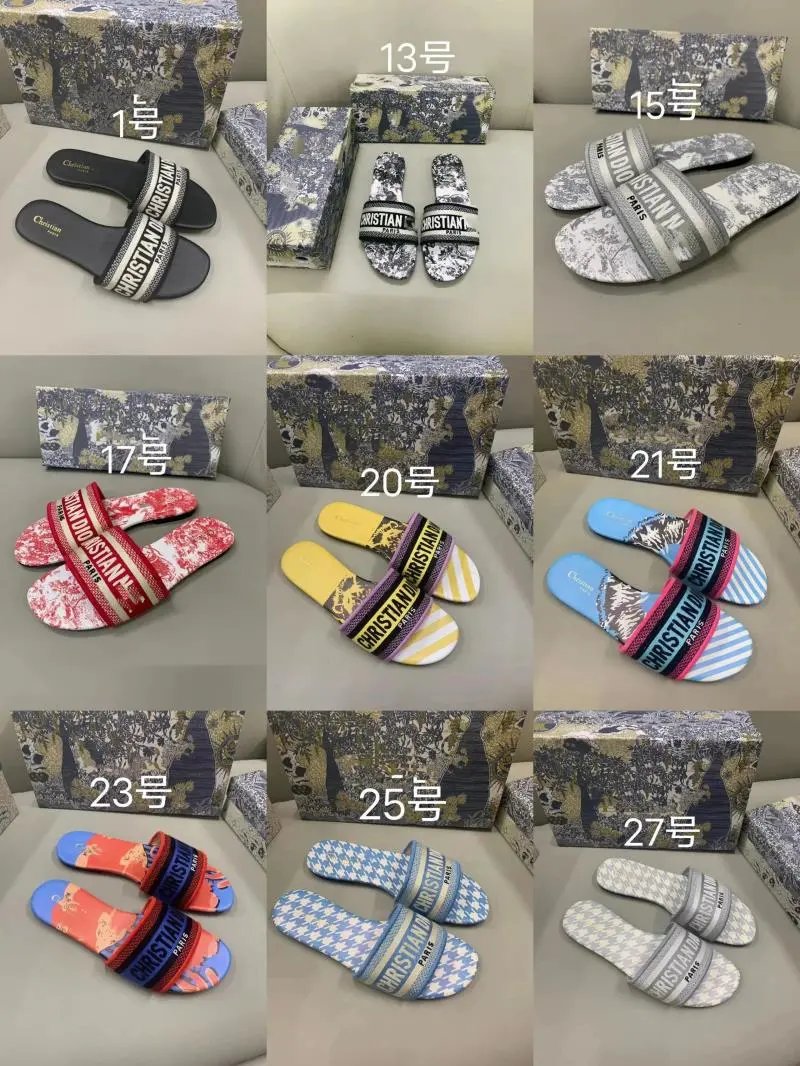
Christian Dior Men's Slippers - Stylish and Comfortable Footwear - 135724

Casual Sweater and Sweatshirt - Clothing Spreadsheet, Apparel Picks, Clothing Picks, Fashion Finds, Apparel Finds - 138254

- - 137230

Men's Warm Jacquard Knit Sweater - Knitwear Spreadsheet, Apparel List, Clothing Picks - 138388

Autumn/Winter Crewneck Sweatshirt 016 - Sweatshirt Spreadsheet, Sweatshirt List, Sweatshirt Finds - 140757
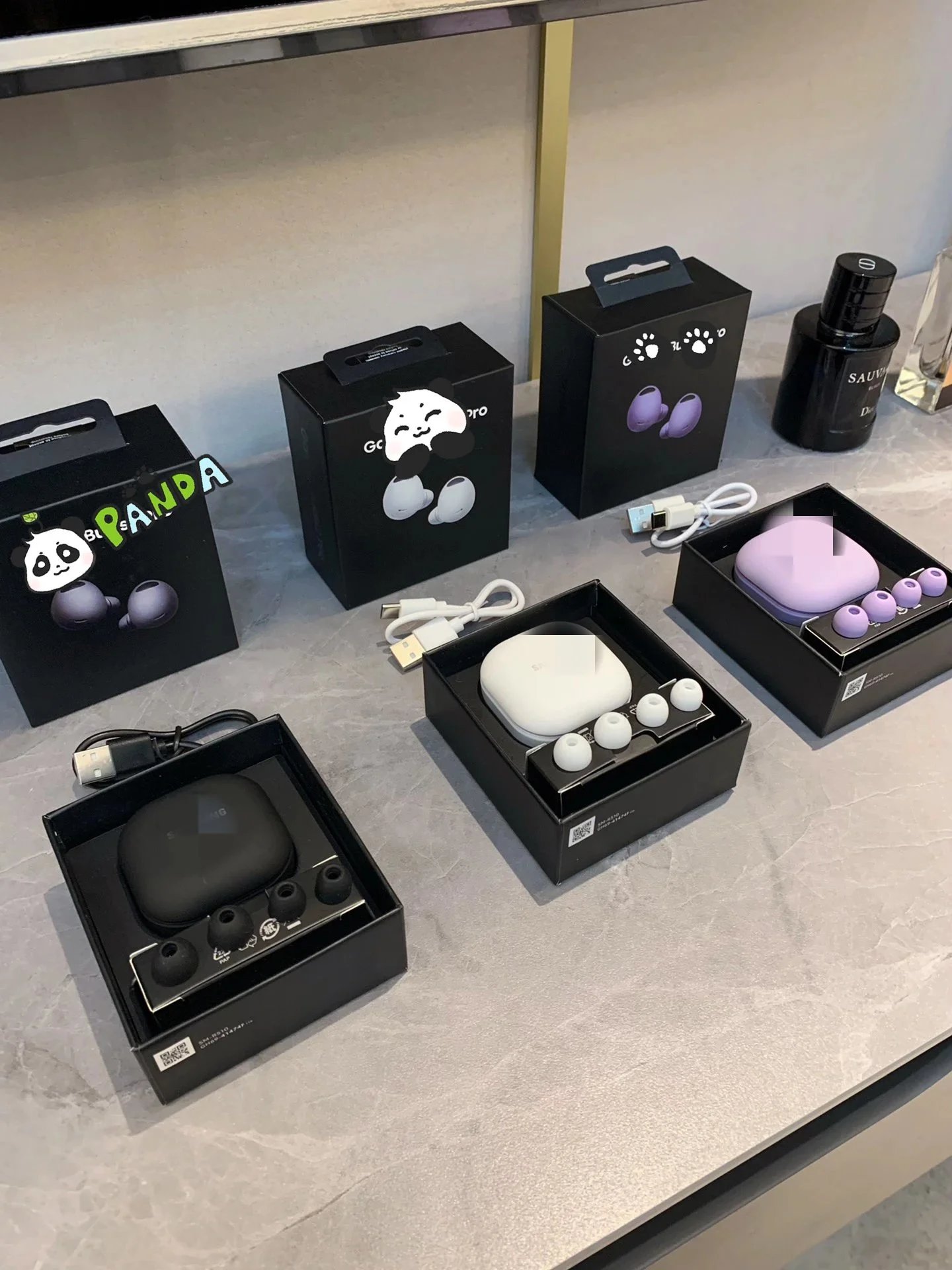
Buds 2 Pro and Buds 3 Pro Wireless Earbuds - Electronics Finds, Earbud Picks, Earbud Finds, Electronics Picks, Earbud Spreadsheet - 141539

LX14 Casual Shoes - Shoe Spreadsheet, Shoe Finds, Footwear List, Shoe List - 135743